
Portable Fire-Escape: Daniel McCree | Patent No. 440,322
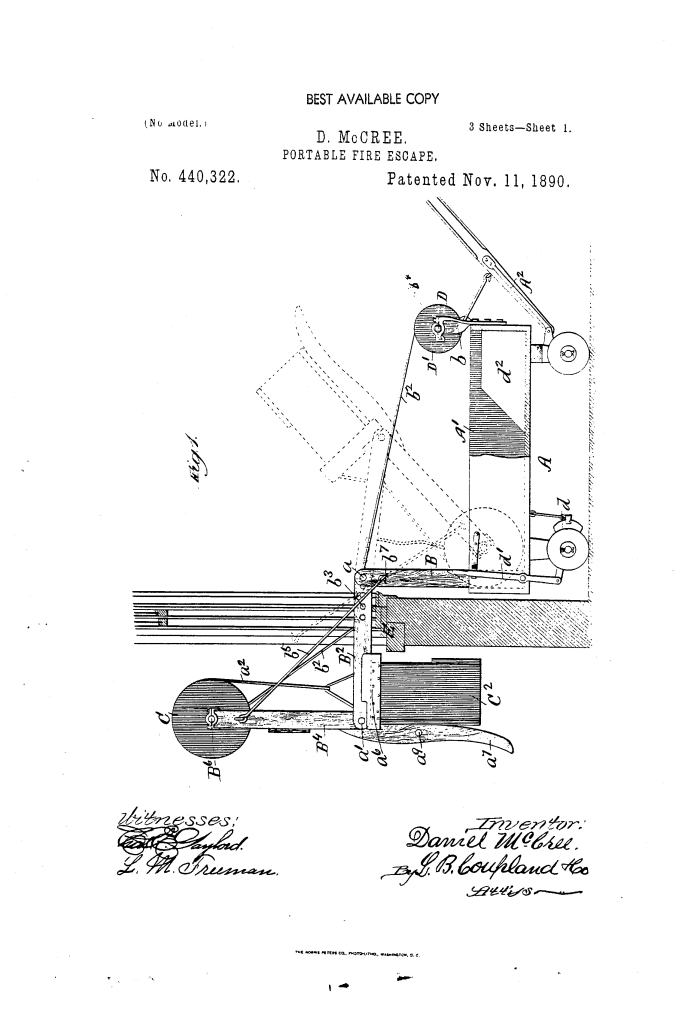
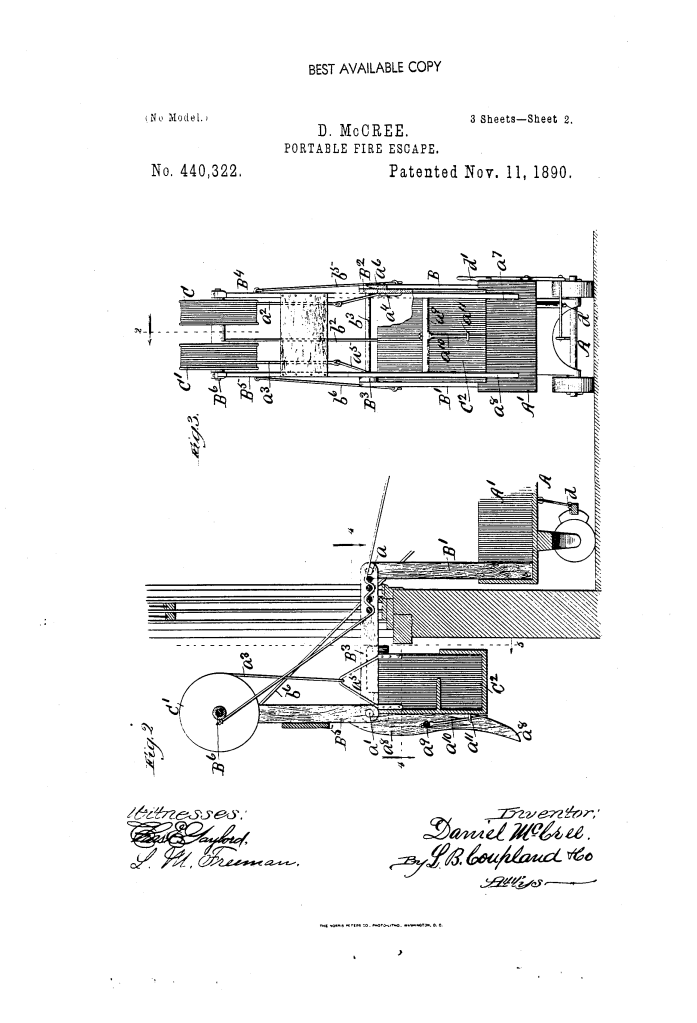
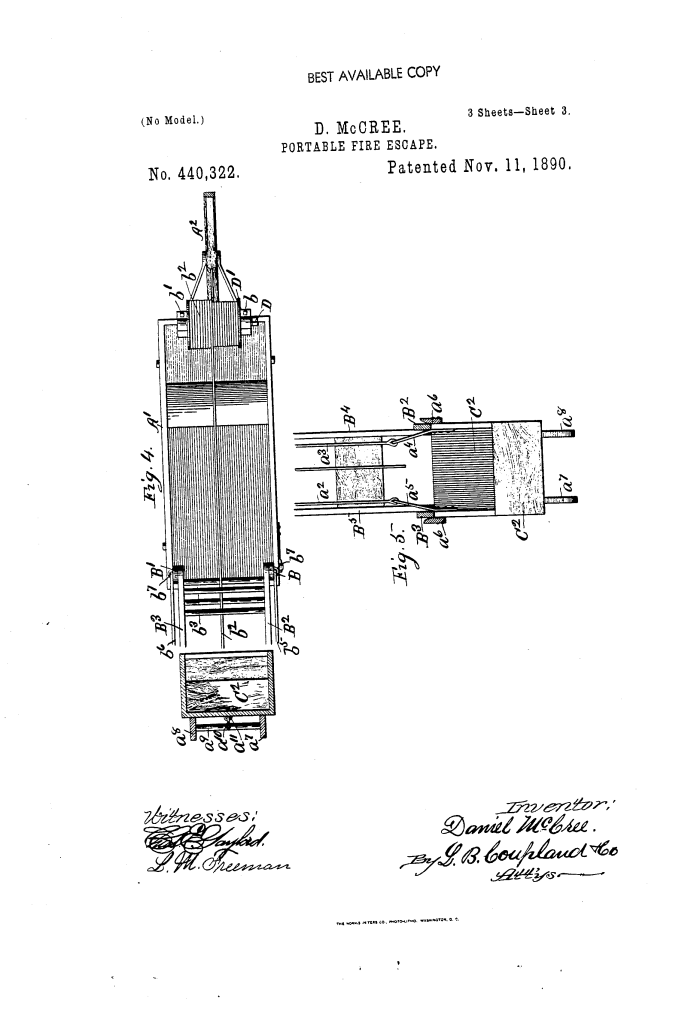
The patent by Daniel McCree of Chicago, Illinois, describes a Portable Fire-Escape (Patent No. 440,322). This invention is a mobile, indoor vehicular device designed to be stationed in building hallways and deployed through windows to safely lower occupants from upper stories during a fire.
The “Why”
In the late 19th century, the rapid vertical growth of American cities outpaced fire safety technology. Stationary exterior fire escapes were often poorly maintained, blocked by ice, or unreachable during a localized interior fire. McCree sought to solve the “fixed-exit trap” by creating a versatile, interior-stored apparatus that could be wheeled to any room or window, providing an immediate, controlled descent for those cut off from primary stairwells.
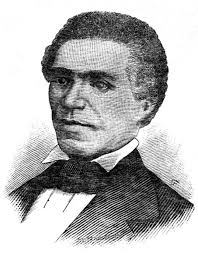
Inventor Section: Daniel McCree
Daniel McCree was a Black inventor living in Chicago during a period of intense industrial expansion and systemic racial barriers. His engineering philosophy centered on mechanical redundancy and stability. During an era where fire safety was often an afterthought in tenement housing, McCree’s design reflected a deep concern for human life and a sophisticated understanding of load distribution and friction physics. To hold a patent in 1890 as a Black man in the wake of the Reconstruction era required not only technical genius but immense perseverance in navigating the U.S. Patent Office.
Key Systems Section
Mobile Carriage & Counter-Balance
- The entire mechanism is mounted on a four-wheeled truck or carriage (A), allowing for rapid deployment across hallway floors.
- To prevent the carriage from tipping when the cage is extended out a window, McCree integrated a counter-weight (Z) at the front end, ensuring the center of gravity remains within the wheelbase.
Articulated Extension Linkage
- The device utilizes folding arms (B) pivoted to vertical standards. This allows the system to remain compact for storage but extend horizontally to clear window sills when in use.
- Cleats (a) and brace-bars lock the cage against the building’s exterior, preventing the “pendulum effect” during passenger loading.
Friction-Based Velocity Control
- Instead of a simple free-spooling winch, McCree routed the primary wire rope (b) through a series of rounds (b) in an alternating “over-under” pattern.
- This creates a multi-point friction brake, allowing an operator to manage the descent speed of a heavy passenger cage with minimal physical exertion.
Comparison Table
| Feature | Standard Methods (1890) | McCree’s Innovation |
| Mobility | Fixed iron ladders or ropes. | Fully portable; moves to the fire’s opposite side. |
| Descent Control | Gravity-fed or manual “rope sliding.” | Mechanical winding drums with friction safety brakes. |
| Stability | High risk of swaying or falling. | Counter-weighted base with brace-bars to steady the cage. |
| Storage | Subject to weather/rusting (Exterior). | Protected interior storage; foldable footprint. |
Significance Section
- Precursor to the Aerial Platform: The concept of a mobile, stabilized base with an extendable arm is the fundamental blueprint for modern fire department “bucket” trucks.
- Early Mechanical Braking: His use of alternating friction points is a primitive yet effective version of modern belay devices used in rescue and climbing.
- Occupational Safety: McCree’s design shifted the burden of safety from the victim (who previously had to climb down) to a controlled mechanical system.
