
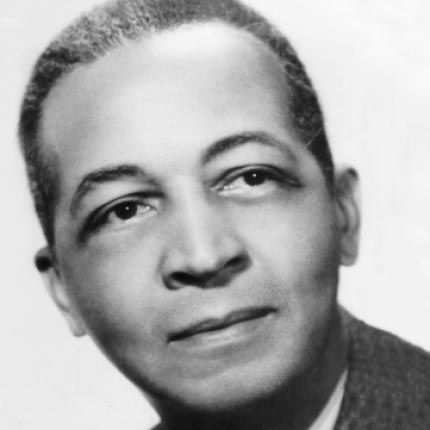
Synergistic Antioxidant Compositions, Lloyd A. Hall (1950)
Patented in January 1950, this invention (U.S. Patent No. 2,493,443) represents a landmark achievement by Lloyd A. Hall in the field of food chemistry. While his previous work focused on protective coatings, this patent addresses the internal stabilization of fats and oils to prevent rancidity.
Rancidity is the chemical decomposition of fats, leading to unpleasant odors and tastes. While chemists knew that propyl gallate (an ester of gallic acid) was a powerful antioxidant, it had a major flaw: it was nearly impossible to dissolve in fat or oil without using toxic or expensive volatile solvents. Hall discovered that by using a phospholipoid (specifically lecithin) as a chemical “bridge,” he could force propyl gallate into a stable, high-concentration solution.
The “Why”
In the mid-20th century, the food industry struggled to keep fatty products like lard, chicken fat, and vegetable oils fresh during storage and transport.
- The Solubility Barrier: Propyl gallate is “oil-phobic” at room temperature. Adding it directly to a vat of lard resulted in undissolved clumps that had to be filtered out, wasting money and leaving the fat unprotected.
- The Solvent Problem: Previous methods used alcohol or ether to dissolve the antioxidant, but these required expensive vacuum evaporation (“deodorization”) to remove the chemical taste.
- The Foam Factor: Using too much lecithin caused fats to foam and froth violently when frying moist foods (like potato chips).
The Solution: Hall found the “Golden Ratio.” He proved that a very small amount of lecithin (as low as 1.25%) could act as a synergistic carrier, making the antioxidant dissolve perfectly into vegetable oils at specific temperatures.
Key Systems Section
1. Synergistic Solubility
Hall’s discovery was “synergistic,” meaning the ingredients worked better together than the sum of their parts.
- The Carrier: He used a vegetable oil containing tocopherols (Vitamin E), such as corn oil.
- The Bridge: Lecithin (a phospholipoid) acts as a wetting agent. Its molecular structure allows it to bond with both the “oil-phobic” propyl gallate and the “oil-philic” fat.
- Progressive Solubility: Hall mapped out exactly how much lecithin was needed at different temperatures to hold a 4% concentration of propyl gallate in solution.
2. The Temperature-Lecithin Gradient
Hall provided a precise engineering table for food processors. He demonstrated that as temperature increases, the amount of lecithin required to maintain solubility decreases significantly.
| Temperature (°F) | Minimum Lecithin Required | Propyl Gallate Solubilized |
| Room Temp | 8.5% | 4.0% |
| 166°F | 7.75% | 4.0% |
| 186°F | 4.60% | 4.0% |
| 206°F | 1.25% | 4.0% |
3. The “Interstices” Effect
Hall noted that lecithin didn’t just dissolve the antioxidant; it improved its performance. Because lecithin is a powerful surfactant, it carries the dissolved propyl gallate into the interstices (tiny cracks and pores) of the food being prepared—such as the inside of a noodle or a potato chip—providing deep-tissue protection against spoilage.
Technical Components: The “Hall Mix”
| Component | Role |
| Propyl Gallate | The primary antioxidant; prevents the “oxygen attack” on fat molecules. |
| Lecithin | The phospholipoid carrier; prevents foaming and enables solubility. |
| Corn Oil | The solvent; provides natural tocopherols that boost the antioxidant effect. |
| Tocopherols | Natural stabilizers found in vegetable oils that work in harmony with the gallate. |
Significance
Lloyd A. Hall’s “Synergistic Antioxidant” transformed the global food supply chain:
- Mass Production: It allowed large-scale manufacturers to stabilize 10,000-pound batches of lard or oil without specialized vacuum equipment.
- Nutritional Preservation: By stabilizing Vitamins A and D, Hall ensured that fortified foods (like margarine) remained nutritious even after months on a shelf.
- The “Chip” Revolution: This patent made the modern snack food industry possible. Without this stable antioxidant, products like potato chips and crackers would turn rancid within days of being fried.
Final Insight: Lloyd A. Hall was a master of Molecular Logistics. He didn’t just find a chemical that worked; he found the “vehicle” (lecithin) and the “fuel” (heat) to deliver that chemical exactly where it was needed. His work remains the foundation of modern food preservation.
