
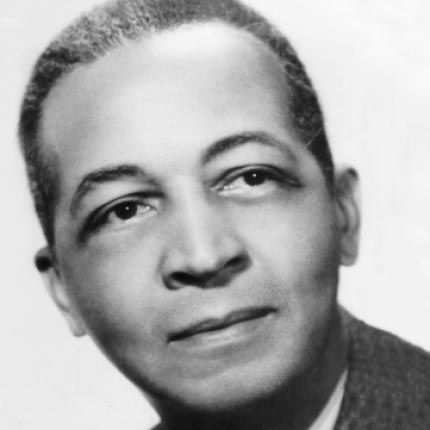
Synergistic Antioxidant, Lloyd A. Hall (1950)
Patented on June 13, 1950, this invention (U.S. Patent No. 2,511,803) by Lloyd A. Hall—a prolific African American chemist and pioneer in food science—revolutionized the preservation of fats and oils.
Before Hall’s work, keeping fatty foods like lard, butter, and vegetable oils from going rancid was a major challenge. Many existing antioxidants were either toxic, altered the food’s flavor, or were too expensive for small-scale manufacturers. Hall discovered that by combining specific organic acids with gallic or ascorbyl esters, he could create a synergistic effect: the combination was significantly more powerful at preventing oxidation than the sum of its parts used alone.
The “Why”
- The Rancidity Problem: Fats and oils react with oxygen to form peroxides, which then break down into smelly aldehydes and ketones. This process is accelerated by heat, light, and moisture.
- The Toxicity Barrier: Many effective industrial antioxidants of the era were unsafe for human consumption.
- The Solubility Issue: Previous solutions required volatile solvents that were difficult to remove, or large amounts of vegetable oil that lowered the melting point of products like lard, making them “mushy.”
The Solution: Hall utilized non-toxic, crystalline powders that could be mixed directly into fats at 150F to 240F without changing the color, taste, or odor of the food.
Key Systems Section
1. The Synergistic Mechanism
The core of the patent is the synergy between two distinct classes of chemicals:
- The Primary Antioxidant: Esters of gallic acid (like Propyl Gallate) or ascorbyl esters (like Ascorbyl Palmitate). These act as “radical scavengers” to stop oxygen from attacking the fat.
- The Synergist: Organic acids such as Citric, Tartaric, Fumaric, or Benzoic acid. On their own, these have little to no antioxidant effect, but when paired with the esters, they “recharge” the primary antioxidant or tie up (chelate) metal trace elements that would otherwise catalyze oxidation.
2. Evaluation via the “Active Oxygen Method” (A.O.M.)
To prove his invention worked, Hall used the Swift Stability Test.
- The Process: Air is bubbled through the fat under standardized heat.
- The Measurement: The amount of peroxides developed per kilogram of fat is measured.
- The Evidence: In Hall’s examples, while plain lard might last only a few hours, lard treated with his synergistic blend showed stability figures vastly superior to lard treated with just one component.
Comparative Effectiveness (Hall’s Lab Results)
| Sample | Antioxidant Composition | Stability (Hours) |
| Control | Plain Lard | Base Value |
| Example 1 | Propyl Gallate only (0.01%) | 20 |
| Example 2 | Benzoic Acid only (0.01%) | 3 |
| Example 3 | Propyl Gallate + Benzoic Acid | 31 |
| Example 8 | Propyl Gallate + Citric Acid | 100 |
Note: Example 8 shows the power of synergy—combining the two materials resulted in a shelf life 5x longer than the ester alone.
Applications in Food Science
Hall’s antioxidant was designed to be a “universal” stabilizer for a massive range of products:
- Animal Fats: Lard, oleo oil, butter, bacon, and sausage.
- Vegetable Products: Peanut butter, mayonnaise, margarine, and coconut fats.
- Nutritional Supplements: Oil-soluble vitamins (A, D, E, K) and fish oils.
- Dehydrated Foods: Milk and egg powders, which are highly susceptible to “off-flavors” from fat oxidation.
Technical Components: The Preferred Esters
Hall specified that for maximum effectiveness, the alkyl esters of gallic acid should have low molecular weights (few carbon atoms).
- Propyl Gallate: His preferred primary antioxidant due to its excellent solubility and high activity.
- Ascorbyl Palmitate: A fat-soluble form of Vitamin C, used when a purely “vitamin-based” ester was desired.
Significance
Lloyd A. Hall’s patent transformed the modern grocery store:
- Shelf-Life Extension: It allowed fatty foods to be shipped across the country and stored for months without spoiling.
- Small Rendering Plants: Because the powder was easy to mix in without complex machinery, small-scale producers could compete with large industrial giants.
- Safety First: Hall was a leader in ensuring food additives were non-toxic, paving the way for the high safety standards in the food industry today.
Final Insight: Hall’s work proved that in chemistry, 1 + 1 can sometimes equal 10. By discovering the “hidden help” that citric acid gave to propyl gallate, he created a gold standard for food preservation that is still fundamentally used in the industry.
