
Sterilizing Foodstuffs: Griffith & Hall (Patent No. 2,107,697)
The patent by Carroll L. Griffith and Lloyd A. Hall of Chicago, Illinois, describes a method for Sterilizing Foodstuffs (Patent No. 2,107,697), granted on February 8, 1938. This invention is a landmark process in food safety, specifically designed to eliminate bacteria, molds, yeasts, and their dormant spores from dry vegetable matter like spices, flours, and dried fruits. By using a coordinated sequence of heat, high vacuum, and undiluted ethylene oxide gas, the inventors created a way to achieve 99% sterilization without damaging the delicate flavors, essential oils, or appearance of the food.
The “Why”
In the 1930s, the food industry faced a massive “pain point”: invisible contamination. While spices were popularly believed to be antiseptic, Griffith and Hall discovered that natural spices like paprika and cloves often contained up to 16,000,000 bacteria per gram. Traditional sterilization using high heat (above 240°F) ruined the color and “bite” of spices, making them unmarketable. Furthermore, dormant spores survived standard drying processes, only to “wake up” and spoil moist foods (like sausages or breads) once incorporated. The inventors sought a “cold” sterilization method that killed the microscopic life while preserving the spice’s soul.
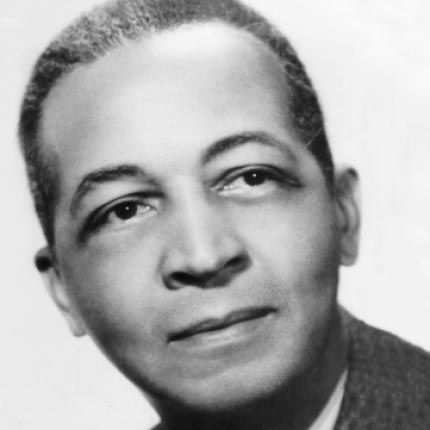
Inventor Section: Lloyd A. Hall & Carroll L. Griffith
Lloyd A. Hall was a pioneering African American food chemist whose work revolutionized the way the world preserves what it eats. His engineering philosophy was grounded in molecular vulnerability. He realized that to kill a dormant spore, one must first “activate” or weaken it. Working with Carroll Griffith at The Griffith Laboratories, Hall moved away from diluting toxic gases with carbon dioxide (which was expensive and inefficient) and instead pioneered the use of pure ethylene oxide in a vacuum, a technique that remains a cornerstone of medical and food sterilization today.
Key Systems Section
1. The Thermal Activation Phase
The foodstuff is placed in an autoclave and heated to between 220°F and 240°F under an 18-inch vacuum for one hour.
- Modern Term: Vacuum Dehydration & Outgassing.
- This step removes moisture and adsorbed gases from the spice’s surface. Crucially, it “wakes up” dormant spores, making them more vulnerable to the toxic gas that follows.
2. High-Vacuum Impregnation
After cooling the material to 150°F, the vacuum is increased to a “high value” (28 inches).
- Modern Term: Deep Vacuum Evacuation.
- By removing virtually all air, the “internal spaces” of the spice—even inside a sealed package—are opened up. This ensures that when the gas is admitted, it doesn’t just sit on the surface but penetrates deep into the bulk material.
3. Undiluted Ethylene Oxide Exposure
Pure ethylene oxide ($C_2H_4O$) is introduced into the vacuum at a concentration of 1 pound per 35 cubic feet.
- Modern Term: Gaseous Alkylation.
- Because the space is evacuated, the gas is “distended” and highly active. It attacks the DNA and proteins of bacteria and molds. The vacuum ensures the gas reaches the “locally concentrated” spores without being blocked by air or CO2.
4. Aeration and Residue Removal
After 2.5 hours of exposure, the vacuum is released, and air is passed through the autoclave.
- Modern Term: Degassing / Forced Aeration.
- This flushes out the excess ethylene oxide. The inventors proved that because of the high-vacuum preparation, no gas is left behind in the product, leaving the taste and odor completely unaltered.
Comparison Table: Sterilization Efficacy
| Product | Bacteria Before (per gram) | Bacteria After (per gram) | Efficiency |
| Ground Cassia | 2,000,000 | 17,000 | 99.15% |
| Ground Cloves | 3,400,000 | 27,000 | 99.20% |
| Ground Allspice | 670,000 | 4,000 | 99.40% |
| Whole Black Pepper | 3,800,000 | 38,000 | 99.00% |
Significance Section
- Global Standard: The Griffith-Hall process for ethylene oxide (EtO) sterilization became a global standard not just for spices, but eventually for sterilizing heat-sensitive medical equipment.
- Preservation of Quality: This was the first process to successfully sterilize “chromogens” (color molecules) and “essential oils” without oxidation or dissipation.
- Safety Breakthrough: By performing the process in a vacuum, the inventors mitigated the explosion risk of ethylene oxide, which is highly combustible when mixed with air.
- Economic Value: It allowed food manufacturers to use natural spices in mass-produced canned and moist foods without the risk of “spoilage outbreaks,” effectively extending the shelf life of processed foods worldwide.
