
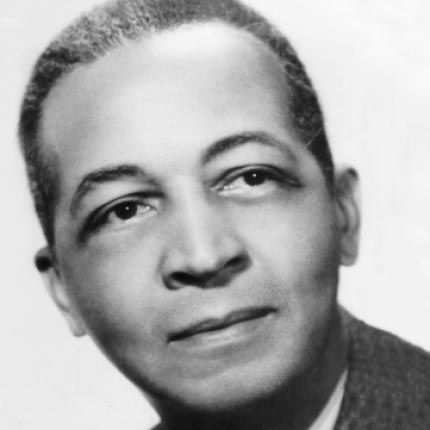
Sterilizing Colloid Materials, Carroll L. Griffith & Lloyd A. Hall, Patent No. 2,189,949
The patent by Carroll L. Griffith and Lloyd A. Hall of Chicago, Illinois, describes a process for Sterilizing Colloid Materials (Patent No. 2,189,949), filed in 1939 and granted in 1940. This invention is a breakthrough chemical engineering process that uses ethylene oxide gas to eliminate bacteria, molds, and yeasts from dry industrial colloids—such as gelatin, agar-agar, and various gums—without destroying their essential physical properties like gelling strength and viscosity.
The “Why”
In the 1930s, natural gums and gelatins used in food, medicine, and cosmetics were frequently contaminated with “latent” micro-organic life. When these dry materials were hydrated (added to water), the bacteria would “wake up,” causing rapid spoilage or infection. The pain point was that standard sterilization—usually high heat or steam—would “cook” the colloids, destroying their ability to thicken or gel. Griffith and Hall sought a “cold” sterilization method that killed the germs but left the chemistry of the material intact.
Inventor Section: Engineering Philosophy
Lloyd A. Hall was a pioneer in food chemistry and one of the most prolific Black inventors of the 20th century, holding over 100 patents. His engineering philosophy focused on molecular preservation. He understood that food safety was a matter of precision: applying enough force to kill a microbe without applying so much that the long-chain polymers of a gum or starch would degrade. Working at Griffith Laboratories, Hall’s work was instrumental in moving the food industry away from hazardous preservatives like formaldehyde toward scientifically controlled gaseous sterilization.
Key Systems Section
1. The “Activation” Vacuum Phase
Before the sterilizing gas is introduced, the material undergoes a rigorous “pre-treatment” to prepare the microbes for destruction.
- Mechanical Principle: The material is heated to 110°F to 115°F while under a high vacuum of 27 to 28 inches of mercury.
- Function: This pulls out “adsorbed gases” and “bound water” from the pores of the powder. This “shocks” the latent bacteria, making their cell membranes more permeable to the coming gas.
2. Undiluted Ethylene Oxide Injection
Once the air and moisture are removed, the chamber is flooded with pure ethylene oxide (C_2H_4O).
- Chemical Action: Ethylene oxide is an alkylating agent. It penetrates the dry particles of the colloid and disrupts the DNA and proteins of micro-organisms.
- Modern Term: This is known as Gaseous Autoclaving, a process still used today to sterilize heat-sensitive medical equipment like plastic syringes and heart valves.
3. Time-Temperature “Degradation” Control
The inventors discovered a strict mathematical limit to ensure the colloid remains useful.
- The Formula: The sterilization must not exceed 2.5 hours at 115°F or 3 hours at 110°F.
- Engineering Insight: If these limits are exceeded, gums lose their “viscosity” (thickness) and gelatins lose their “gelling power.” The process is a delicate balance of the Arrhenius Equation, where heat hastens the kill rate of bacteria but also hastens the breakdown of the colloid’s molecular structure.
4. Post-Infestation Sterilization
The patent specifically addresses “insect life” (like grain beetles) found in flours and meals.
- The Discovery: Hall and Griffith proved that even if an insect is killed by fumigation, its dead body remains a “bacterial bomb” containing millions of microbes. Their process ensures that both the insect and the bacteria within its macerated remains are rendered sterile.
Comparison Table: Standard Heat vs. The Hall-Griffith Process
| Feature | Steam/Heat Sterilization | The Hall-Griffith Gas Process |
| Agent | High-pressure moist heat. | Ethylene Oxide Gas (Undiluted). |
| Physical Effect | Degrades gelling and viscosity. | Preserves colloid characteristics. |
| Penetration | Limited in dry powders. | Deep penetration into porous dry solids. |
| Target | Active bacteria. | Latent bacteria, molds, and insect-borne microbes. |
| Modern Legacy | Standard for canned goods. | Standard for medical & spice sterilization. |
Significance
This patent is a cornerstone of modern Food Science and Pharmacology:
- Safety Foundations: It enabled the mass production of safe, shelf-stable cosmetics and processed foods that rely on thickeners (like ice cream and salad dressings).
- Medical Sterilization: Lloyd A. Hall’s techniques for using ethylene oxide paved the way for the sterile packaging of medical supplies that cannot be boiled.
- Industrial Standards: The “vacuum-gas-vacuum” cycle described here is the fundamental blueprint for industrial “Vault Sterilizers” used by global spice and herb suppliers today.
