
Refrigerator – Patent No. 455,891
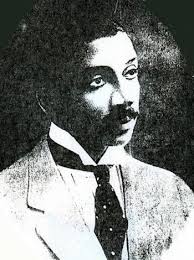
Inventor: John Stanard, of Newark, New Jersey.
Patent Number: 455,891
Date of Patent: July 14, 1891
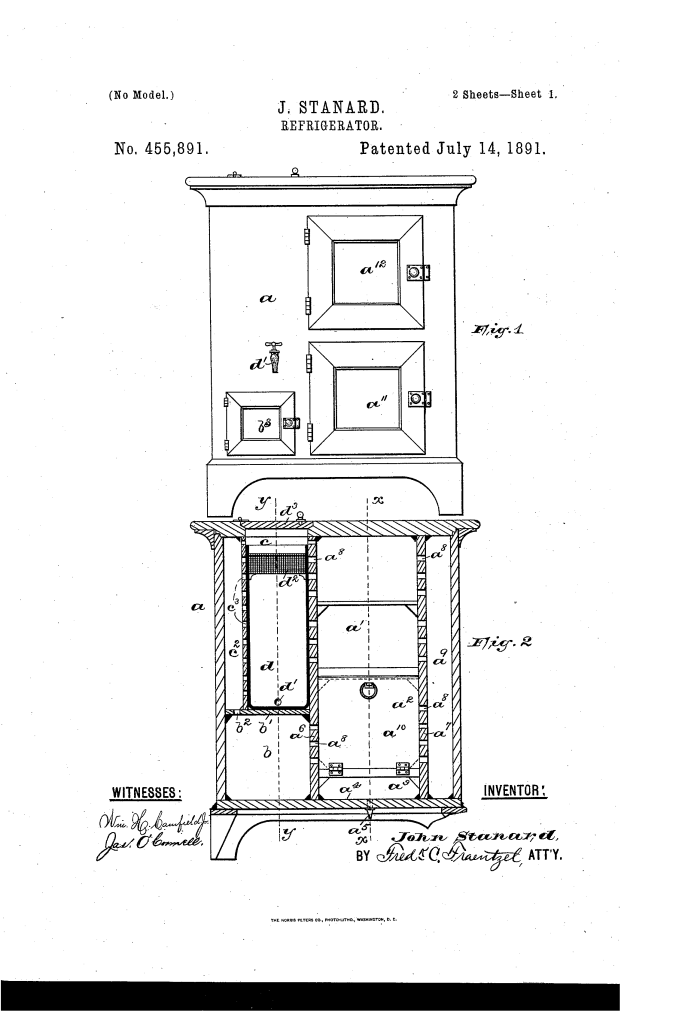
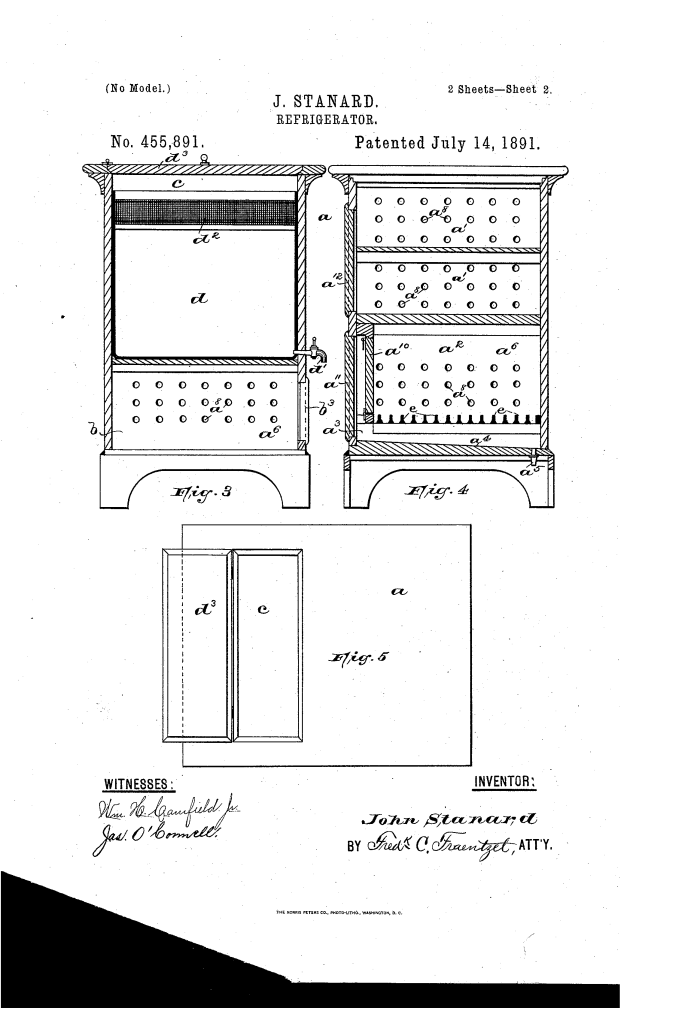
Description: John Stanard’s patent for a “Refrigerator” was an innovative design that improved upon existing icebox technology. The invention featured a single main body divided into multiple, strategically placed compartments:
- Ice Chamber: The central ice chamber was placed below a separate food compartment. A unique ice grate was placed at the bottom of the ice chamber. The grate’s bars were wider at the bottom than the top, a clever design intended to catch large pieces of falling ice, preventing them from breaking glass bottles in the compartment below.
- Cold-Air Ducts: A system of perforated partitions and cold-air ducts allowed air to circulate from the ice chamber to other food and bottle compartments, ensuring everything was kept cool.
- Water Cooler and Filter: A separate chamber contained an earthenware water receptacle with a faucet and a filter cradle, allowing for cool, filtered drinking water to be dispensed from the refrigerator.
- Separate Doors: The design included a separate door for the bottle compartment below the ice chamber. This allowed a user to retrieve a bottle without opening the main ice chamber, which would cause cold air to escape.
Societal Impact
Stanard’s patent contributed to the widespread adoption of refrigerated storage in American homes, which had a profound impact on food safety, domestic life, and commerce.
- Improved Food Safety and Preservation: Refrigerators allowed for the safe storage of perishable food, which was a major factor in preventing food spoilage and illness. Stanard’s design made this process more efficient by maintaining a steady flow of cold air throughout the various compartments.
- Domestic Convenience: The combination of an icebox, a water cooler, and a filter in a single unit made it a highly convenient appliance. It simplified a household’s food and beverage storage needs and reduced the physical labor of fetching cold water and placing bottles on ice.
- The Inventor’s Legacy: The provided information does not contain details about John Stanard’s life beyond his patent. However, his work stands as an example of the practical ingenuity that drove the development of modern home appliances. This type of incremental innovation, while not always celebrated in history, collectively transformed daily life and laid the groundwork for the modern, high-tech refrigerators we use today.
