
Protein Composition of Matter, Lloyd A. Hall, Patent No. 2,251,485
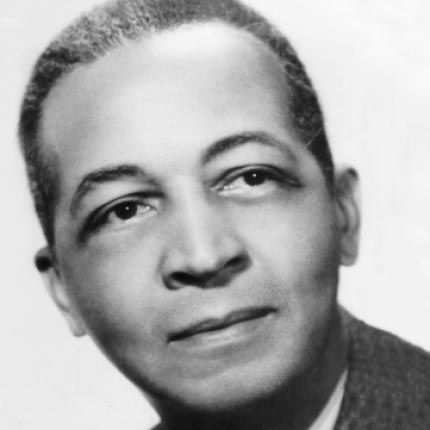
The patent by Lloyd A. Hall of Chicago, Illinois, assignor to The Griffith Laboratories, Inc., describes a unique Protein Composition of Matter (Patent No. 2,251,485), filed in 1939 and granted in 1941. This invention details the creation of a “new molecular species”—a chemical complex formed by fusing milk proteins (casein and lactalbumin) with blood proteins (hemoglobin). By precisely controlling the acidity (pH) and drying the mixture, Hall created a stable, palatable, and highly nutritious powder that served as both a potent medicine for anemia and a revolutionary functional ingredient for the meat industry.
The “Why”
In the 1930s, treating anemia required patients to consume raw or defibrinated blood, which was notoriously unstable, prone to infection, and had a repulsive taste and odor. On the industrial side, sausage makers were using cereals and starches as “binders” to hold moisture in meat, but these diluted the protein content and often failed during the smoking process. The pain point was a lack of a stable, high-protein vehicle that was both medically effective and industrially functional. Hall sought to “tame” the iron-rich power of blood by shielding it within a milk-protein complex.
Inventor Section: Engineering Philosophy
Lloyd A. Hall was a pioneer in Molecular Food Chemistry. His philosophy for this patent was based on Amphoteric Complexing. Proteins are amphoteric, meaning they can act as both acids and bases depending on their environment. Hall realized that if he adjusted the pH of milk and blood to a specific “sweet spot” (around pH 5.7), their molecular chains would essentially “unlock” and reach out to bind with each other. This wasn’t just a physical mixture; it was a chemical transformation that created a larger, more stable molecule that looked and tasted like malted milk rather than blood.
Key Systems Section
1. The pH-Controlled Synthesis
The core of the invention is the precise adjustment of the hydrogen-ion concentration (pH) before mixing.
- The “Safe Range”: Hall identified a critical window between pH 5.4 and 6.0.
- The “Sweet Spot”: He found that a range of 5.70 to 5.75 produced the most complete chemical combination.
- Chemical Logic: If the pH is too low (below 4.3), the milk casein precipitates (curdles). If it’s too high, the proteins won’t complex. By matching the pH of the blood and milk exactly using organic acids (citric, tartaric, or lactic), he ensured a smooth, colloidal union.
2. X-Ray Diffraction Verification
Hall used cutting-edge physics to prove his invention was a new substance, not just a mixture of old ones.
- The Evidence: Under X-ray diffraction, the new complex showed a distinct “inner ring” (1 cm in diameter) corresponding to a molecular spacing of 15.4 Å (Angstrom units).
- The Proof: This ring is completely absent in pure blood or pure milk. Its presence confirmed that a new, larger protein molecule had been synthesized.
3. Moisture-Imbibition (The Sausage Binder)
In the meat industry, this composition proved to be a superior “absorbent binder.”
- Mechanical Principle: Unlike starch, which swells and then collapses when heated, this animal-protein complex creates a stable matrix that holds water tightly.
- Nitrite Reaction: The complex reacts with nitrous acid (from meat curing salts) to turn a bright red. This allows it to blend perfectly with the color of the meat, acting as a “meat extender” that actually improves the nutritional profile rather than diluting it.
4. The “Malted” Medicinal Form
For treating anemia, Hall turned a bio-hazardous material (raw blood) into a stable consumer product.
- Transformation: The resulting powder (Example 1) looks like malted milk and is stable for over a year.
- Assimilable Iron: Because the iron is bound in a protein-hemoglobin complex, it is much easier for the human body to absorb than inorganic iron supplements, making it a “selected source of building blocks” for red blood cells.
Comparison Table: Hall’s Protein Complex vs. Traditional Additives
| Feature | Cereal/Starch Binders | Hall’s Protein Complex |
| Origin | Plant-based (Carbohydrate). | Animal-based (High Protein). |
| Heat Stability | Deteriorates; meat shrinks. | Stable during smoking/cooking. |
| Taste/Odor | Neutral but dilutes flavor. | Palatable (malted milk-like). |
| Medical Value | None. | Anemia treatment (High organic iron). |
| Structure | Physical mixture. | Chemical complex (X-ray verified). |
Significance
Lloyd A. Hall’s protein composition was a landmark in Nutraceuticals and Food Science:
- The First Bio-Extenders: It paved the way for modern “functional proteins” used in everything from protein shakes to plant-based meat alternatives.
- Safety in Medicine: By providing a stable, dry form of hemoglobin, he removed the risk of infection associated with raw blood transfusions and defibrinated blood tonics of the early 20th century.
- Scientific Rigor: His use of X-ray diffraction to prove molecular change in food products set a new standard for chemical patents in the food industry, moving the field from “cooking” to “molecular engineering.”
