
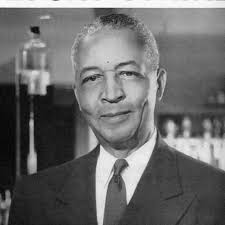
Production of Protein Hydrolysate, Lloyd A. Hall (1951)
Patented on January 2, 1951, this invention (U.S. Patent No. 2,540,113) by the renowned chemist Lloyd A. Hall revolutionized the production of “medicinal foods.” Before this patent, protein hydrolysates—liquid proteins broken down into amino acids for patients who couldn’t digest solid food (such as those with severe burns, ulcers, or post-surgery)—were often malodorous, bitter, and prone to putrefaction (rotting).
Hall discovered a way to use yeast enzymes to create a high-quality, palatable, and vitamin-rich protein supplement that was safe for oral administration.
The “Why”
- The Digestion Shortcut: Patients with impaired nutrition need protein that is already “pre-digested.” Hall aimed for a product where ~50% of the nitrogen was already in pure amino acid form.
- The Palatability Problem: Previous enzymatic methods took weeks, leading to “off-flavors” and a terrible smell. Hall needed a “clean” process.
- The Vitamin Bonus: By using yeast as both an enzyme source and a protein source, the final product naturally contained high levels of B-vitamins and essential minerals.
Key Systems Section
1. The “Mixed Enzyme” Strategy
Hall’s process doesn’t rely on just one enzyme. It uses a “tag-team” approach:
- Primary Protease: Enzymes like ficin (from figs), papain (from papaya), or trypsin are added first. These act like “heavy shears,” breaking large protein molecules (like casein from milk) into smaller chunks called peptones and polypeptides.
- Yeast Peptidases: Hall then introduces active Baker’s Yeast (S. cerevisiae). Once “unlocked,” the yeast’s internal enzymes act like “precision scissors,” snipping those smaller chunks into final amino acids.
2. Plasmolysis: Unlocking the Yeast
Yeast cells are tiny “safes” full of powerful enzymes. To get the enzymes out without killing their activity, Hall used plasmolysis:
- The Agents: He added small amounts of volatile liquids like ethyl alcohol or ethyl ether.
- The Result: These agents cause the protoplasm of the yeast cell wall to shrink and rupture, spilling the “peptidases” into the mixture to finish the protein breakdown. Because these agents are volatile, they evaporate during the drying process, leaving no chemical taste behind.
3. The Temperature “Sweet Spot” (46°C – 50°C)
This was Hall’s primary defense against spoilage:
- Standard Practice: Most enzymatic work was done at 40°C, but this is the perfect temperature for putrefactive bacteria to grow.
- Hall’s Innovation: He raised the temperature to 46°C – 50°C (115°F – 122°F). This is high enough to significantly slow down “bad” bacteria but low enough that the yeast enzymes remain highly active.
The Production Process
| Stage | Action | Purpose |
| Initial Digestion | Mix protein (Casein/Soya) with water and a protease (e.g., Ficin). | Solubilize the “heavy” proteins into a liquid state. |
| Activation | Add Baker’s Yeast and a plasmolysing agent (Alcohol). | Release the yeast’s “finishing” enzymes and B-vitamins. |
| Controlled Hydrolysis | Maintain pH 5.0–7.5 at 46°C–50°C for 24–48 hours. | Achieve the 50% amino-nitrogen conversion goal while preventing rot. |
| Inactivation | Rapidly heat the mixture to 88°C (191°F) or higher. | Kill all remaining enzyme activity so the product remains stable. |
| Dehydration | Spray-dry or vacuum evaporate the liquid into a powder. | Create a shelf-stable, “bland and palatable” medicinal food. |
Technical Analysis of the Final Product
Hall’s product was chemically superior to previous hydrolysates. A typical analysis showed:
- Protein Content: ~73.4%
- Solubility: 98% (almost completely clear in water).
- Bacterial Count: ~250 per gram (lower than certified milk).
- Taste: “Bland” (a massive achievement, as amino acids are usually very bitter).
Significance
Lloyd Hall’s patent provided a blueprint for modern medical nutrition:
- Bioavailability: It ensured that 100% of the amino acids (like Leucine, Lysine, and Valine) were preserved and easily absorbed by the body.
- Safety: By utilizing the 46°C–50°C window and volatile plasmolysing agents, he created a sterile product without using harsh inorganic chemicals or acids.
- Lloyd Hall’s Legacy: As a pioneer African American chemist, this patent was one of over 100 he held, cementing his status as a titan of food science who helped feed—and heal—millions.
Final Insight: Hall treated food like a pharmaceutical. By understanding that “bad” bacteria hate heat more than “good” enzymes do, he found a narrow biological window that allowed him to manufacture the building blocks of life in a clean, concentrated form.
