
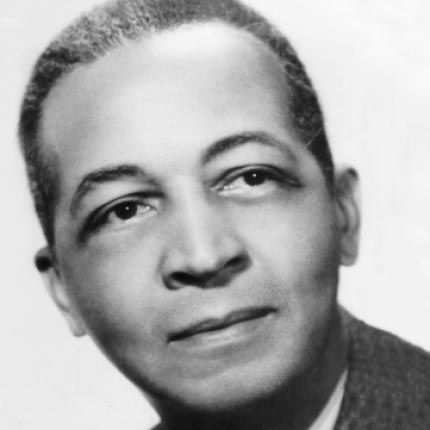
Production of Protein Hydrolysate Flavoring, Lloyd A. Hall (1947)
Patented in January 1947, this invention by the prolific chemist Lloyd A. Hall (U.S. Patent No. 2,414,299) revolutionized the way the food industry created “savory” or “umami” flavors. While the world already knew about Mono-Sodium Glutamate (MSG), Hall discovered that pure amino acids alone lacked the complexity of real meat.
His “Protein Hydrolysate” process was a masterclass in Fractional Chemistry. By strategically stopping the breakdown of proteins at different stages, he created a flavoring material that didn’t just taste like salt and glutamate—it had the “body,” mouthfeel, and rich profile of slow-cooked beef or pork.
The “Why”
Traditional protein hydrolysis (breaking down protein with acid) usually aims for completion—turning everything into individual amino acids. However, Hall observed that meat flavor is more than just a single molecule. It includes “intermediate” products that are larger than amino acids but smaller than whole proteins.
- The Problem: Complete hydrolysis produces a “flat” or thin flavor.
- The Solution: Hall realized that by mixing fully broken-down amino acids with “half-broken” proteins, he could replicate the chemical complexity of animal tissue.
Inventor Section: Engineering Philosophy
Lloyd A. Hall’s philosophy was Staged Molecular Deconstruction. Instead of a “one-pot” reaction, he viewed protein as a building that should be demolished in layers. He used the excess acid from the first high-intensity breakdown to fuel a second, gentler breakdown of fresh protein. This was not only chemically efficient but created a “synergistic” flavor profile that was far superior to standard industrial flavorings.
Key Systems Section
1. The Two-Stage Hydrolysis Engine
Hall’s process uses a “Primary” and “Secondary” reaction to create flavor depth.
- Stage 1 (The Foundation): Protein (like corn gluten) is boiled with strong Hydrochloric Acid (HCl) until it is “substantially complete.” This releases the amino acids that provide the base savory notes.
- Stage 2 (The Complexifier): He then adds fresh protein to the same pot. Because much of the acid is already “bound” to the first batch of amino acids, this second batch is only partially hydrolyzed.
- The Intermediate Products: This second stage produces proteoses, peptones, and polypeptides. These larger molecules provide the “savory body” and richness that pure MSG lacks.
2. The Hydrochloric Acid Cycle
Hall was a pioneer in industrial efficiency. He recognized that acid is both a tool and a waste product.
- Acid Recovery: After the first stage, he used vacuum distillation to boil off and recover up to 50% of the HCl for reuse.
- The Amine-Hydrochloride Buffer: He discovered that the remaining acid wouldn’t boil off because it was “bound” to the amino groups. He used this specific “bound acidity” to perform the gentle second-stage hydrolysis, ensuring the reaction never went “too far.”
3. pH and the “Meat Standard”
Hall was obsessed with the Iso-electric point—the specific acidity where flavor is most stable.
- The Target pH: He aimed for a pH between 3.2 and 7.0, specifically targeting 5.8 to 6.0.
- The Logic: This is the natural pH of high-quality meat. By using Caustic Soda (Sodium Hydroxide) to neutralize the acid, he created Sodium Ions in the solution. When these ions meet the amino acids, they form natural savory salts (like sodium glutamate) right in the liquid.
4. The “De-fatted Cracklings” Source
While Hall used corn gluten, he preferred animal-body protein for the best results.
- The Process: He used volatile solvents (like ether or hydrocarbons) to “de-fat” the residue of lard production (cracklings).
- The Benefit: Removing the fat prevented the flavoring from going rancid, while keeping the “animal-specific” amino acids (lysine, methionine) that give beef or pork their distinct signatures.
Comparison Table: Standard MSG vs. Hall’s Hydrolysate
| Feature | Mono-Sodium Glutamate (MSG) | Hall’s Protein Hydrolysate |
| Composition | Single Amino Acid (Glutamic Acid). | Amino Acids + Peptones + Polypeptides. |
| Flavor Profile | Sharp “Umami” spike. | Deep, “Meaty” complexity. |
| Mouthfeel | Thin/Watery. | Rich/Full-bodied. |
| Production | Highly refined/chemical. | Biological deconstruction of real protein. |
| Application | Seasoning salt. | Soup stocks, gravies, and meat loaves. |
Significance
This patent solidified Lloyd A. Hall’s reputation as one of the “fathers” of modern food science:
- The “Bouillon” Standard: This technology is the direct ancestor of the modern bouillon cube and liquid seasoning (like Maggi or Braggs).
- Wartime Necessity: During the 1940s, meat was rationed. Hall’s ability to create a “meat-like flavor” from corn gluten or waste cracklings allowed for the production of satisfying, protein-rich foods for both soldiers and civilians.
- Chemical Integrity: He was the first to bridge the gap between analytical chemistry (knowing the molecules) and sensory science (knowing how those molecules feel on the tongue).
Final Insight: Lloyd A. Hall’s work often focused on the “intermediate.” He understood that in nature, things are rarely “pure.” By embracing the messy middle-ground between a whole protein and a single amino acid, he captured the essence of flavor that had eluded chemists for decades.
