
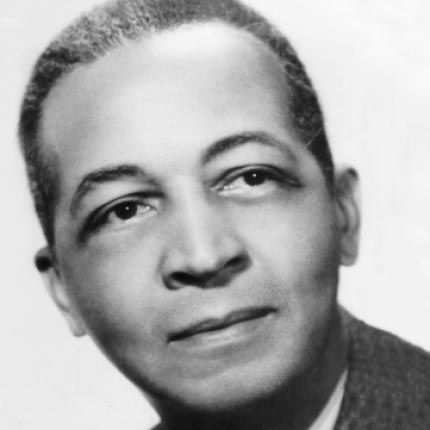
Method of Preserving Fresh Frozen Pork Trimmings (1958)
U.S. Patent No. 2,845,358, granted on July 29, 1958, to Lloyd A. Hall and Harry L. Gleason, describes a process for stabilizing fresh meat before it is frozen to prevent rancidity and “off-flavors.” Lloyd Hall, a trailblazing chemist at The Griffith Laboratories, specialized in the molecular preservation of food, ensuring that large-scale storage remained both safe and palatable.
This specific invention solved a massive economic and culinary problem: the deterioration of high-fat meats, like pork trimmings, during long-term freezer storage. While freezing was meant to preserve meat, it often resulted in a “purplish cast,” foul odors, and a complete loss of flavor after several months, rendering the meat practically worthless for products like sausage.
The Innovation: Pre-Frozen Stabilization
Before this patent, antioxidants were primarily used to treat liquid oils and fats like lard. Hall and Gleason were the first to recognize that the “freezer burn” and spoilage in stored meat weren’t just caused by fat oxidation, but also by the deterioration of the protein content.
Their breakthrough was the application of a synergistic antioxidant blend to unfrozen, uncured fresh meat immediately before it entered deep-freeze conditions.
Why Treat Before Freezing?
- Enzyme Inhibition: It stops the chemical reactions that cause protein breakdown and fat spoilage before the cold temperatures can “lock in” existing damage.
- Color Retention: It prevents the meat from developing an unappetizing purplish or gray tint, keeping it looking “fresh-kill” red.
- Indefinite Palatability: Treated pork trimmings could be stored for over a year and emerge with the same taste and texture as the day they were harvested.
Key Chemical Components
The composition utilized various approved antioxidants carried in a medium that could easily penetrate the meat’s surface:
| Component | Function |
| BHA / BHT | Provides “carry-through” protection that survives the transition from freezing to cooking. |
| Propyl Gallate | The primary oxygen-fighter that neutralizes free radicals in the meat’s fat. |
| Lecithin Citrate / Citric Acid | Acts as a synergist to boost the effectiveness of the other antioxidants. |
| Dextrose (or Salt) | The “working carrier” that helps distribute the antioxidant evenly across the meat trimmings. |
| Propylene Glycol (Liquid) | Used in liquid versions of the formula to ensure the blend stays stable in water or oil. |
Performance: Testing Freezer Stability
Hall and Gleason conducted “organoleptic” (taste and smell) tests and chemical analyses on commercial pork trimmings stored for one full year.
One-Year Storage Results:
- Untreated Sample: Analyzed with a Peroxide Value of 10 (indicating high oxidation). It was described as “unpalatable,” “rancid,” and having a “purplish cast.”
- Treated Sample: Analyzed with a Peroxide Value of Zero. The color, flavor, and odor were identical to fresh, non-frozen meat.
- AOM Stability: The treated meat showed a resistance to oxidation for 16 hours under stress, while the untreated meat had a resistance of zero hours.
The Application Process
The patent outlines several methods for applying the protective layer depending on the cut of meat:
- Mixing: For pork trimmings, 2 lbs of the antioxidant powder (Example #1) are mixed thoroughly with 100 lbs of fresh meat.
- Rubbing/Sprinkling: For beef steaks, the mixture is rubbed directly onto the surface of the muscle.
- Dipping/Spraying: A liquid version (Example #5) can be used to momentarily dip steaks or be sprayed over large quantities of trimmings to ensure 100% coverage.
About the Inventor: Lloyd A. Hall
Lloyd Augustus Hall was one of the most prolific African American chemists of the 20th century.
- Food Science Pioneer: His work at The Griffith Laboratories transformed the way the world eats by making long-distance food transport and long-term storage viable.
- Expertise in Synergy: Hall was a master at “synergistic” chemistry—combining multiple antioxidants to create a defense far stronger than any single chemical alone.
- Legacy: His techniques for preventing the deterioration of both fats and proteins allowed the meat industry to minimize waste and provide shelf-stable products to a growing global population.
Summary of Claims
The patent explicitly claims:
- A method for preserving fresh frozen pork trimmings for up to one year without rancidity or protein deterioration.
- The application of a non-toxic antioxidant combined with a carrier like salt, sugar, or edible oil.
- The requirement that the treatment be applied to unfrozen, uncured meat before it is placed in deep-freeze storage.
