
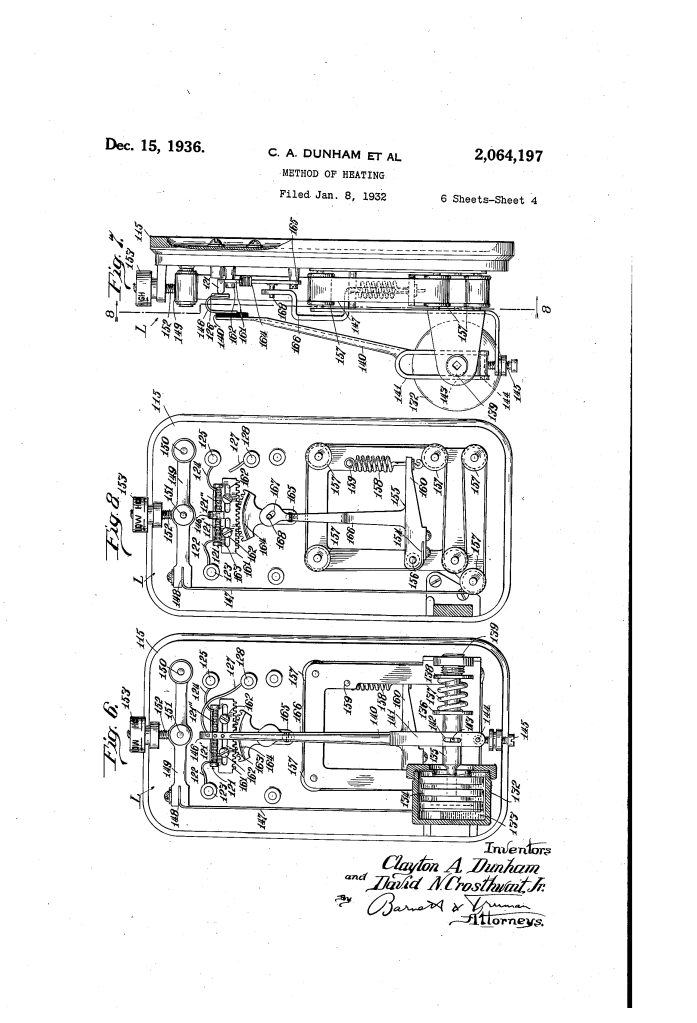
Sub-Atmospheric Effective Temperature Heating System, Clayton A. Dunham & David N. Crosthwait, Jr., Patent No. 2,064,197
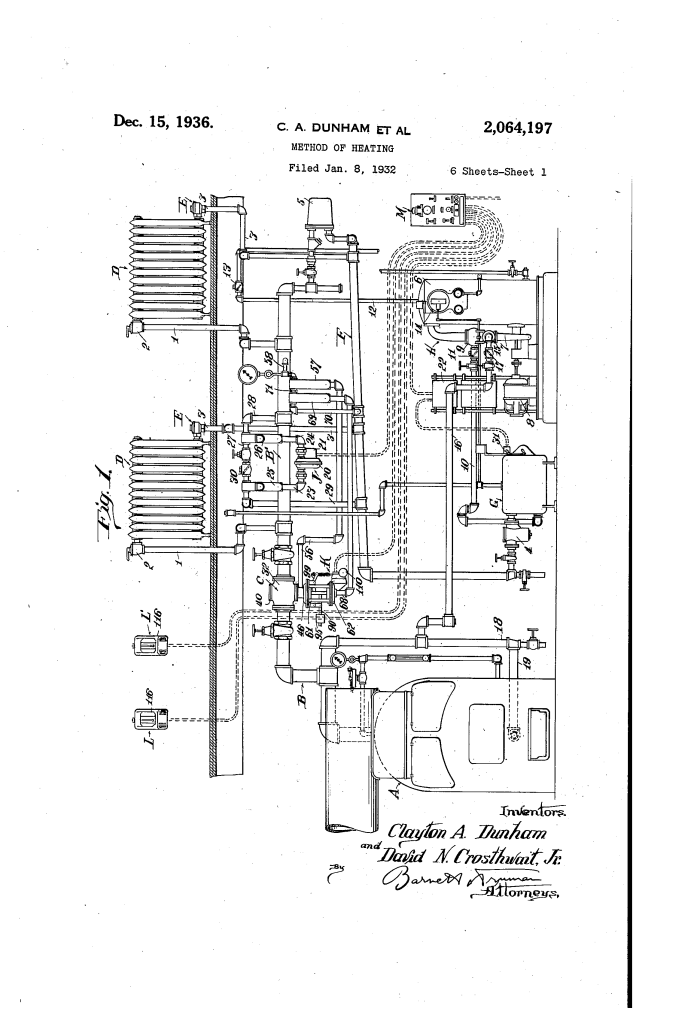
The patent by Clayton A. Dunham of Glencoe, Illinois, and David N. Crosthwait, Jr. of Marshalltown, Iowa, describes a Method of Heating (Patent No. 2,064,197), filed in 1932 and granted in 1936. This invention is a sophisticated “effective temperature” control system that automatically adjusts steam heat output based on the relationship between air temperature and humidity. It marks a historic leap from simple thermostatic control to a holistic understanding of human thermal comfort.
The “Why”
In the early 20th century, heating was binary: a building was either at a target temperature (usually 70°F) or it wasn’t. However, the inventors noticed a common pain point: occupants often felt “chilly” at 70°F when the air was dry, or “stifling” at the same temperature when humidity was high. Previous solutions required expensive, bulky humidifiers. Dunham and Crosthwait realized they could achieve the same “comfort level” by dynamically shifting the temperature up or down to compensate for humidity—maintaining what they termed “Effective Temperature.”
Inventor Section: Engineering Philosophy
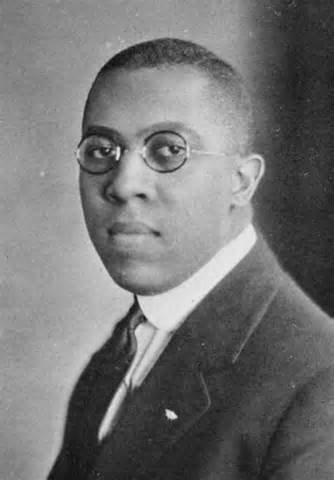
David N. Crosthwait, Jr., a brilliant Black engineer and pioneer in HVAC history, held over 30 patents and was a fellow of the ASME. His engineering philosophy centered on fluid dynamics and sub-atmospheric pressure. During an era when many Black professionals were barred from top-tier research, Crosthwait became the Director of Research at the C.A. Dunham Company. He viewed a building as a living organism, believing that heat should be supplied “continually and not intermittently” to prevent the drafts and air stratification (cold floors/hot ceilings) common in 1930s structures.
Key Systems Section
1. Sub-Atmospheric Pressure Modulation
Unlike standard high-pressure boilers, this system operates at vacuum or sub-atmospheric pressures.
- Mechanical Principle: By lowering the pressure within the radiators, the system allows steam to be generated and circulated at temperatures significantly lower than 212°F (100°C).
- Modern Term: This is a mechanical precursor to Variable Refrigerant Flow (VRF) or Modulating Condensing systems, providing gentle, consistent warmth rather than “on-off” blasts of heat.
2. The Humidity-Responsive “Comfort” Thermostat
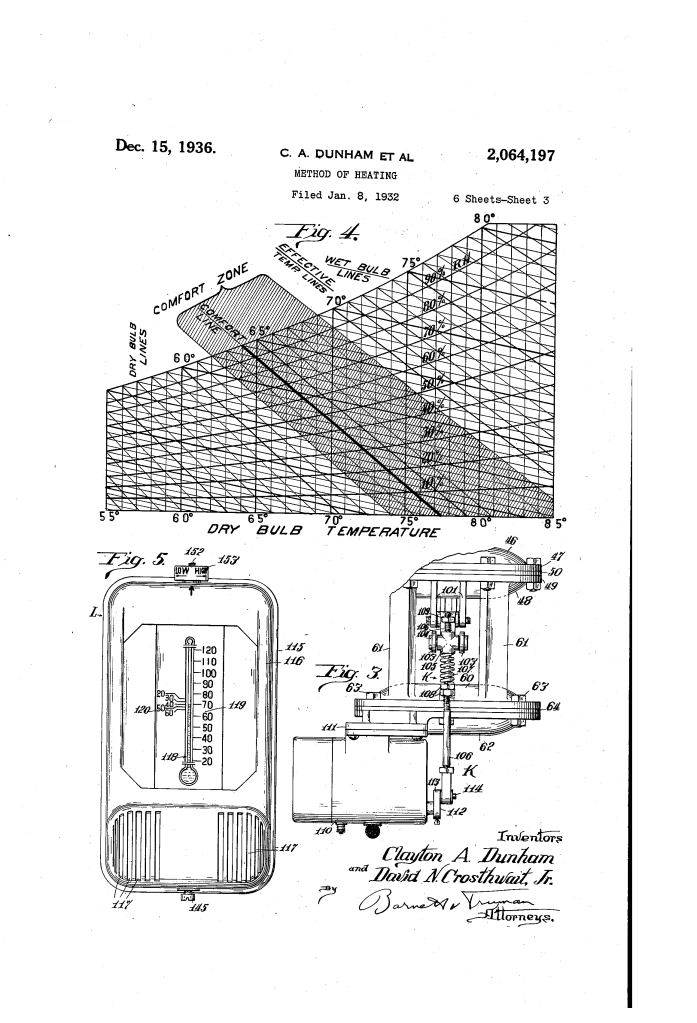
The heart of the invention is a specialized controller that houses both a temperature-sensitive bellows and a humidity-responsive element.
- The Mechanism: A hermetically sealed casing containing heat-responsive fluid expands a flexible bellows (sylphon). This expansion moves a lever across an electric resistance coil.
- Technical Translation: This creates a potentiometer circuit (variable resistance) where the “set point” of the heater is physically shifted by the mechanical movement of the humidity sensor.
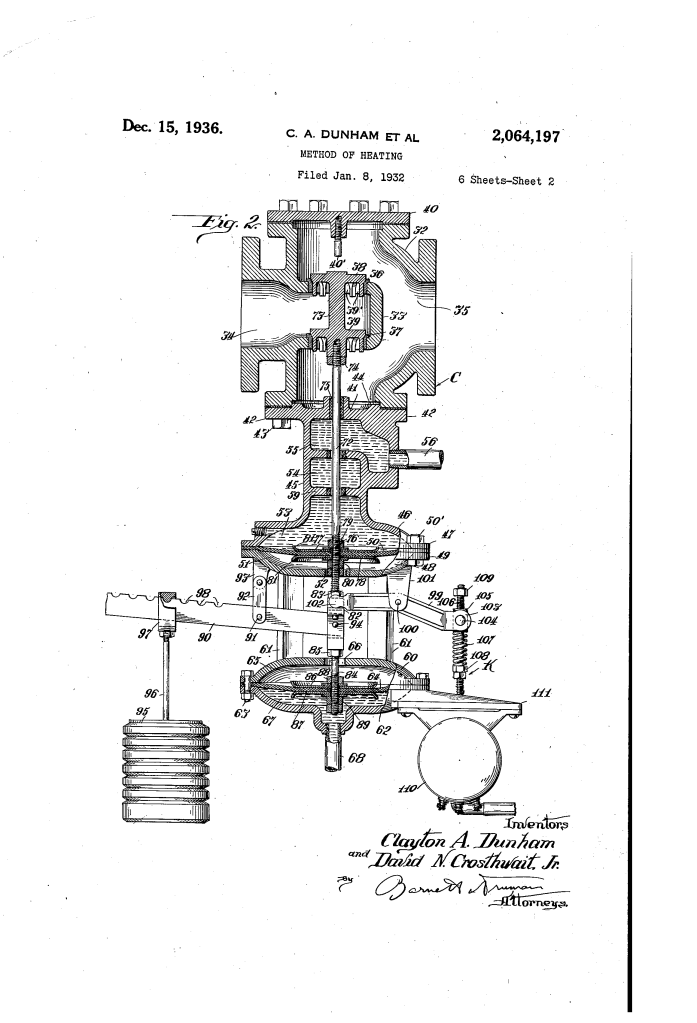
3. Differential Pressure Controller (The “J” Unit)
To ensure steam reaches all radiators even at low pressures, the system uses a Differential Pressure Controller.
- Function: It measures the pressure difference (Delta P) between the supply main and the return main.
- Logic: If the differential drops (indicating the radiators are struggling to pull in steam), it triggers an exhauster/vacuum pump to “pull” the steam through the system.
Comparison Table: Standard 1930s Heating vs. Dunham-Crosthwait System
| Feature | Standard 1930s Steam | The Dunham-Crosthwait Method |
| Control Logic | Dry-bulb temperature only. | Effective Temperature (Temp + Humidity). |
| Steam State | High pressure, high temp (212°F+). | Sub-atmospheric, low temp steam. |
| Delivery Style | Intermittent (cycles on/off). | Continuous modulation (steady flow). |
| Efficiency | High waste due to overheating. | Highly efficient; matches building heat loss. |
| Air Quality | High “stratification” (hot ceilings). | Minimal stratification; uniform air temp. |
Significance
This patent is a foundational document in the history of Climatology and Building Science.
- Precursor to Smart Thermostats: The logic of adjusting “RealFeel” (like modern Nest or Ecobee sensors) was mathematically and mechanically mapped by Crosthwait in 1932.
- HVAC Standardization: The “Comfort Zone” chart included in the patent (Fig. 4) helped define the ASHRAE standards used globally today.
- Urban Engineering: Crosthwait’s designs were later used to heat iconic structures like the Rockefeller Center, proving that sub-atmospheric steam was the only viable way to heat massive skyscrapers efficiently.
