
Meat-Curing Salt Composition (1956)
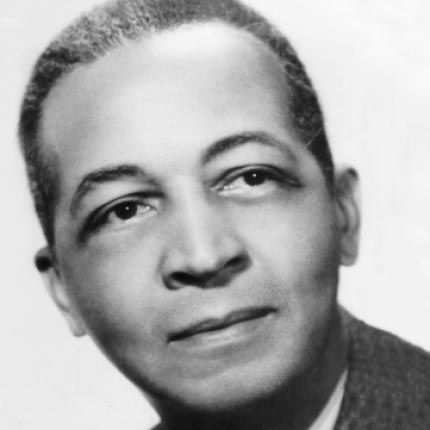
U.S. Patent No. 2,772,170, granted on November 27, 1956, to Lloyd A. Hall and Walter S. Kalchbrenner, introduces a non-caking salt formula that revolutionized the stability of meat-curing agents. Lloyd Hall, the renowned technical director of The Griffith Laboratories, was the primary architect of “flash-dried” salt technology, which remains a cornerstone of modern food science.
This invention solved a frustrating logistical problem in the meat-packing industry: the tendency for high-quality curing salts to “cake” or harden into solid blocks inside their shipping drums, making them difficult to measure and use.
The Innovation: The “Citrate Synergy”
Hall had previously perfected a process where sodium chloride (table salt) crystals were flash-dried to house nitrogen-containing curing salts (nitrites and nitrates) as “heart-like centers.” However, these specialized crystals naturally released tiny amounts of moisture after packaging, causing them to fuse together.
While hygroscopic agents like glycerin were used to catch this moisture, they only delayed the clumping. Hall’s breakthrough was discovering that adding a small amount of alkali metal citrate (0.5% to 2.5%) created a synergistic effect with the glycerin that kept the salt “flowing like water.”
Why Alkali Metal Citrate?
- Powdery Texture: It changes the physical character of the crystals during the flash-drying process, making them finer and more fluid.
- Synergistic Stabilization: In the absence of a hygroscopic agent, citrate is ineffective; however, when combined with glycerin or corn sugar, it effectively prevents the crystals from bonding.
- Extended Shelf Life: It ensures the product remains free-flowing for at least 90 days, providing a vital safety factor for long-distance shipping and warehouse storage.
Key Chemical Components
The composition is a precisely balanced mineral blend where the pH is strictly maintained at 7.4 or higher to ensure the nitrite value does not degrade over time.
| Component | Function |
| Sodium Chloride (Salt) | The “jacket” or carrier crystal that houses the active curing agents. |
| Sodium Nitrite/Nitrate | The active curing salts that preserve meat color and prevent spoilage. |
| Alkali Metal Citrate | The anti-caking agent that ensures the powder remains free-flowing. |
| Glycerin (or Corn Sugar) | The hygroscopic agent that manages internal moisture release. |
| Sodium Tripolyphosphate | A sequestering agent used to neutralize metallic impurities that could trigger oxidation. |
Performance: Non-Caking Life
Hall’s patent provides comparative data showing how the concentration of sodium citrate directly impacts the “free-flowing” lifespan of the curing salt under commercial storage conditions.
Test Results on Storage Stability:
- Standard Formula (No Citrate): Generally caked within 2 weeks.
- Formula with 0.5% Citrate: Remained free-flowing for 3 to 3.5 weeks.
- Formula with 1.5% Citrate: Remained free-flowing for 3 months.
- Formula with 2.0% Citrate: Remained free-flowing for 3.5 months.
The Manufacturing Process
The production utilizes “flash-drying” on heated rolls to create the unique jacketed crystal structure:
- Dissolve sodium chloride and carbonate into a water base.
- Add citric acid, followed by the nitrite and nitrate salts.
- Heat the solution and feed it onto revolving drums heated to 310–330°F.
- Scrape the powdery crystals from the rolls and pass them through a cooling tunnel.
- Package the crystals into 300-pound drums once they have reached room temperature.
About the Inventor: Lloyd A. Hall
Lloyd Augustus Hall was one of the most prolific African American chemists in history, holding over 100 patents.
- Flash-Drying Pioneer: Hall was the first to realize that by “jacketing” unstable nitrites inside common salt crystals, he could prevent them from exploding or degrading, making meat curing safer and more uniform.
- Scientific Precision: His work moved food preservation from “guesswork” to an exact science, ensuring that every teaspoon of curing salt contained the exact amount of preservative needed.
- Industry Standards: Most of the shelf-stable cured meats found in modern grocery stores—from ham to hot dogs—rely on the chemical foundations Hall established at The Griffith Laboratories.
Summary of Claims
The patent explicitly claims:
- A curing salt composition consisting of flash-dried crystals with a pH not under 7.4.
- An anti-caking system comprising a hygroscopic agent and at least 0.5% alkali metal citrate.
- The specific method of jacketing minor portions of nitrite/nitrate within a major portion of sodium chloride to ensure uniform distribution.
