
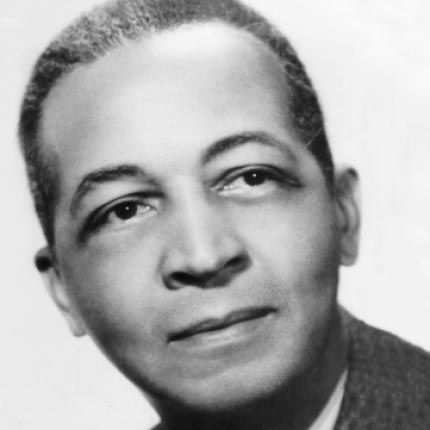
Nitrogen-Fortified Whey Concentrate, Lloyd A. Hall, Patent No. 2,363,663
Patented in November 1944, this invention by the renowned African-American chemist Lloyd A. Hall addressed a major waste problem in the dairy industry. During this era, “whey”—the liquid byproduct of cheese and casein production—was often discarded or used as a low-value, acidic animal feed. Hall’s Nitrogen-Fortified Whey Concentrate transformed this waste into a high-protein, nutrient-dense “superfood” for livestock and potentially for human consumption.
By combining acidic whey with low-cost “cracklings” (animal protein byproducts), Hall utilized a process of lactic acid hydrolysis to pre-digest tough proteins, making them more soluble and assimilable. This wasn’t just a mixing process; it was a chemical transformation that increased the “nitrogenous food value” of a formerly cheap byproduct.
The “Why”
In the 1940s, protein was expensive, and wartime resource management made food waste a critical issue. Normal whey is mostly water, lactose, and a tiny bit of protein. While it contains valuable vitamins (like B_2), it’s too acidic and low in nitrogen to be a primary protein source. Conversely, “cracklings” (the residue from rendering lard) are packed with protein but are difficult to digest. Hall sought to use the natural lactic acid in sour whey as a “chemical hammer” to break down these tough proteins into easily absorbed amino acids and peptides.
Inventor Section: Engineering Philosophy
Lloyd A. Hall’s philosophy was based on Synergistic Recycling. He realized that the “problem” of whey (its high acidity) was actually the “solution” to the problem of cracklings (their indigestibility). By using the whey’s own lactic acid to catalyze protein hydrolysis, he eliminated the need for expensive mineral acids or enzymes. His process was a closed-loop system: waste + waste = high-value concentrate.
Key Systems Section
1. The Lactic Acid Hydrolysis Engine
Hall’s process turns the whey itself into a chemical reactor.
- The “Sour” Trigger: The whey is fermented until it reaches at least 1% lactic acid acidity.
- The Catalyst: Unlike industrial processes that use strong sulfuric acid, Hall uses this natural lactic acid. At temperatures of 135°F to 155°F under vacuum, this acid breaks the peptide bonds in the added animal protein.
- The Result: Large, complex protein molecules are shattered into proteoses, peptones, and amino acids—essentially “pre-digesting” the food for the animal.
2. Nitrogen Fortification via “Cracklings”
To boost the nutritional profile, Hall introduced animal-body protein.
- Source: Ground “press cake” or cracklings from the lard industry.
- The “Essential” Logic: Hall prioritized animal-body protein because it contains the 8-10 essential amino acids (like lysine, leucine, and methionine) required for animal growth that plant proteins (like corn gluten) often lack.
- Fortification Stats: Normal condensed whey has ~9% protein; Hall’s fortified concentrate jumps to 13-14% protein and significantly higher amino acid content.
3. The “Curing” and Homogenization Pool
One major technical hurdle was “granulation”—the tendency of the hot concentrate to become gritty and unstable once cooled.
- The Shallow Pool: The hot concentrate is poured into shallow pools (6 inches deep).
- The Curing Process: The mass is worked (stirred) occasionally over 24 hours.
- The Jelly-Like Paste: This “mechanical curing” prevents large crystals from forming, resulting in a smooth, uniformly viscous, jelly-like paste. This paste is stable between 70°F and 110°F, making it easy to store in barrels.
4. The Protective “Skin”
Hall discovered a unique physical property of his concentrate:
- Self-Preservation: When exposed to air, the concentrate forms a tough “skin” on the surface.
- Function: This skin acts as a natural seal, preventing further evaporation and protecting the mass underneath from spoilage, acting as a built-in “lid.”
Comparison Table: Standard Whey vs. Hall’s Fortified Concentrate
| Feature | Standard Condensed Whey | Hall’s Fortified Concentrate |
| Protein Content ($N \times 6.38$) | ~9.6% | ~13.4% |
| Amino Acid Content | ~0.10% | ~1.10% |
| Digestibility | Moderate (mostly lactose). | High (Hydrolyzed protein). |
| Physical Form | Gritty/Thin Liquid. | Smooth Jelly-like Paste. |
| Storage | Prone to sedimentation. | Stable/Self-sealing. |
Significance
Lloyd A. Hall was a pioneer in Food Chemistry and the first African American to hold such a prominent position in the field (working as Chief Chemist for Griffith Laboratories):
- Sustainable Agriculture: This patent created a high-value market for cheese-making waste, improving the economics of dairy farming.
- Nutritional Science: By focusing on the quality of amino acids (essential vs. non-essential), Hall helped bridge the gap between simple chemistry and complex biology.
- Versatility: While intended for animal feed (where cost is paramount), Hall noted the concentrate could be used in human foods like bakery goods, soups, and beverages to combat protein deficiency.
