
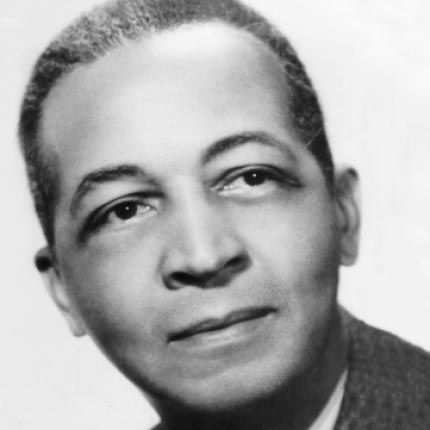
Manufacture of Bleached Pepper Products: Lloyd A. Hall (Patent No. 2,098,106)
The patent by Lloyd A. Hall of Chicago, Illinois, describes a method for Bleaching Pepper Products (Patent No. 2,098,106), granted on October 26, 1937. This chemical process transforms naturally dark oleoresins (concentrated extracts) of black and red peppers into light-colored variants that resemble expensive white pepper. By using organic peroxides as bleaching agents, Hall developed a way to retain the superior “bite” and aroma of darker peppers while meeting the commercial demand for aesthetic, colorless seasonings in the food industry.
The “Why”
In the 1930s food industry, “white pepper” was highly coveted for its lack of color, which prevented unsightly dark specks in light-colored foods like sausages, cream soups, and mayonnaise. However, white pepper was often less flavorful than black or red (capsicum) varieties. The primary “pain point” was the trade-off between aesthetic purity and flavor strength. Hall’s invention solved this by allowing manufacturers to use the cheaper, more potent dark peppers and chemically “erase” their color without destroying the volatile oils that provide flavor and heat.
Inventor Section: Lloyd A. Hall
Lloyd Augustus Hall was a brilliant African American chemist and a pioneer in food science. His engineering philosophy was grounded in food safety and chemical efficiency. Holding over 100 patents, Hall revolutionized how the world preserves and flavors food. In this patent, he demonstrated a sophisticated understanding of selective oxidation—targeting the pigments (chlorophyll and carotenoids) of the pepper while sparing the flavoring constituents (piperine and essential oils).
Key Systems Section
1. Selective Oxidation via Benzoyl Peroxide
The core of the process involves adding an organic peroxide, specifically benzoyl peroxide, directly to the viscous oleoresin.
- Modern Term: Targeted Chemical Bleaching.
- When heated, the benzoyl peroxide ($C_{14}H_{10}O_4$) releases active oxygen which breaks down the double bonds in the pepper’s pigment molecules, neutralizing the color.
2. Thermal Regulation and Refluxing
The reaction is carried out in a refluxing apparatus or a commercial autoclave at temperatures strictly between 160°F and 200°F.
- Modern Term: Controlled Thermolysis.
- Hall discovered that if the temperature exceeds 250°F, the pepper becomes perfectly white but loses all its “bite.” The system requires a precise thermal balance to ensure the peroxide dissolves and reacts without “cooking” the flavor out.
3. Constant Agitation (Procedure C)
In commercial batches, the mixture must be constantly stirred in an autoclave.
- Modern Term: Mechanical Homogenization.
- This prevents “local overaction,” where a high concentration of the bleaching agent in one spot would destroy the flavoring materials. Agitation ensures the peroxide is evenly distributed throughout the thick, resinous mass.
4. Safe Residue Integration
The process is designed so that the byproduct of the reaction—benzoic acid—remains in the pepper.
- Modern Term: Additive Synthesis.
- Unlike other bleaching agents that require a “wash” to remove chemicals, the leftover benzoic acid is a harmless, federally approved food preservative, making the end product shelf-stable and ready for use.
Comparison Table
| Feature | Standard Pepper Products (1930s) | Hall’s Bleached Products |
| Source Material | Expensive, mild White Pepper. | Potent, affordable Black/Red Pepper. |
| Color Control | Fixed by nature (Dark or Light). | Chemically adjustable to “Cream” or “White.” |
| Flavor Profile | Often bland or weakened. | Retains high “bite” and essential aromatics. |
| Industrial Use | Leaves dark specks in light foods. | Blends invisibly into white sauces/meats. |
Significance Section
- Father of Modern Food Chemistry: This process laid the groundwork for modern techniques in spice extraction and color standardization.
- Preservative Synergy: Hall cleverly used a bleaching reaction that resulted in a preservative byproduct, a hallmark of “Green Chemistry” before the term existed.
- Economic Impact: It allowed the spice industry to maximize the utility of capsicum and black pepper, which were easier to source and process than natural white pepper.
- Versatility: The bleached oleoresins could be emulsified or spread onto salt/sugar vehicles (Formula I-IV), creating the standardized “dry seasonings” used in industrial meat packing today.
