
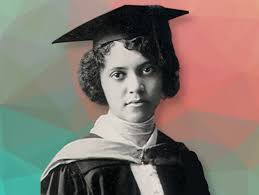
Alice Augusta Ball’s work in 1915 represents one of the most significant medical breakthroughs in the history of tropical medicine. Although she did not receive a patent for her discovery (partly due to her untimely death at age 24 and the scientific ethics of the era), her “Ball Method” became the global standard of care for leprosy (Hansen’s disease) for over 30 years.
The Medical Challenge: Chaulmoogra Oil
Before Alice Ball, the only known treatment for leprosy was oil from the seeds of the Chaulmoogra tree. While it showed promise, the oil was nearly impossible to administer effectively:
- Topically: It was too weak to heal deep lesions.
- Orally: It was so acrid and bitter that it caused chronic vomiting.
- Injecting the raw oil: The oil was too thick to absorb and stayed in localized “clumps” under the skin, causing agonizing pain and abscesses.
The Innovation: The “Ball Method”
As a pharmaceutical chemist at the College of Hawaii (now the University of Hawaii), Ball was tasked with finding a way to make the oil injectable and absorbable.
1. Chemical Fractionation
Ball applied a sophisticated chemical process to the oil’s fatty acids. She successfully isolated the active components (chaulmoogric and hydnocarpic acids) and converted them into ethyl esters.
2. Water Solubility and Absorption
By creating these ethyl esters, she transformed the thick, viscous oil into a thinner, water-soluble substance.
- Mechanism: This allowed the medication to be injected into the bloodstream or muscle tissue where the body could actually circulate and absorb it.
The Significance of the Injection
For the first time in history, physicians had a treatment that was both tolerable to the patient and effective against the bacteria.
- The Kalihi Hospital Success: In 1918, just a few years after her discovery, 78 patients at the Kalihi Hospital in Hawaii were discharged, completely symptom-free, thanks to her injections.
- Ending Exile: Before this treatment, leprosy patients were often forcibly exiled to the island of Molokai, essentially a life sentence of isolation. Ball’s discovery allowed families to stay together and patients to be treated in their own communities.
Key Historical Facts
- The “Dean Method” Controversy: After Ball died in 1916 (likely from chlorine gas exposure during a lab demonstration), Arthur L. Dean, the president of the university, continued her work. He published the findings under his own name, calling it the “Dean Method.”
- Restoring the Legacy: It wasn’t until the 1970s and 80s that historians and scientists, including Dr. Kathryn Takara and Stan Ali, unearthed the truth. The University of Hawaii eventually recognized her work, and Hawaii now celebrates “Alice Ball Day” on February 29.
Impact on Medical Science
Alice Ball’s work is a foundational example of ethnopharmacology—using traditional plant-based medicine and applying modern chemical engineering to unlock its potential. Her method remained the primary treatment for leprosy until the development of sulfone drugs in the 1940s.
