
Inventor: William B. Purvis Patent Number: 273,149 (US-0273149-A) Date of Patent: February 27, 1883 Invention: Hand-Stamp
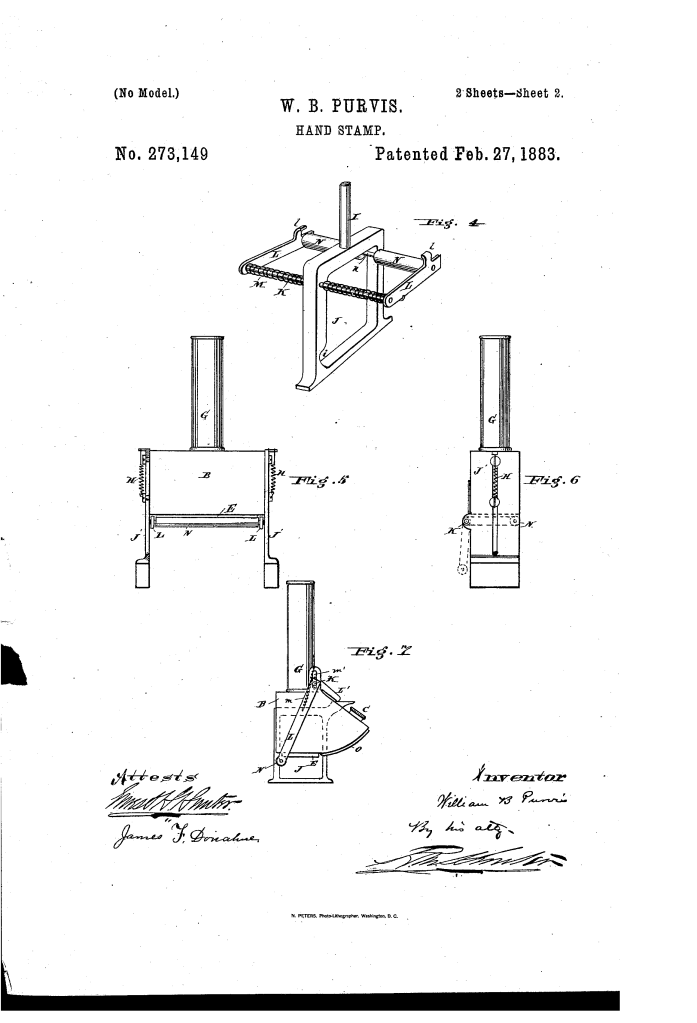
Description of the Invention: William B. Purvis’s 1883 patent for an “Improved Hand-Stamp” addressed common problems with existing hand-stamping devices, particularly the uneven distribution of ink, which led to blurred or incomplete impressions. His invention aimed to provide a more reliable, clean, and efficient way to apply ink to the stamp-die, ensuring clear and sharp impressions with each use.
Key features of his design focused on the inking mechanism:
- Ink-Carrying Roller (B): This roller is pivoted within the frame of the stamp. It is designed to revolve when the stamp is in operation.
- Ink-Pad (C): An ink-pad is placed at the upper portion of the frame, positioned to moisten the ink-carrying roller as it revolves.
- Springs (D): Springs are arranged to press the ink-pad against the roller, ensuring consistent contact and ink transfer.
- Plunger (A) and Die-Plate (E): As the plunger (which holds the die-plate or stamp-die) descends to make an impression, a part of its mechanism (likely a projection or lever) engages with the ink-carrying roller.
- Automatic Inking: This engagement causes the ink-carrying roller to revolve and come into contact with the stamp-die (E) just before the impression is made. This automatically inks the die evenly.
- Problem Solved: This mechanism ensured that the die was freshly and evenly inked for each impression, preventing the blurred or “blobby” impressions common with stamps where the entire die rested on an ink pad or was manually inked.
Purpose of the Invention: The primary objective was to produce a hand-stamp that provided a clean, sharp, and clear impression every time, overcoming the issue of uneven inking prevalent in other designs. It aimed for greater efficiency and reliability in office and commercial use.
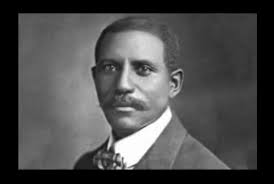
Personal Significance (William B. Purvis): William B. Purvis (1838-1914) was a prolific African American inventor and businessman from Philadelphia, Pennsylvania. Born into a prominent abolitionist family, he was the grandson of James Forten. Purvis was a self-taught inventor with a remarkable aptitude for mechanics.
His “Hand-Stamp” patent is one of many diverse inventions he developed. Purvis secured numerous patents in the late 19th century, including an earlier “Bag-Fastener” (1882), a sophisticated “Fountain Pen” (1890), and several highly significant patents for paper bag manufacturing machines (starting in 1884). He also ventured into transportation technology with patents for electric railway systems and a magnetic car balancing device. Purvis’s wide-ranging inventions, from office tools to heavy machinery, underscore his extraordinary ingenuity and perseverance in the face of the pervasive racial discrimination of his era. His life’s work highlights the significant, often overlooked, contributions of African American innovators to American industry and daily life.
Historical Significance: William B. Purvis’s “Hand-Stamp” holds historical importance in the context of office technology, commercial efficiency, and African American innovation:
- Advancement in Office Technology: In the late 19th century, hand-stamps were indispensable tools in burgeoning offices, postal services, and commercial establishments for marking documents, packages, and correspondence. Purvis’s invention directly improved the quality and efficiency of this everyday task.
- Enhancing Commercial Efficiency: Clear and consistent stamping was crucial for record-keeping, branding, and processing in an era before widespread adoption of typewriters and advanced printing technologies. By ensuring reliable impressions, Purvis’s stamp contributed to smoother commercial operations.
- African American Contribution to Business Tools: This patent is another important example of an African American inventor contributing to essential business and administrative tools. It demonstrates that Black ingenuity extended to innovations that supported the growing white-collar and commercial sectors.
- Precursor to Modern Stamping Devices: While technology has advanced, the fundamental principles of automatic, even inking and clear impression found in Purvis’s design laid groundwork for later stamping devices and even inform aspects of modern printing and marking technologies.
Purvis’s hand-stamp exemplifies his genius for identifying practical problems and devising elegant mechanical solutions that improved efficiency and quality in various aspects of daily work and commerce.
