
Breathing Device (Garrett A. Morgan, No. 1,113,675)
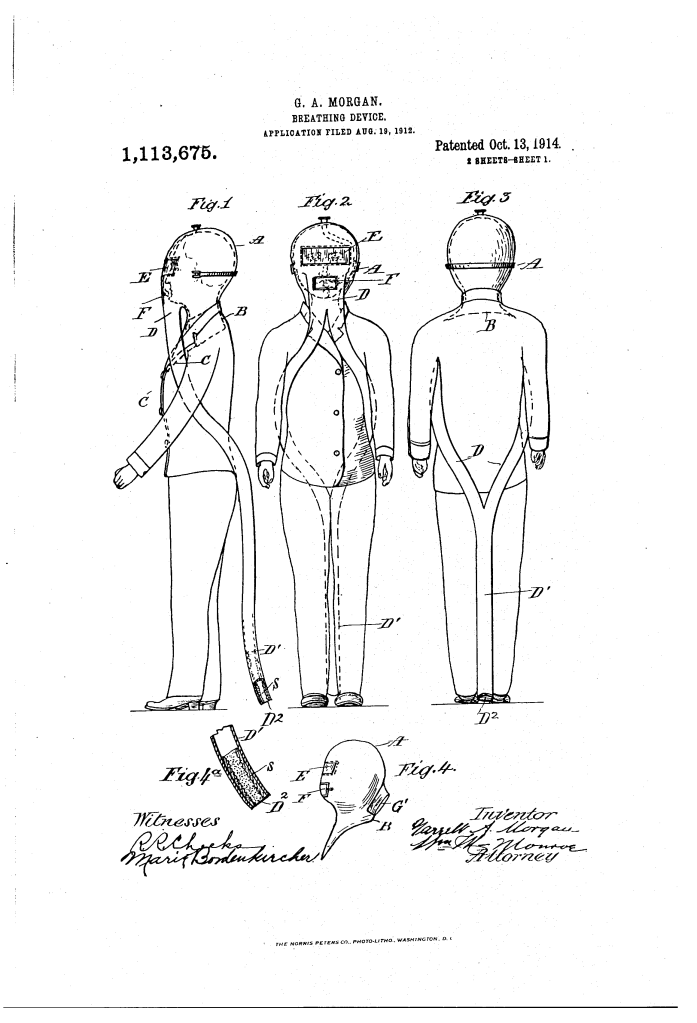
The patent by Garrett A. Morgan of Cleveland, Ohio, describes a Breathing Device (Patent No. 1,113,675, 1914). This invention, commonly known as the “Morgan Safety Hood,” was a precursor to the modern gas mask. It was designed to allow firemen, engineers, and chemists to enter environments filled with thick smoke or noxious fumes and breathe safely. Morgan’s design relied on the scientific observation that during a fire, smoke and heat rise, leaving a layer of cleaner, cooler air near the floor.
Inventor Background: Garrett A. Morgan
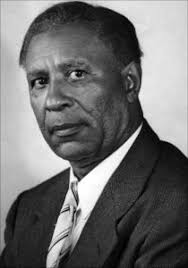
Garrett Augustus Morgan (1877–1963) was a prolific African American inventor and entrepreneur. While he is famously known for inventing the three-position traffic signal, his safety hood was a life-saving breakthrough. In 1916, Morgan made national headlines when he used his breathing device to rescue workers trapped in a gas-filled tunnel 250 feet beneath Lake Erie after an explosion. Despite the success of the device, Morgan often faced racial prejudice; he sometimes hired a white actor to pose as the inventor while he posed as an assistant during demonstrations. His National Safety Device Company successfully marketed the hood to fire departments across the United States.
Invention and Mechanism (Simplified)
The device utilizes a hood connected to a long tube that reaches down to the floor to draw in cleaner air.
1. The Hood (A) and Seal (B, C)
- Construction: The hood (A) is made of flexible, gas-impervious material like rubber or asbestos cloth.
- The “Coat-Seal”: Instead of complex straps, the hood features flaps (B and C) that are tucked under a fireman’s coat.
- Function: When the coat is buttoned, it creates a natural seal that prevents smoke from entering the hood without the need for restrictive buckles or straps.
2. The Air Inlet Tubes (D, D1)
- Trailing Tube: Two tubes (D) lead from the front of the hood, pass over the shoulders, and join at the back to form a single depending tube (D1).
- Clean Air Zone: The tube is long enough to reach the floor.
- Function: In a smoke-filled room, the tube draws air from the “bottom layer” near the ground, which remains breathable long after the upper air has become lethal.
- Moisture Filter: The end of the tube contains a wet sponge. This moistens the air, cools it, and helps filter out larger soot particles.
3. The Breath-Operated Exhaust Valve (G, H) (Key Innovation)
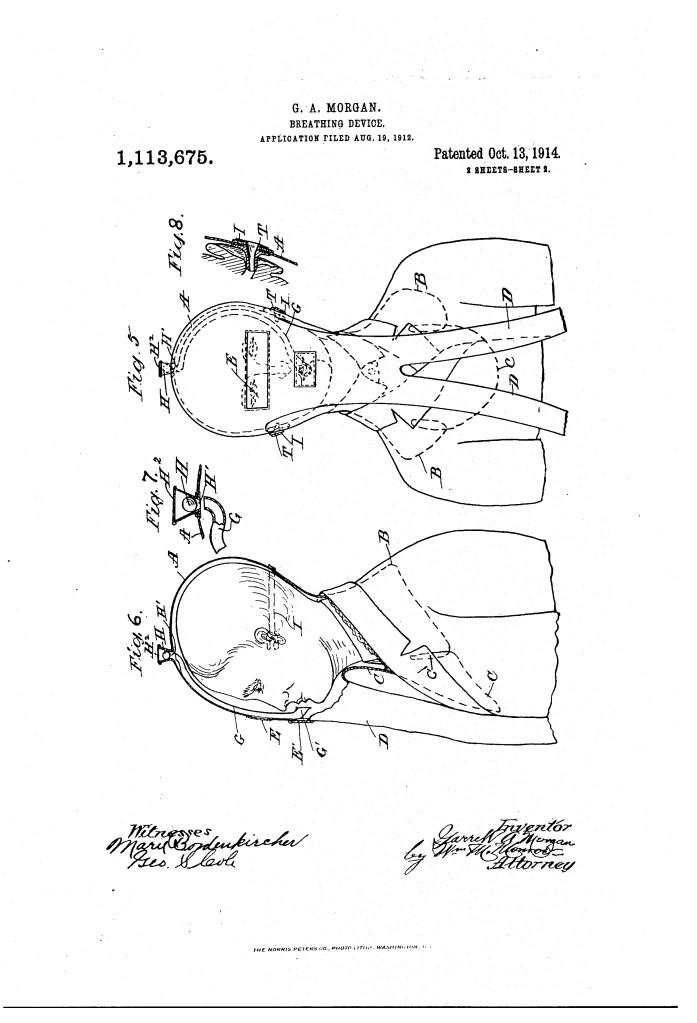
Inside the hood is a second tube (G) with a mouthpiece.
- The Gravity Valve (H): At the top of the hood is a small opening containing a light ball (H).
- Suction Effect: When the user exhales into the tube (G), the force of their breath raises the ball and creates a momentary draft.
- Function: This action uses the principle of suction to draw foul, exhaled air out of the top of the hood and simultaneously pull fresh air up through the inlet tube. It puts the air circulation under the direct control of the wearer’s breathing.
4. The Integrated Ear Trumpets (T)
- Hearing: Because the thick hood muffled sound, Morgan integrated small ear trumpets (T).
- Function: These fit directly into the user’s ears and are held in place by a spring. This allowed firemen to hear commands from their chief or the cries of victims through the heavy protective material.
Concepts Influenced by This Invention
Garrett A. Morgan’s breathing device influenced the development of respiratory protection and emergency rescue gear.
- Selective Layer Breathing: The logic of seeking “pockets” of air in hazardous environments is still a core part of firefighter training today (crawling low under smoke).
- Controlled Ventilation: The use of the user’s own exhalation to trigger air exchange was a pioneering step in passive-active respiration systems, where the machine works in harmony with human biology.
- Portable Filtration: The wet-sponge filter was an early form of scrubbing, a concept that evolved into the sophisticated chemical canisters used in modern gas masks and SCUBA rebreathers.
- Communication in Isolation: By acknowledging that a rescuer needs their senses (hearing) as much as their breath, Morgan set the standard for integrated communication in hazmat and tactical headgear.
