
Electric Railway Supply System – Patent No. 507,606
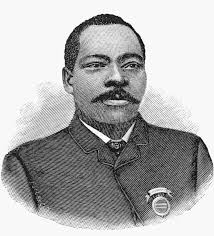
Inventor: Granville T. Woods, of New York, N.Y.
Patent Number: 507,606
Date of Patent: October 31, 1893
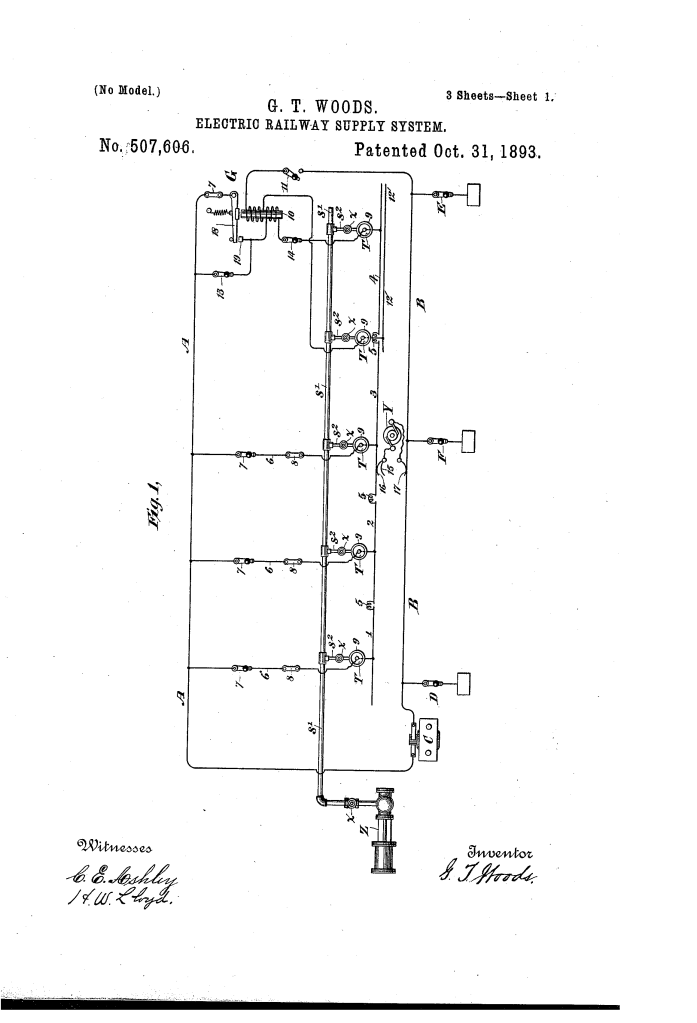
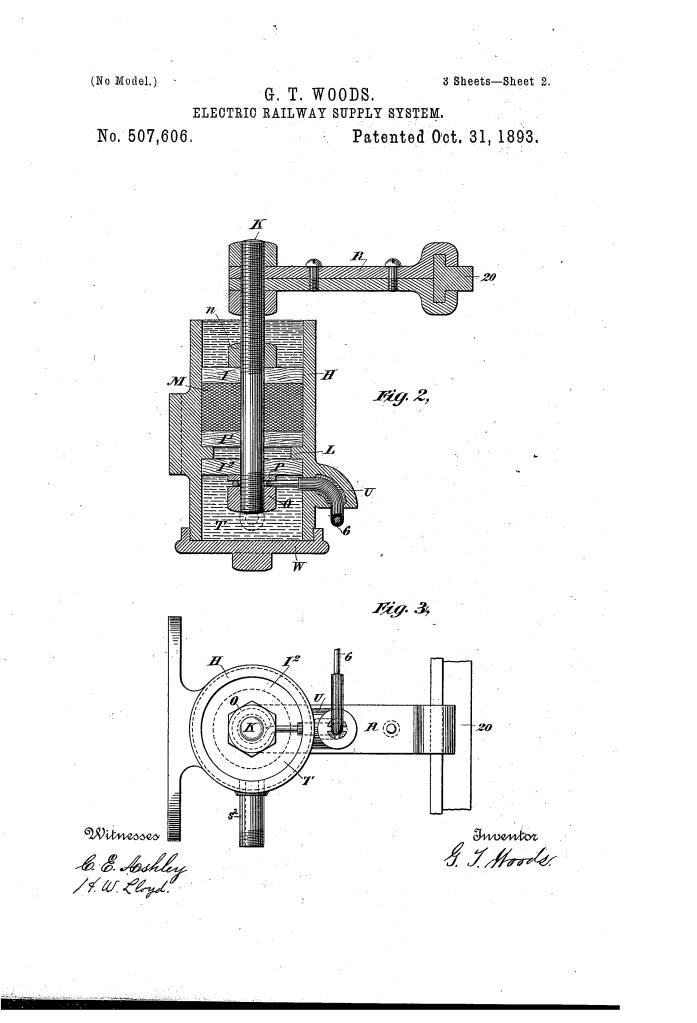
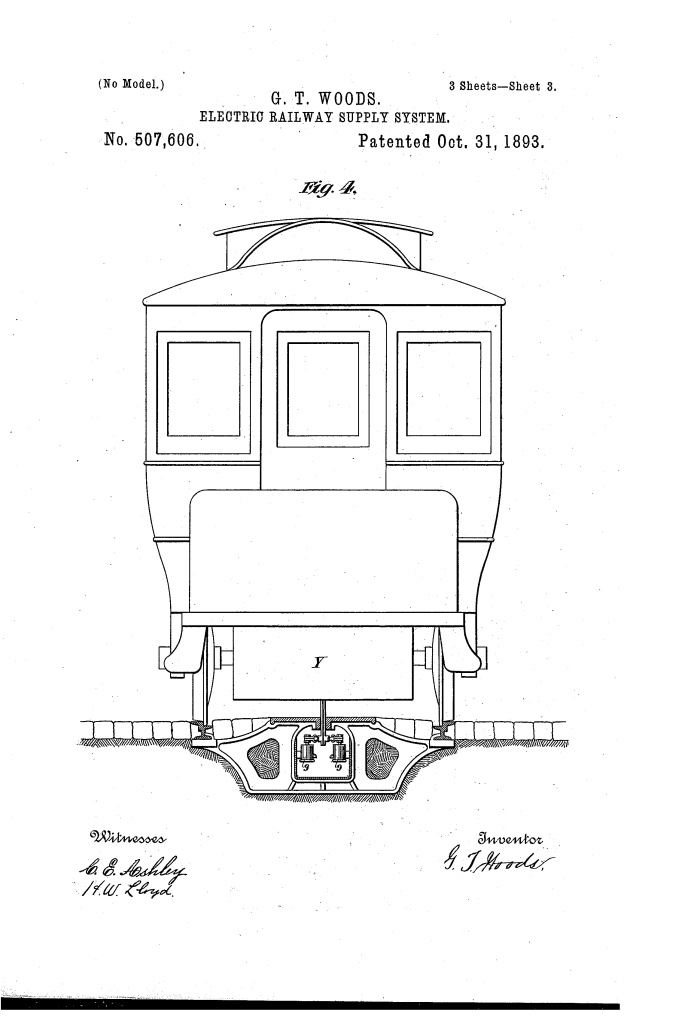
Description: Granville T. Woods’s patent for an “Electric Railway Supply System” describes an innovative method for powering streetcars from an underground conduit. The system was designed to solve the problems of dangerous overhead wires and unreliable exposed underground conductors. Its core innovation was the use of a liquid insulator, such as oil, delivered under pressure to the electrical conductors within a sealed conduit. The conductors were supported by special insulating devices filled with a porous material, which would be continuously supplied with this fluid insulation. Power was only supplied to a terminal when a streetcar was directly over it, controlled by external electromagnetic switches located in a case on the side of the road. This kept the system insulated and safe from water and debris.
Societal Impact and Legacy
Woods’s invention was a creative and advanced solution to a major challenge in urban infrastructure.
- Improved Safety and Aesthetics: The invention contributed to the development of a viable alternative to overhead electric lines, which were dangerous and unsightly. His system of only electrifying a segment of track when a vehicle was on it is a precursor to modern Ground-Level Power Supply (GLPS) systems used today.
- Modern Relevance: The core concept of using a liquid insulator to protect a conductor from moisture is still a fundamental principle in electrical engineering, as seen in the mineral oil used in high-voltage transformers and circuit breakers.
- The Inventor’s Legacy: Granville T. Woods was a brilliant and prolific African American inventor who held over 60 patents. Known as the “Black Edison,” his inventions were often so groundbreaking that he was forced to defend them against major corporations. This patent, along with his others, demonstrates his profound understanding of electrical engineering and his role in laying the groundwork for modern electrical systems.
