
Differential Vacuum Pump (David N. Crosthwait, Jr., No. 1,755,430)
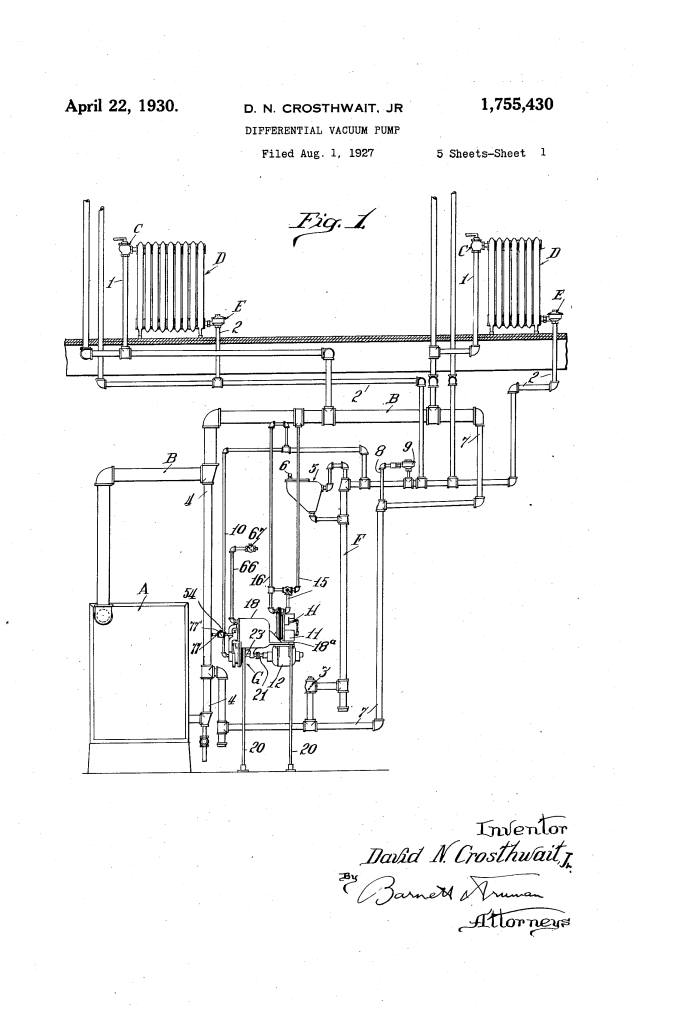
The patent by David N. Crosthwait, Jr. of Marshalltown, Iowa, describes an improved Differential Vacuum Pump (Patent No. 1,755,430, 1930). This invention is a high-speed, liquid-piston vacuum pump designed specifically for use in large-scale steam heating systems. Crosthwait’s primary objective was to provide an efficient and economical means of exhausting air and non-condensable gases from return mains, thereby maintaining a precise pressure differential between the supply and return sides of the heating system. His innovation features a unique dual-impeller channel system and interlocking water circuits that allow the pump to move large volumes of air with minimal power consumption.
Inventor Background: David N. Crosthwait, Jr.
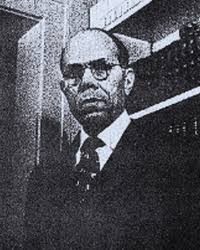
David Nelson Crosthwait, Jr. (1898–1976) was a pioneering African American mechanical engineer and a master of thermodynamics. Throughout his career at the C. A. Dunham Company, he was instrumental in developing the heating systems for major American landmarks, including Radio City Music Hall and the Rockefeller Center. This 1930 patent showcases his ability to solve the complex fluid dynamics problems of urban infrastructure. Crosthwait was a trailblazer in the field of HVAC (Heating, Ventilation, and Air Conditioning), holding 39 U.S. patents and becoming the first Black fellow of the American Society of Heating, Refrigerating and Air-Conditioning Engineers (ASHRAE).
Key Mechanical & Fluid Systems
The pump creates a vacuum by using water as a “liquid piston” that moves in and out of rotating channels.
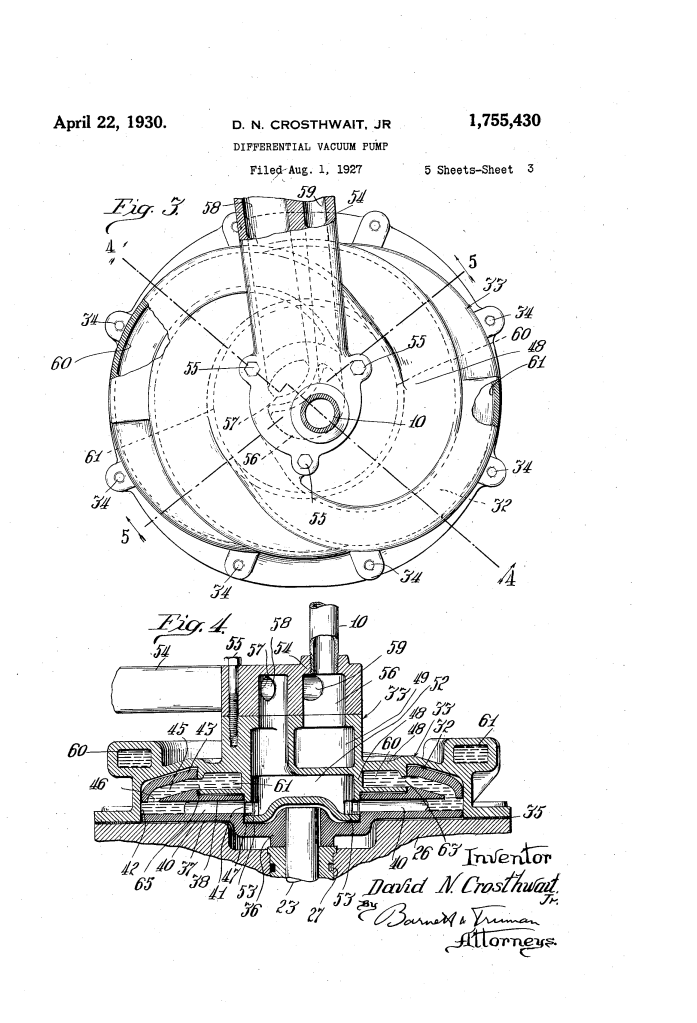
1. The Dual-Channel Impeller (32, 40, 45)
- Radial Channels (40): A series of long, radial passages open at both ends.
- Auxiliary Channels (45): A second series of shorter, parallel channels that open into the outer ends of the radial channels.
- Function: The impeller acts like a rotating “engine.” The auxiliary channels (45) serve as the water injection ports, while the radial channels (40) serve as the air compression chambers.
2. The Liquid Piston Cycle (Fig. 8)
- Suction Stroke: As the impeller rotates, centrifugal force throws water out of the radial channel (40) into the casing. This creates a vacuum within the channel, which sucks air in through an inlet port (51).
- Compression Stroke: Water is then forced back into the channel from the auxiliary ports (45). This “piston” of water moves inward, compressing the air and forcing it out through the discharge port (53).
- Action: This cycle occurs twice per revolution, providing a steady, high-volume flow of air without the friction and wear of solid mechanical pistons.
3. Interlocking Water Circulating Systems (60, 61)
- The Conduits: The casing (33) contains two separate, overlapping water passages (60 and 61).
- The Overlap: The water expelled from one channel in the impeller is captured by a conduit and re-injected into a different channel 180 degrees later.
- Function: This ensures that the water is continuously recycled. By using two interlocking systems, Crosthwait balanced the mechanical loads on the impeller, allowing for higher speeds and a smoother “suction” that doesn’t pulse or vibrate.
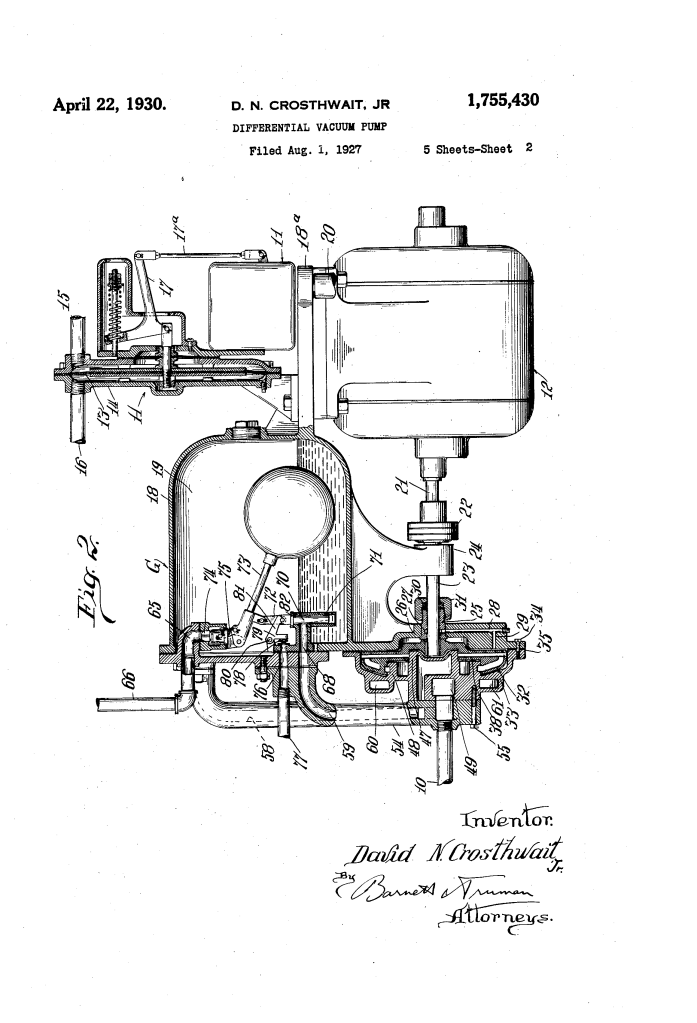
4. Automatic Separator and Return (19, 70, 78)
- Separating Chamber (19): Exhausted air and atomized water enter this tank.
- The Float (73): A float-operated lever controls a slide-valve (70) to return water to the pump and a waste valve (78) to send excess condensate back to the boiler.
- Function: This ensures the pump never runs dry while also preventing it from becoming flooded with excess water from the heating system.
Improvements Over Standard Vacuum Pumps
| Feature | Standard Reciprocating Pumps | Crosthwait’s Differential Pump |
| Wear & Tear | High; metal pistons/valves wear down. | Minimal; water acts as the moving piston. |
| Speed | Limited by mechanical inertia. | High-speed rotary action. |
| Efficiency | Significant power loss to friction. | Economical; utilizes centrifugal momentum. |
| Maintenance | Requires frequent seal replacements. | Self-priming and water-lubricated. |
Significance to HVAC and Building Engineering
David N. Crosthwait, Jr.’s vacuum pump influenced the development of modern central heating and industrial fluid management.
- The Foundations of “Sub-Atmospheric” Heating: This pump was the mechanical engine behind the Dunham Differential Vacuum Heating System, which allowed large buildings to be heated with low-temperature steam, saving massive amounts of fuel.
- Liquid Piston Dynamics: Crosthwait’s mastery of using fluids to compress gases anticipated modern rotary liquid-ring compressors used in chemical processing and medical suction systems.
- Automated Differential Control: The pump’s integration with a diaphragm controller (H) demonstrated an early form of automated building management (BMS), where mechanical sensors adjust machinery to maintain environmental stability.
- Industrial Resilience: Designed to handle the harsh conditions of a steam basement, the pump’s simple but robust construction set a standard for industrial longevity and reliability.
