
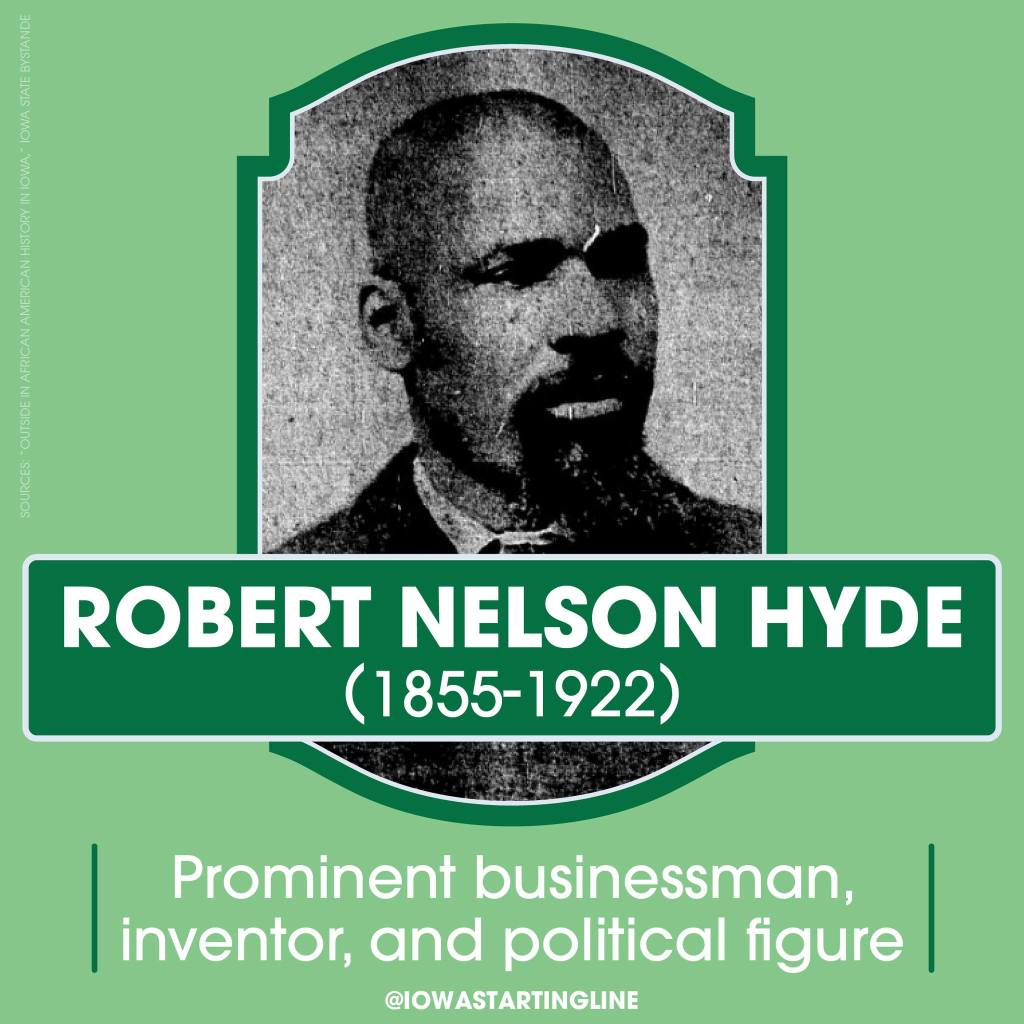
Compound for Cleaning and Preserving Carpets; Robert N. Hyde; Patent No. 392,205
The patent by Robert N. Hyde of Des Moines, Iowa, describes a Compound for Cleaning and Preserving Carpets (Patent No. 392,205). This invention is a specialized chemical detersive fluid designed to simultaneously deep-clean textile fibers and impregnate them with an insect-repelling aromatic oil to prevent damage from moths and other pests.
The “Why”
In the late 19th century, carpets were significant household investments, but they were notoriously difficult to maintain. The “pain point” Hyde addressed was twofold: physical labor and biological decay. Standard cleaning required ripping carpets up from the floor to beat out dust, and once cleaned, they remained highly susceptible to carpet beetles and moths. Hyde sought a solution that allowed for “in-place” cleaning while providing a long-lasting, pleasant-smelling chemical shield against fiber-destroying insects.
Inventor Section: Robert N. Hyde
Robert N. Hyde was a Black entrepreneur and inventor operating in Des Moines during the post-Reconstruction era. His engineering philosophy centered on efficiency through chemistry. In an era where many Black innovators were excluded from traditional mechanical guilds, Hyde utilized the burgeoning field of domestic science to create a commercial product. He wasn’t just making a soap; he was “manufacturing and merchandising” a standardized solution—a sophisticated business move in 1888 that challenged the socio-economic barriers of the Jim Crow era by asserting intellectual property over a scalable consumer good.
Key Systems Section
The Detersive Base
- Soluble Soap & Aqua-Ammonia: Hyde utilizes ammonia as a powerful degreaser to break down organic proteins and oils trapped in carpet fibers.
- Pulverized Borax: Acts as a water softener and a mild abrasive/bleaching agent to restore “brightness” to the fabric without damaging the underlying weave.
The Preservative Carrier
- Alcohol & Bay Rum: These act as solvents to ensure the essential oils stay in suspension. They also facilitate rapid evaporation after application, preventing the moisture from lingering and causing mold in the carpet padding.
The Insecticidal Mechanism
- Oil of Sassafras: This is the “active ingredient” of Hyde’s innovation. By using a “pungent oil” that is uniformly distributed during the wash, the fibers are coated in a botanical repellent that is lethal or deterrent to larvae but pleasant to human residents.
Comparison Table
| Feature | Standard Methods (c. 1888) | The Hyde Innovation |
| Installation | Must be removed/taken up from floor. | Can be cleaned while remaining on the floor. |
| Pest Control | Carbolic acid (offensive, toxic odor). | Oil of Sassafras (aromatic/pleasant). |
| Process | Multi-step: Beat, wash, dry, treat. | Single-step: “Simultaneously performed.” |
| Cost/Access | Expensive chemicals or heavy manual labor. | Scalable, bottled fluid for home use. |
Significance
- Precursor to Modern “Dry” Cleaning: The focus on rapid-evaporation solvents and in-place cleaning mirrors modern upholstery maintenance.
- Integrated Pest Management: Hyde pioneered the idea of “built-in” protection, where the cleaning agent leaves behind a functional residue.
- Consumer Packaging: The patent explicitly mentions the product is “adapted to be put up in bottles,” signifying an early move toward the mass-marketed household chemical industry.
