

Child’s Carriage: William H. Richardson (Patent No. 405,600)
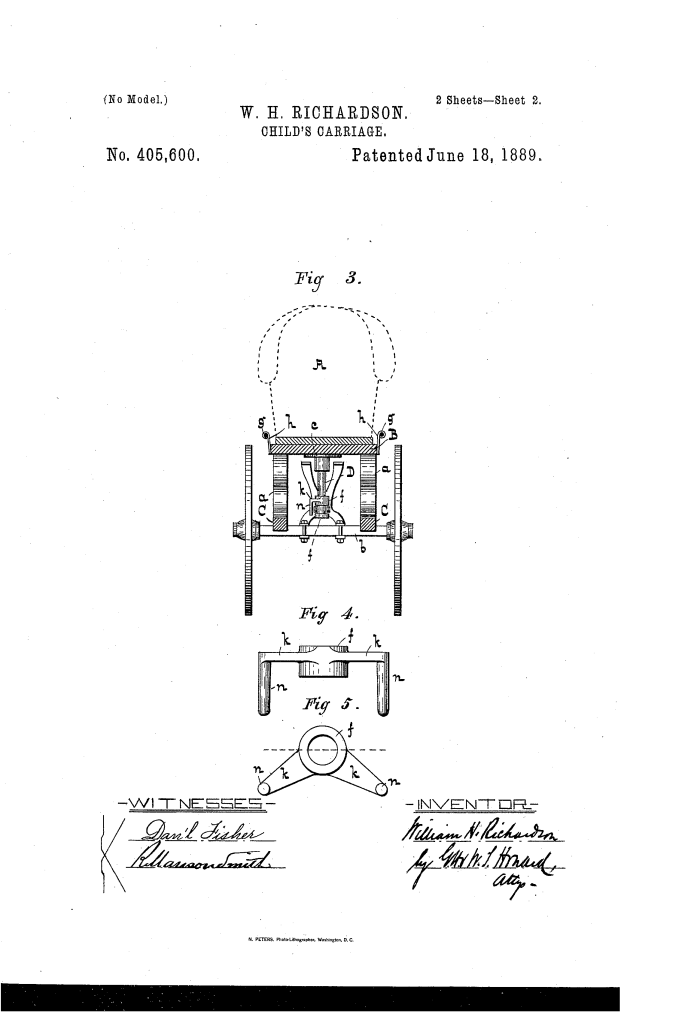
The patent by William H. Richardson of Baltimore, Maryland, describes an Improvement in Children’s Carriages (Patent No. 405,600), issued June 18, 1889. This invention is an improvement on his previous child’s carriage patent. The new invention adds a critical safety feature to his earlier design, which allowed the carriage body to be lifted and fully rotated.
The “Why”
In the late 19th century, baby carriages were rigid, forward-facing wooden or wicker boxes. If a parent wanted to change the child’s view or shield them from wind/sun, they had to physically lift the entire heavy carriage and turn it around. Furthermore, earlier rotating designs were unstable; a “careless or incompetent” operator (as Richardson noted) could spin the carriage body 360 degrees, potentially tangling the mechanicals or causing the child distress. Richardson sought to provide ergonomic versatility and mechanical safety stops.
Inventor Section: William H. Richardson
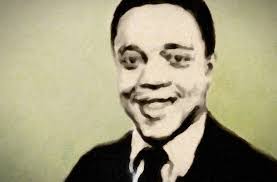
William H. Richardson was a prolific Black inventor during the post-Reconstruction era, a time when the “Jim Crow” laws began to severely restrict the rights of African Americans. Despite these systemic barriers, Richardson’s engineering philosophy was rooted in human-centric design. He didn’t just want to make a carriage move; he wanted to improve the interaction between the caregiver and the infant. His 1889 patent revolutionized the industry, moving the world away from “axle-and-box” carts toward the maneuverable, adjustable strollers we recognize today.
Key Systems Section
1. The Elevation & Rotation Assembly (The King-Bolt)
Instead of the body being fixed to the frame, Richardson utilized a central vertical axis (King-bolt D).
- Modern Term: Pivot spindle or swivel joint.
- The bolt passes through a socket in the tray, acting as the primary load-bearing member during rotation.
2. The Actuation Lever (The Lever E)
A long-arm lever extends toward the operator, allowing for the mechanical advantage needed to lift the carriage body.
- Modern Term: Linear actuator or lift-linkage.
- By depressing the lever, the “short arm” lifts the king-bolt, raising the carriage body out of its recessed safety tray so it can clear the side rails for rotation.
3. The Rotational Limiter (The Safety Stop)
To solve the “360-degree spin” problem, Richardson engineered a collar with specific arms ($k$) and studs ($n$).
- Modern Term: Mechanical limit switch or travel stop.
- These studs strike the lever arm at a $180^\circ$ interval (adjusted for the thickness of the lever), ensuring the carriage can only face forward or backward, never sideways.
Comparison Table
| Feature | Standard Methods (Pre-1889) | Richardson’s Innovation |
| Orientation | Fixed (Forward-facing only). | Reversible (Parent or Forward-facing). |
| Maneuverability | Rigid axles; difficult to turn. | Independent Swivel via King-bolt. |
| Safety | Body bolted to “running gear.” | Recessed Tray with locking stops. |
| Operator Effort | Physical lifting required to turn. | Lever-assisted elevation and rotation. |
Significance Section
- Foundational Stroller Design: This is the direct ancestor of the modern “reversible” stroller found in high-end juvenile products today.
- Safety Engineering: Introduced the concept of “travel limits” in consumer products to prevent user error.
- Structural Independence: By separating the “body” from the “running gear” (chassis), Richardson paved the way for modular transport systems.
