
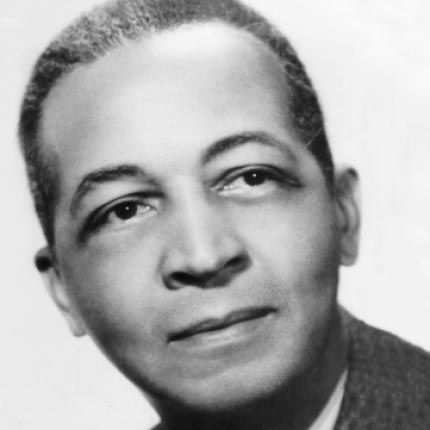
Capsicum-Containing Seasoning Composition, Lloyd A. Hall (1945)
Patented in September 1945, this invention by Lloyd A. Hall (assigned to The Griffith Laboratories, Inc.) addressed a high-stakes aesthetic problem in the food industry: the “bleaching” of paprika and chili-based seasonings. During the 1940s, dry spice mixes for meats and sausages often turned a sickly white or gray on the shelf, making them look spoiled or deteriorated.
Hall’s Capsicum-Containing Seasoning Composition was a chemical solution to this cosmetic crisis. By utilizing a liquid “buffer” system, he found a way to neutralize the microscopic acids that triggered color loss, ensuring that meat products like hamburger and meatloaf stayed a vibrant, appetizing red.
The “Why”
The red color in peppers (capsicum) comes from sensitive organic pigments. Hall discovered that when Oleoresin of Capsicum (the concentrated oil of red peppers) is spread over common carriers like salt (sodium chloride) or corn sugar (dextrose), a chemical reaction occurs.
- Traces of strong mineral acids in the sugar or the reaction of salt with moisture create an acidic environment.
- This acidity, accelerated by light, oxidizes the red pigment, causing it to bleach.
- Hall needed a way to stop this “photogenic action” without making the seasoning wet, clumpy, or inedible.
Inventor Section: Engineering Philosophy
Lloyd A. Hall’s philosophy was Micro-Distribution through Solubility. In his previous patents, he tried adding buffer salts as dry crystals, but they weren’t efficient because they only touched a small portion of the capsicum oil. In this 1945 patent, he realized the buffer needed to be pre-dissolved in a liquid to coat every single grain of salt or sugar. To prevent this liquid from turning the spice mix into a soggy brick, he introduced a “hygroscopic” stabilizer.
Key Systems Section
1. The Liquid Buffer Solution
Instead of dry powder, Hall created a concentrated “liquid shield.”
- The Buffer Salts: He used salts of strong bases and weak organic acids (like Sodium Citrate or Ammonium Citrate).
- The Reaction: These salts act as “acid sponges.” When a strong, bleach-inducing mineral acid appears, the buffer salt swaps its strong base for the strong acid, converting it into a harmless, weak organic acid.
- The “Liquid” Advantage: By using a solution, Hall could use 80% less buffer salt than in previous dry methods while achieving superior color stability.
2. The Anti-Caking Stabilizer (Hygroscopic Agents)
Adding water to salt or sugar usually causes “caking” (hardening into a solid block). Hall solved this by adding Polyhydric Alcohols.
- The Agents: Glycerine, Propylene Glycol, or Ethylene Glycol.
- The Function: These liquids are “hygroscopic,” meaning they hold onto water molecules and prevent them from migrating between salt crystals.
- The Result: The seasoning remains a free-flowing, dry-to-the-touch powder despite containing an aqueous (water-based) buffer solution.
3. Solving the “Corn Sugar” Problem
Previously, it was thought that only salt caused bleaching. Hall identified that Corn Sugar (dextrose) was also a culprit.
- The Trace Impurity: Because corn sugar is made by the acid hydrolysis of corn starch, it often carries microscopic traces of the strong mineral acids used in its manufacture.
- The Correction: Hall’s liquid buffer specifically targets these “carry-over” acids in corn sugar, making it a safe carrier for red pepper oils for the first time.
The Formula: A Typical Hall Seasoning Mix
| Ingredient | Role | Note |
| Sodium Chloride | Carrier | Provides the bulk and “saltiness.” |
| Oleoresin of Capsicum | Flavor/Color | The red pepper oil prone to bleaching. |
| Ammonium Citrate Solution | The Buffer | Pre-dissolved in water to neutralize acids. |
| Propylene Glycol | Stabilizer | Prevents the mix from caking/hardening. |
| Essential Oils | Flavor | Spices like ginger or cloves. |
Significance
Lloyd A. Hall’s work for Griffith Laboratories fundamentally changed the commercial shelf life of processed foods:
- Visual Appeal: By preventing bleaching, Hall ensured that consumers perceived products as “fresh,” reducing food waste caused by unappealing (but safe) color changes.
- Chemical Efficiency: His move from dry-mixing to liquid-saturated solutions was a leap forward in colloidal chemistry for the food industry.
- Industrial Standard: This “Hall Method” of stabilization became a cornerstone for the modern spice and seasoning industry, allowing for the mass production of the dry “pre-mixes” used in grocery stores and butcher shops today.
Final Insight: Lloyd A. Hall was a master of “Invisible Engineering.” Most people never see the chemical buffers in their food, but without them, the vibrant colors we associate with fresh seasoning would vanish within days of reaching the shelf.
