
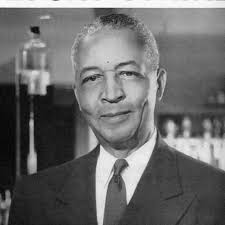
Antioxidant Salt, Lloyd A. Hall and Louis Sair (1950)
Patented on June 13, 1950, this invention (U.S. Patent No. 2,511,004) represents a brilliant tactical shift in food preservation. Lloyd A. Hall and Louis Sair identified a critical weakness in how snack foods were being protected: the “cooking barrier.”
Previously, antioxidants were added to the frying oil. However, the extreme heat of deep-frying (often 350F to 400F) would destroy or “cook off” the protective chemicals before the food even left the vat. Hall and Sair realized that since almost all fried snacks—like potato chips and nuts—are salted after cooking, the salt itself could serve as the “trojan horse” to deliver fresh, active antioxidants directly to the surface of the hot, oil-soaked food.
The “Why”
- The Heat Problem: High temperatures during frying degrade standard antioxidants. By adding the protection via salt after frying, the chemicals remain at full strength.
- The Distribution Problem: Sprinkling a microscopic amount of pure antioxidant over chips is impossible. By binding the antioxidant to salt grains, the protection is perfectly dispersed as the food is salted.
- The “Oil-to-Salt” Transfer: Once the antioxidant salt touches the warm, oily surface of a potato chip, the antioxidant dissolves into the oil film, stabilizing the entire snack from the outside in.
Key Systems Section
1. The Adhesive “Polyhydric” Carrier
To get dry antioxidant powders to stick to a grain of salt without making it a clumpy mess, Hall used a non-toxic polyhydric alcohol (Propylene Glycol or Glycerine).
- The Solution: The gallic esters and organic acids are dissolved in the glycol.
- The Result: This liquid mixture creates a microscopic, anhydrous (water-free) coating on each salt crystal. The salt remains free-flowing and dry to the touch but carries a powerful chemical shield.
2. Synergistic Ingredients
The patent utilizes the same synergistic chemistry Hall pioneered in his other 1950 patents, but optimized for salt stability:
- Primary Antioxidant: Propyl, Hexyl, or Lauryl Gallates.
- Synergist Acid: Citric, Ascorbic, or Phosphoric Acids.
- The “Active Oxygen Method” (A.O.M.): Hall proved that chips treated with this salt lasted significantly longer. For example, untreated potato chips became “very rancid” in just 3 days, while those with antioxidant salt were still good after 17+ days.
Performance Data: The “Rancidity Gap”
| Food Product | Storage Condition | Salt Type | Days to Rancidity |
| Potato Chips | 140F (Accelerated) | Plain Salt | 3 Days |
| Potato Chips | 140F (Accelerated) | Antioxidant Salt | 21 Days |
| Peanuts | 140F (Accelerated) | Plain Salt | 3 Days |
| Peanuts | 140F (Accelerated) | Antioxidant Salt | 25+ Days |
Composition Breakdown (The “Recipe”)
Hall and Sair provided a specific formula to ensure the salt stayed “free-flowing” and didn’t clump in industrial shakers:
| Component | Concentration in Final Salt |
| Propyl Gallate (The Shield) | ~0.10% |
| Citric Acid (The Helper) | ~0.10% |
| Propylene Glycol (The Glue) | ~0.20% |
| Table Salt (The Carrier) | ~99.60% |
Significance
This patent was a game-changer for the snack food industry:
- The Snack Revolution: It made the mass production of potato chips and bagged nuts commercially viable by extending their shelf life from a few days to several weeks or months.
- Ingredient Efficiency: It required much less antioxidant because the chemicals weren’t being wasted or destroyed in the frying oil.
- Consumer Acceptance: Because the ingredients were non-toxic and used in such tiny amounts, they didn’t change the flavor profile of the snacks consumers loved.
Final Insight: By turning salt from a simple seasoning into a high-tech delivery system, Lloyd A. Hall and Louis Sair effectively “armor-plated” the American snack aisle. This was the final piece of Hall’s 1950 “triple threat” of patents (Flakes, Salts, and Synergistic Blends) that defined modern food stability.
