
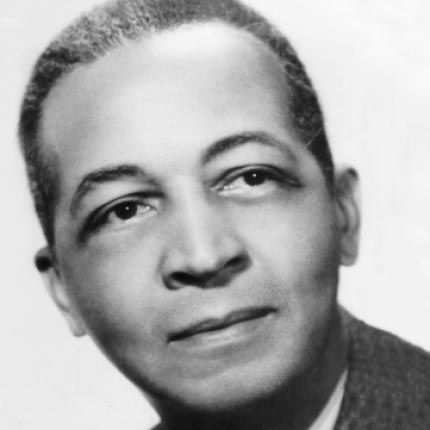
Antioxidant Composition for Fatty Emulsions, Lloyd A. Hall (1950)
Patented on March 14, 1950, this invention (U.S. Patent No. 2,500,543) represents a breakthrough in food preservation, specifically for fatty emulsions and powdered dairy/egg products.
While Lloyd A. Hall had previously developed antioxidants for pure fats and oils, those solutions often failed when water was present. This patent solved the “water-miscibility” problem, allowing antioxidants to protect foods that are a mix of fat and moisture, such as mayonnaise, salad dressings, and liquid eggs before they are spray-dried.
The “Why”
In the 1940s, products like powdered milk and powdered eggs were notorious for going rancid quickly. This was a major issue for military rations and long-term food storage.
- The Solubility Barrier: Powerful antioxidants like propyl gallate are excellent at protecting fat, but they are practically insoluble in water.
- The Emulsion Problem: In a product like liquid egg (which is roughly 74% water and 10% fat), a standard oil-based antioxidant would separate from the water phase, leaving the fat unprotected and leading to “unpalatability.”
- The Solution: Hall discovered that Propylene Glycol acts as a perfect “universal carrier.” It dissolves the antioxidant easily and, unlike oil, is water-miscible (mixes perfectly with water).
Inventor Section: Lloyd A. Hall
Lloyd A. Hall’s engineering philosophy for this patent was Molecular Dispersion. He realized that to protect fat in a high-moisture environment, the antioxidant had to be dispersed evenly throughout the entire liquid before processing. By using a non-toxic, water-miscible solvent, he ensured the antioxidant could “travel” through the water to coat every microscopic globule of fat.
Key Systems Section
1. The Propylene Glycol Carrier
Propylene glycol was the “secret weapon” of this patent.
- Dual Nature: It is a rare solvent that can dissolve organic esters (like propyl gallate) while remaining completely mixable with water.
- Non-Toxicity: Hall cited chronic toxicity studies to prove it was a safe, edible carrier for food products.
- Processing: Hall dissolved 4 lbs of propyl gallate into 96 lbs of propylene glycol at 120°F, creating a clear, stable liquid that could be easily pumped into industrial food vats.
2. Protection for Powdered Foods
This invention revolutionized the production of “spray-dried” powders.
- Egg Powder: Liquid eggs are whipped into an emulsion before being sprayed into a dryer. By adding Hall’s composition to the liquid before drying, the fat in the resulting powder (which is about 45-50% fat) is pre-protected against oxygen.
- Milk Powder: Whole milk powder contains 25-35% butterfat. Hall’s antioxidant allowed milk powder to be stored without expensive “gas-packing” (replacing oxygen in the tin with nitrogen).
3. Targeted Concentration
Because the carrier is so effective, Hall was able to protect massive amounts of food with tiny amounts of active ingredients.
- Propyl Gallate: Only .0005% to .005% relative to the weight of the fat is needed for full protection.
- Application: For 100 lbs of fat, only about 4 oz of the propylene glycol solution is required.
Comparison: Standard vs. Hall’s Antioxidant
| Feature | Standard Oil-Based Antioxidant | Hall’s Propylene Glycol Solution |
| Water Miscibility | None (Separates) | Complete (Mixes perfectly) |
| Fat Protection | Only in pure oils | In emulsions, liquids, and powders |
| Main Use Case | Lard, shortening | Milk powder, egg powder, mayo |
| Stability | Variable in moisture | High stability in moisture-rich environments |
Significance
Lloyd A. Hall’s work on this patent had a massive impact on the post-war food industry:
- Military and Relief: It made “survival foods” like powdered eggs and milk palatable and nutritious for much longer periods.
- Consumer Goods: It stabilized mayonnaise and salad dressings, allowing them to sit on grocery shelves without refrigeration for longer durations.
- Industrial Efficiency: It removed the need for vacuum-sealing or specialized gas-packing for many dry goods, significantly lowering the cost of production.
Final Insight: This patent shows Hall’s ability to think about the “environment” of the food. He didn’t just look at the fat; he looked at the water surrounding the fat. By solving the solvent problem, he made high-quality nutrition more accessible and durable.
