
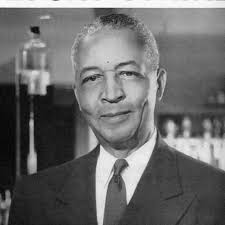
Antioxidant Flakes, Lloyd A. Hall (1950)
Patented on June 13, 1950, this invention (U.S. Patent No. 2,511,004) marks a significant evolution in food preservation technology. Lloyd A. Hall took his discovery of synergistic antioxidants (combining organic acids with gallic esters) and solved the practical problem of delivery and solubility.
While liquid or powder antioxidants were effective, they were often difficult to measure accurately in large industrial settings or required volatile solvents that small-scale rendering plants couldn’t handle. Hall’s solution was to encapsulate the antioxidant in hydrogenated edible oil flakes, creating a stable, easy-to-use “solid concentrate” that dissolved perfectly into hot fats and oils.
The “Why”
- The Measurement Problem: Adding tiny amounts of pure antioxidant powder (like 0.01%) to a massive vat of lard is prone to error. Flakes allow for a more forgiving measurement.
- Metal Discoloration: Trace amounts of metals like iron or copper in processing equipment can react with fats to cause gray or brown discoloration. Hall’s use of citric or phosphoric acid acts as a “sequestrant,” binding to these metals to keep white fats (like lard) pure.
- The Water Extraction Issue: In baked goods, water can actually “pull” the antioxidant out of the fat, leaving the finished pastry vulnerable to going rancid. Hall discovered that using specific esters like Hexyl Gallate made the antioxidant more “fat-soluble” and resistant to water extraction.
Key Systems Section
1. The Flaking Process
The invention is a two-step manufacturing process:
- The Concentrate: A high-strength mixture of gallic ester (e.g., Propyl Gallate) and antioxidant acid (e.g., Citric Acid) is dissolved in melted hydrogenated fat.
- The Final Product: This concentrate is mixed into a larger body of melted hydrogenated fat (which is solid at room temperature). This liquid is then run over commercial flaking rollers—chilled drums that freeze the fat into thin, easy-to-scoop flakes.
2. Solubility and “Carry-Through”
Hall specifically addressed the “Active Oxygen Method” (A.O.M.) performance in baked goods.
- The Challenge: Some antioxidants work great in a jar of oil but fail once that oil is baked into a cracker or cookie.
- The Solution: By moving from Propyl Gallate to Hexyl or Lauryl Gallate, Hall increased the fat-solubility of the protector.
- Lecithin: He also discovered that adding lecithin helped “lock” the antioxidant into the fat by emulsifying tiny amounts of water, preventing the protection from being washed away during the mixing of dough.
Composition Breakdown
| Ingredient | Role | Concentration in Flakes |
| Gallic Ester | Primary Antioxidant (Stops oxygen) | 0.015% to 0.75% |
| Antioxidant Acid | Synergist & Metal Sequestrant | 0.015% to 0.70% |
| Hydrogenated Fat | Carrier and Stabilizer | 98.55% to 99.97% |
Example of Efficacy: Hall found that adding just 3 pounds of these flakes to 97 pounds of untreated lard increased its shelf stability from a measly 4 hours to a staggering 60 hours under accelerated testing.
The Chemical “Family” of the Flakes
The Esters (The Protectors)
Hall identified a hierarchy of effectiveness based on how long the “tail” of the molecule was:
- Methyl/Ethyl/Propyl Gallate: Great initial protection, but more likely to be extracted by water.
- Hexyl Gallate: The “Sweet Spot.” Highly fat-soluble and provides high antioxidant value.
- Lauryl Gallate: The most fat-soluble, but slightly lower initial antioxidant power.
The Acids (The Helpers)
These acids do the “dirty work” of cleaning up metal ions:
- Citric Acid: The most common and effective synergist.
- Phosphoric Acid: Excellent for preventing discoloration in the presence of iron.
- Ascorbic Acid (Vitamin C): Provides a non-toxic, nutritional boost to the preservation.
Significance
Lloyd A. Hall’s “Antioxidant Flakes” were a masterpiece of industrial pragmatism:
- User-Friendly: They could be stored in bags at room temperature and tossed into a rendering tank like chocolate chips.
- Anhydrous (Water-Free): By keeping the entire system anhydrous, Hall prevented the growth of mold or bacteria within the antioxidant itself.
- Economic Impact: It allowed the “Swift Stability” standards to be met by any size food producer, ensuring that the entire “Cold Chain” (supported by Frederick Jones’s cooling units) was backed up by “Chemical Stability.”
Final Insight: If Frederick M. Jones provided the refrigerator for the food, Lloyd A. Hall provided the immune system for the food. Together, their 1950 patents ensured that the American food supply was both cold and chemically protected from the moment of production to the moment of consumption.
