
Antioxidant Composition (1956)
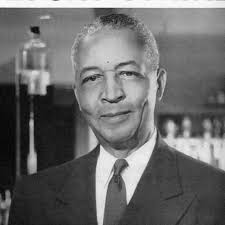
U.S. Patent No. 2,758,931, granted on August 14, 1956, to Lloyd A. Hall, describes a specialized antioxidant blend designed to prevent rancidity in edible fats and oils. Lloyd Hall, a prolific chemist and the technical director of The Griffith Laboratories, was a pioneer in food preservation.
This specific invention solved a persistent problem in the food industry: how to keep antioxidant mixtures clear, stable, and free of sediment when stored in oil, while simultaneously improving their ability to protect food from spoilage.
The Innovation: The “Glycerin Fortification”
Antioxidants like propyl gallate and citric acid are highly effective but often difficult to dissolve directly into fats. Hall had previously discovered that reacting citric acid with fatty monoglycerides created “fatty monoglyceride citrate,” which made the citric acid fat-soluble.
However, these mixtures often became cloudy or developed sediment over time. Hall’s breakthrough in this patent was the addition of a “minor proportion” of glycerin (0.5% to 2.5%).
Why Glycerin?
- Clarity: It acts as a stabilizing agent that keeps the various chemical components in a “brilliant” clear solution.
- Anti-Sedimentation: It prevents the active antioxidants from falling out of the solution and settling at the bottom of the container.
- Miscibility: It ensures the antioxidant concentrate blends seamlessly into large batches of lard, vegetable oil, or shortening.
Key Chemical Components
The composition is a synergistic blend where each ingredient plays a specific role:
| Component | Function |
| Fatty Monoglyceride Citrate | A fat-soluble form of citric acid that acts as a synergist (boosts other antioxidants) and metal sequesterant (stops metals from starting the oxidation process). |
| Propyl Gallate | The primary antioxidant that neutralizes free radicals to prevent fat from turning rancid. |
| Glycerin | The “fortifier” that ensures clarity, stability, and resistance to sedimentation. |
| BHA (Butylated Hydroxyanisole) | Often added to the mix to provide “carry-through” protection (stability that survives the high heat of baking or frying). |
| Edible Oil (e.g., Corn or Rice Oil) | The carrier liquid used to dilute the concentrate for industrial use. |
Performance: Preventing Rancidity
Hall’s patent provides dramatic evidence of the composition’s effectiveness using the Active Oxygen Method (AOM), which measures how long a fat stays fresh under stress.
Test Results on Commercial Lard:
- Lard with NO antioxidant: Became rancid in 4.5 hours.
- Lard with Hall’s Antioxidant: Remained fresh for 37.0 hours.
- Lard with BHA-fortified version: Remained fresh for 76.0 hours.
The Manufacturing Process
Hall outlined a precise “cooking” method to ensure the chemicals reacted correctly:
- Heat the cottonseed monoglyceride to 245–260°F.
- Add citric acid and agitate for 3 hours to create the monoglyceride citrate.
- Dissolve the propyl gallate into the hot mixture.
- Add glycerin at approximately 210°F and stir until clear.
- Dilute with edible oil (corn, rice, or olive oil) to create the final commercial product.
About the Inventor: Lloyd A. Hall
Lloyd Augustus Hall was one of the most significant African American chemists of the 20th century.
- Patents: He held over 100 patents related to food preservation, including the use of antioxidants, sterilization (using ethylene oxide), and meat curing salts (the “flash-drying” process).
- Impact: Before Hall’s work, food preservation relied heavily on salt and smoke, which were often unreliable. His work on antioxidants allowed for the mass production of shelf-stable oils and fats, fundamentally changing the global food supply chain.
- Legacy: Hall was a founding member of the Institute of Food Technologists and proved that complex chemical preservation could be achieved safely and economically.
Summary of Claims
The patent explicitly claims:
- A solution of fatty monoglyceride citrate and propyl gallate in a monoglyceride or edible oil.
- The use of glycerin specifically to improve “clarity and resistance to sedimentation.”
- Concentrations of the antioxidant mix between 17% and 42.5% for optimal stability.
