
Inventor: William B. Purvis Patent Number: 256,856 (US-0256856-A) Date of Patent: April 25, 1882 Invention: Bag-Fastener
Description of the Invention: William B. Purvis’s 1882 patent for a “Bag-Fastener” aimed to provide a convenient and cord-free method for sealing or binding paper packages and bags. His invention offered a more efficient and less expensive alternative to tying packages with string or cord, saving time and labor.
Key features of his design:
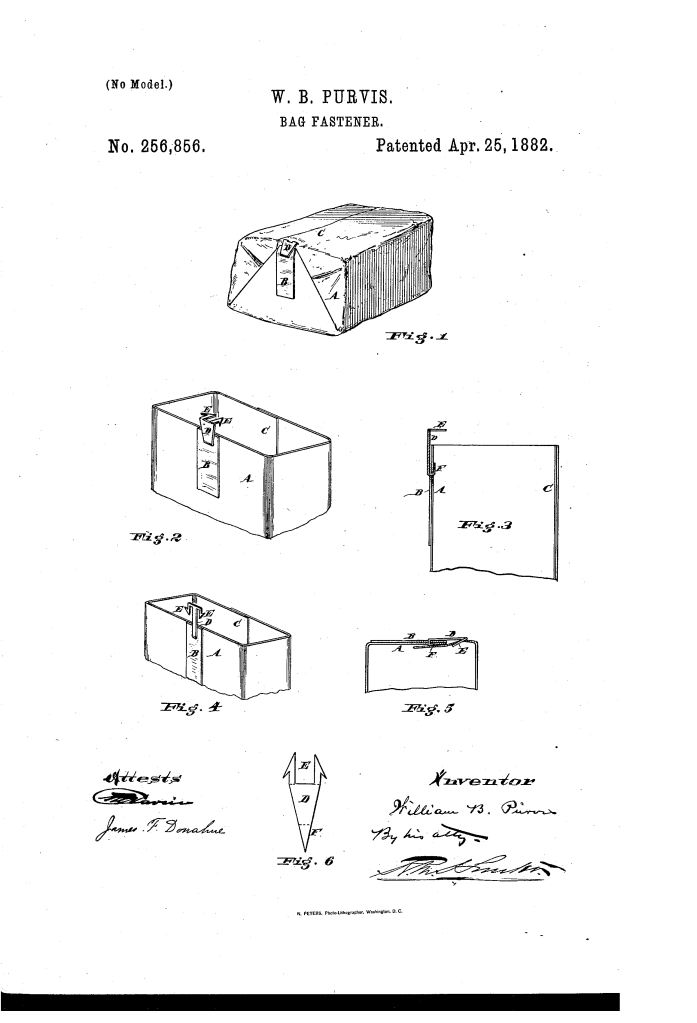
- Paper Slip (B): A paper or cloth slip (preferably paper) is secured by gum or paste to the open end of the bag (A), on the side opposite to the seam (C).
- Metallic Fastening-Piece (D): This is the core of the fastener. It’s made of metal and has two sets of prongs:
- Bottom Prong (F): A prong on the bottom is passed through the slip (B) and the bag (A) and then doubled over to secure the metallic piece to the bag.
- Top Prongs (E): One or more prongs on the top are designed to be bent at right angles (or can be parallel to the body in a modified form). These prongs are made light enough to easily pierce paper. If a single prong is used, it may have spurs to prevent slipping.
- Sealing Mechanism: When the bag is full and its top is folded over, the metallic fastener (D) is pressed down. The top prongs (E) are forced through the thick seam (C) of the folded bag. The spurs on the prongs prevent the bag from coming open unless considerable force is used to tear the fastener out.
Purpose of the Invention: The primary object of Purvis’s invention was to provide a quick, simple, durable, and inexpensive means to instantly seal or bind paper packages without the need for cord, which was costly and time-consuming. It was particularly adapted for paper bags but could also be applied to general wrapping papers.
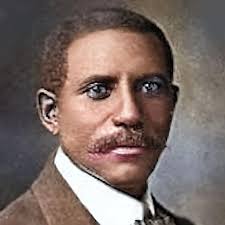
Personal Significance (William B. Purvis): William B. Purvis (1838-1914) was a prolific African American inventor and businessman from Philadelphia, Pennsylvania. Born into a wealthy and influential family, he was the grandson of the prominent abolitionist James Forten and nephew of Robert Purvis, another leading abolitionist. William Purvis inherited a keen mechanical inclination and became a self-taught inventor.
His “Bag-Fastener” patent is just one of many significant inventions he developed. Purvis received multiple patents in the late 19th century, including improvements to the hand stamp (1883), an updated fountain pen design (1890), and numerous patents for paper bag machines (starting in 1884). He also ventured into electric railway systems (1894, 1897) and a magnetic car balancing device (1895). Despite a business setback with the Sterling Paper Bag Company, which went bankrupt, his uncle Robert Purvis covered the debts, and William continued to innovate and sell his patents. His diverse portfolio of inventions showcases his broad mechanical aptitude and his dedication to improving everyday items and industrial processes.
Historical Significance: William B. Purvis’s “Bag-Fastener” holds historical importance in the context of packaging, consumer convenience, and African American innovation:
- Advancement in Packaging Technology: In the late 19th century, as commerce grew, efficient packaging became increasingly important. Purvis’s fastener offered a practical improvement over traditional methods like tying with string, making the process of sealing bags faster and more cost-effective for businesses and consumers alike.
- Enhancing Convenience: This invention contributed to the general trend of creating more convenient and user-friendly products. For merchants, it streamlined the bagging process, and for consumers, it provided a securely sealed package.
- African American Contribution to Industry and Commerce: Purvis’s patent for a bag fastener is an important example of an African American inventor contributing to the foundational elements of commerce and industry. It demonstrates that Black ingenuity extended to practical solutions that supported the growing consumer economy, despite the significant racial barriers faced during that era.
- Foundation for Modern Packaging: While bag fasteners have evolved significantly, Purvis’s invention represents an early step in the development of efficient, integrated sealing mechanisms for bags and packages, anticipating features found in modern packaging.
