
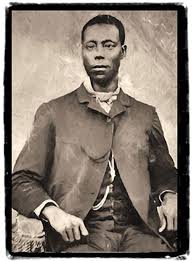
Thomas L. Jennings is a hugely significant figure in American history, primarily known for inventing a process called “dry scouring,” which is considered the predecessor to modern dry cleaning. He made history by becoming the first African American to be granted a U.S. patent.
Here’s what you need to know about Thomas L. Jennings and his “dry scouring” invention:
- The Patent: Thomas L. Jennings received U.S. Patent No. 3306x on March 3, 1821, for his “dry scouring” process.
- “X-Patent” Status: Unfortunately, the original patent document for his invention was among the approximately 10,000 “X-patents” lost in a devastating fire at the U.S. Patent Office in Washington D.C. in 1836. This means the precise chemical formulas and detailed steps of his dry scouring method are not fully known today.
- What we do know: Contemporary announcements and accounts indicate that his process was designed to clean clothes and woolen fabrics without damaging them or causing them to lose their original shape and “polish.” He experimented with various chemicals and agents to find a method that effectively removed dirt and grease without the use of water, which could often harm delicate fabrics.
- Background and Motivation: Jennings was a successful tailor and clothier in New York City. His customers often brought him expensive garments that were soiled or stained, and he was dissatisfied with the conventional, water-based cleaning methods that frequently ruined the fabric. This motivated him to experiment and develop a more effective and fabric-friendly cleaning technique.
- Historical Significance of the Patent:
- First African American Patent Holder: The fact that Jennings, a free Black man, was granted a patent in 1821 was groundbreaking. At the time, U.S. patent law (the Patent Act of 1793) required an applicant to sign an oath declaring they were a citizen of the United States. The issuing of the patent officially recognized Jennings as a U.S. citizen, a rare and important designation for a Black person during an era when African Americans, particularly enslaved individuals, were denied basic rights and often citizenship itself.
- Precedent for Future Inventors: His success, though not without controversy, set a precedent and highlighted the intellectual capabilities of African Americans. It also underscored the legal hurdles and discrimination Black inventors faced. (It wasn’t until 1861 that patent rights were finally extended to enslaved people, though even then, ownership often reverted to their masters.)
- Philanthropy and Abolitionism: Jennings used the significant income generated from his invention and successful business to become a prominent leader in the abolitionist and civil rights movements in New York City.
- He purchased the freedom of his wife and children who were indentured servants.
- He was a founder and trustee of the Abyssinian Baptist Church in Harlem.
- He served as assistant secretary for the First Annual Convention of the People of Color in Philadelphia in 1831.
- He helped organize the Legal Rights Association in 1855, an organization that fought against discrimination and funded legal defenses for civil rights cases, including his daughter Elizabeth Jennings Graham’s landmark case against segregated public transit in New York City.
- He was a staunch opponent of the American Colonization Society’s efforts to send free Black Americans to Africa, advocating instead for their full rights in the United States.
Thomas L. Jennings’s invention of “dry scouring” not only laid the foundation for an entire industry (dry cleaning) but also provided him with the means to become a powerful voice and force for social change during a critical period in American history.
