
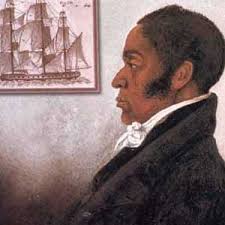
James Forten (1766-1842) was a remarkable African-American businessman, abolitionist, and inventor. While he became one of the wealthiest men in Philadelphia through his successful sailmaking business, it’s important to clarify the nature of his “ship sails handle” invention.
Unlike many inventors who sought and received formal U.S. patents, James Forten’s innovations in sail handling were primarily practical improvements he developed within his sail loft, and he never officially patented them. This was not uncommon for inventors of his era, especially for African Americans facing systemic barriers in the patent system.
However, historical accounts widely credit Forten with developing devices and techniques that significantly improved the efficiency and maneuverability of ship sails. Specifically, he is often credited with:
- A new sail design: Some sources suggest he developed a more efficient sail that allowed ships to better maneuver and maintain higher speeds. This could involve modifications to the cut, shape, or rigging of the sails.
- A sail hoist: More directly related to “handling,” he is credited with inventing a device or system (often referred to as a “sail hoist”) that made it faster and easier to raise and lower large ship sails. This would have been a significant improvement for sailors, reducing the manual labor and time required for sail adjustments, thereby increasing the ship’s overall maneuverability and speed.
Context of his innovations:
Forten’s expertise came from his deep practical experience. He started working in a sail loft as a young boy, later serving as a powder boy on a privateer during the Revolutionary War, which gave him firsthand knowledge of how sails functioned on a ship. After the war, he became an apprentice to Robert Bridges, a prominent sailmaker, and eventually bought the business in 1798.
His success as a sailmaker was not just due to quality craftsmanship but also his innovations. These “unpatented” inventions were widely recognized within the maritime community of his time, contributing to the reputation and profitability of his sail loft. Ship captains sought out his work because of the improved performance his sails and handling mechanisms offered.
In summary, while there isn’t a specific patent for a “ship sails handle” under James Forten’s name, he is widely celebrated for his practical innovations in sailmaking and sail handling equipment that significantly improved the efficiency and performance of sailing vessels in the late 18th and early 19th centuries.
In addition to his invention Forten was a businessman and abolitionist and had an impressive list of accomplishments:
- Abolitionist & Activist:
- Authored the 1813 pamphlet “Letters From A Man of Colour” to protest a Pennsylvania bill that would have required Black emigrants to register with the state, successfully contributing to the bill’s defeat.
- Signed a petition to the U.S. Congress in 1801 calling for the abolition of the slave trade and the modification of the Fugitive Slave Law of 1793.
- Helped organize the Convention of Color in 1817 with Richard Allen, which argued against the colonization movement and for African Americans’ rights within the United States.
- Was a significant financial supporter of William Lloyd Garrison’s newspaper, The Liberator, providing a crucial $54 for its first twenty-seven subscriptions. He also regularly published letters in the paper.
- Was an organizer of the American Anti-slavery Society in 1833.
- Devoted considerable time and money to the abolitionist movement throughout his life.
- Businessman & Innovator:
- Became a successful sail-maker, buying out his mentor’s shop in 1798 and establishing what became the first major Black-owned sail-making business in Philadelphia.
- Became one of the wealthiest people in Philadelphia, with a financial worth of around $100,000. He employed about 40 workers, both Black and White.
- Community Leader & Patriot:
- During the Revolutionary War, he served on the privateer on the ship Royal Louis and was a prisoner of war aboard the British prison ship HMS Jersey.
- Helped enlist 2,500 African-American volunteers to defend Philadelphia during the War of 1812.
- Inspired generations of Black Philadelphians with his philanthropy and activism.
- Is listed by scholar Molefi Kete Asante as one of the “100 Greatest African Americans.”
