

Imagine a scenario so radical it redefines national identity and global power dynamics: Fueled by centuries of unresolved historical grievances, a newly elected Trump administration, backed by its fervent supporters, agrees to a monumental reparations deal for every Black American who are descendants of slaves. Trump also agrees that Black Americans would take all intellectual property they are historically responsible for such as music and patents. (Hey crazier things have happened under this admin, stay with me) Here is the kicker, all Black Americans would have to leave the country to collect on this deal.
This wouldn’t be the first significant time that the idea of Black Americans relocating was broached. Abraham Lincoln initially explored the idea of colonizing newly freed slaves outside the United States as a potential solution to racial tensions and the challenges of integrating them into American society. This idea, which he considered a way to keep Black Americans separate from white society, ultimately led to a failed experiment involving relocation to Île à Vache, Haiti.
This isn’t the only time that conversations about Black Americans leaving the U.S. have happened:
Emigration and self-determination
- Early 19th Century: Even before the Civil War, many African Americans debated whether staying in the U.S. to fight for abolition or migrating elsewhere (like Canada, Haiti, or territories in the American West) offered the best path to freedom and equality. Some envisioned establishing separate, self-governing Black societies or nations outside the United States, often considering Africa as the refuge of choice.
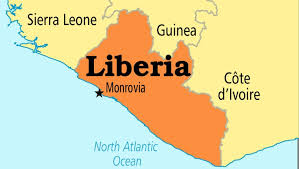
- Liberia, officially the Republic of Liberia, is a country on the West African coast. Liberia began in the early 19th century as a project of the American Colonization Society (ACS), which believed that black people would face better chances for freedom and prosperity in Africa than in the United States. Between 1822 and the outbreak of the American Civil War in 1861, more than 15,000 freed and free-born African Americans, along with 3,198 Afro-Caribbeans, relocated to Liberia. It has a population of around 5.5 million and covers an area of 43,000 square miles. The official language is English.
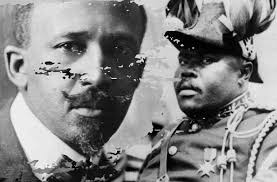
- Marcus Garvey and the Universal Negro Improvement Association (UNIA): In the early 20th century, Garvey and the UNIA championed a “Back to Africa” movement, advocating for Black people worldwide to return to Africa and establish an independent nation free from racial oppression. Garvey emphasized Black economic independence and self-governance, and while controversial, his movement attracted millions seeking to better their conditions.
Contemporary Conversations
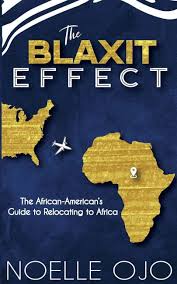
- Renewed Interest in Emigration: In recent years, the experiences of Black Americans with racial and political divisions within the U.S. have sparked renewed discussions about leaving the country. Social media platforms and online communities now share stories of what some call “Blaxit,” referring to Black Americans choosing to move abroad, especially to countries in Africa like Ghana, or European nations like Portugal.
- Motivations for Leaving: Individuals and families cite a desire for a better quality of life without the constant emotional and psychological toll of facing racism in the U.S.. Some see it as a way to explore life, liberty, and happiness in places other than their home country, even if only temporarily.
- Connection to Pan-Africanism and Reparations: Discussions about leaving the U.S. are also connected to Pan-Africanism, which emphasizes the shared heritage and experiences of people of African descent globally. Some believe that emigration doesn’t diminish their right to reparations for historical injustices like slavery and discrimination, arguing that reparations are still due regardless of where they reside.
In essence, throughout American history, Black Americans have continually engaged in significant conversations and actions regarding leaving their homes, whether within the U.S. or to other countries, as a means of escaping oppression, seeking opportunity, and claiming self-determination.
So how could this play out? Black Americans contribute significantly to the U.S. economy as workers, consumers, entrepreneurs, and innovators across all sectors. Their departure would create immediate labor shortages in various industries, particularly those where Black workers are concentrated. The payment of reparations, potentially trillions of dollars to compensate for centuries of economic exploitation, would represent a massive transfer of wealth out of the U.S. economy. So in what possible way could this deal be framed in a way for Trump to accept it?


- Trump could sell this to his constituents who have for centuries been made to believe that Black Americans contribute nothing to society. It would be unfathomable that black people leaving could have any significant impact. They may even think that the economy would improve because in their minds black Americans drain the economy with all the tax dollars spent for social programs. This could be a huge political win for the Trump administration.
- A Trump administration might view this deal as a way to appease a segment of its base that holds such sentiments, fulfilling a perceived “mandate” or desire for a dramatic demographic shift. It could be framed as a decisive, “America First” action to address long-standing racial tensions, albeit in a highly controversial and extreme manner.
- A Trump administration might present this as a grand, final solution to America’s racial issues, aiming to definitively “settle” the historical debt and move past the discussions of systemic racism, thereby appealing to a desire for closure among some voters.
- Trump’s highly nationalistic and isolationist administration might perceive the departure of this population segment, coupled with a massive one-time payout, as a way to “cleanse” or “simplify” the national economic and social landscape, even if based on a deeply flawed understanding of economic realities. They might believe it would lead to a more homogenous society, which some of their supporters might desire.
- A Trump administration is often associated with disruptive, unconventional policies. This deal, being unprecedented in scale and scope, would certainly fit that mold. It could be seen as a way to cement a unique and controversial legacy, distinguishing his administration from all others by tackling a deeply entrenched issue with an extreme, “out-of-the-box” solution.
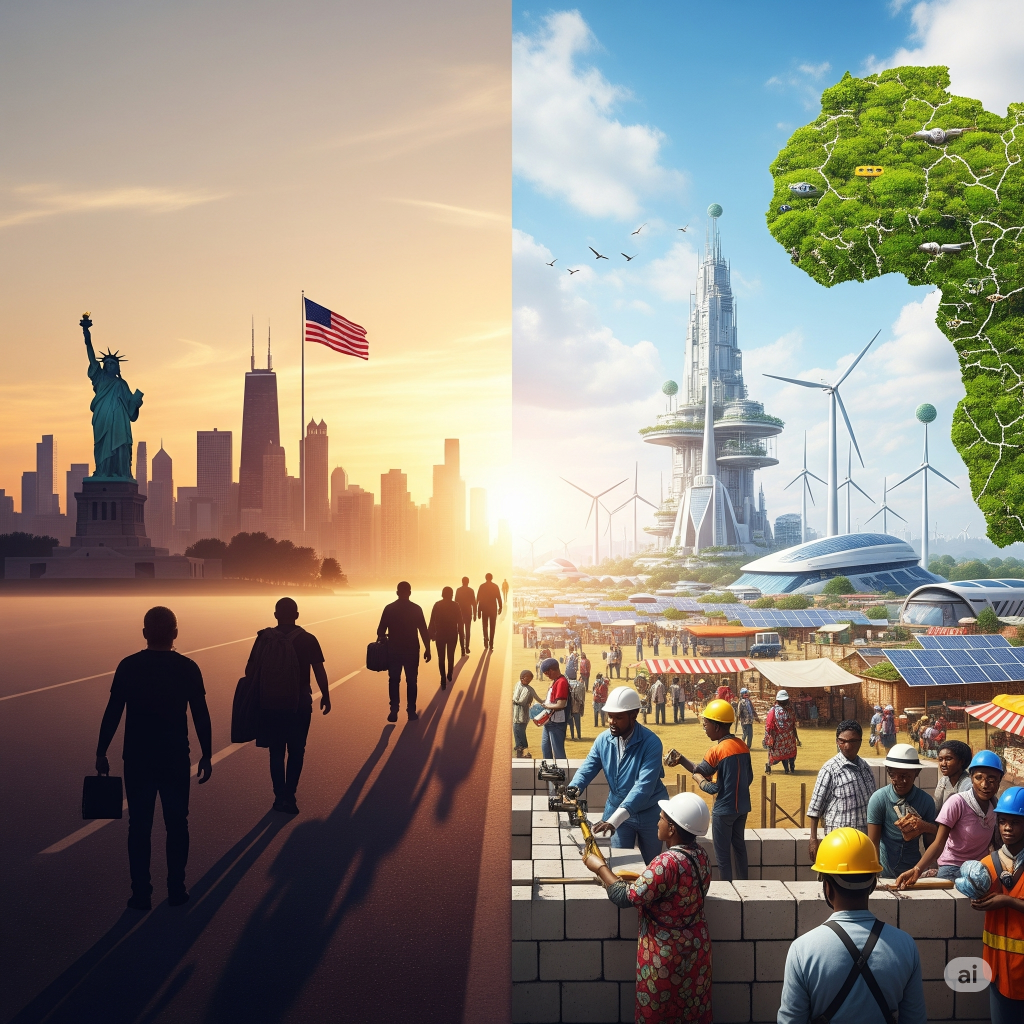
So let’s say in this hypothetical dream world, Trump strikes a deal with the legal representatives of the Black Americans, and empowered by this unprecedented wealth, the nearly 47 million Black Americans (as of 2025 estimates, including those of mixed race) leave the United States. They have already organized and negotiated with several African nations to carve out and build a new, sovereign country. leaving approximately 297.8 million residents back in the Unites States.
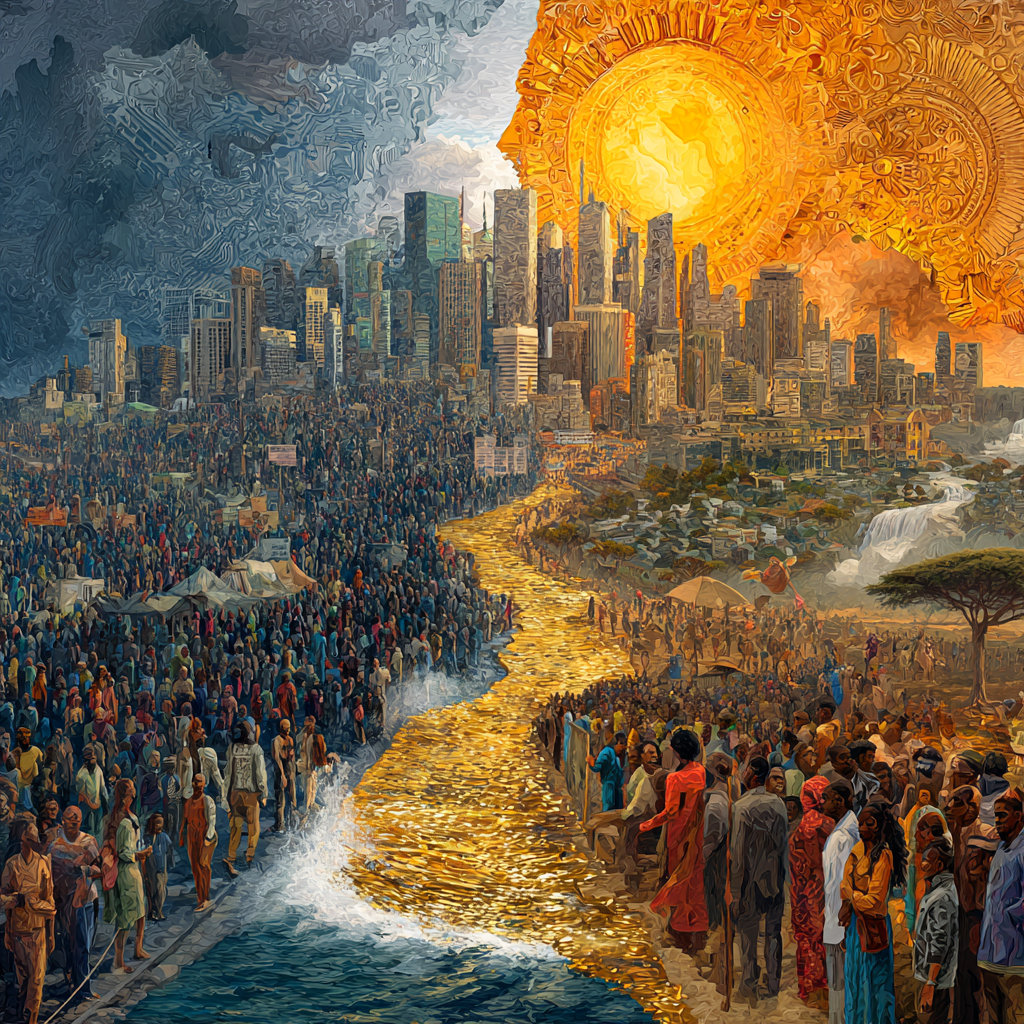
This represents a significant demographic shift, but one that preserves the multi-ethnic character of the remaining U.S. population, including Hispanic, Asian, Native American, and white communities. The U.S. would retain its broad cultural diversity, albeit with the profound absence of its Black American heritage.
The implications of such an event, from the transfer of immense wealth to the wholesale reimagining of the global landscape, would be nothing short of revolutionary.
A Cataclysmic Economic Shock to the U.S.
Despite what the Trump supporters may think, and according to the statistics, the immediate economic fallout for the United States would be catastrophic, far exceeding any recession or depression in its history.
- Labor Force Devastation: Black Americans are integral to every sector of the U.S. economy. If all Black Americans were to leave the U.S., the workforce would lose approximately 13% of its population. This is because Black Americans constitute about 13% of the overall U.S. population, and a significant portion of them are in the workforce. The actual impact on the workforce would be even greater than 13% due to the younger age distribution of the Black population, meaning a larger proportion are of working age. Consider that in late 2024, the unemployment rate for Black individuals was around 6.4%, indicating a substantial active workforce. Industries from healthcare and transportation to manufacturing, retail, and hospitality would face unprecedented labor shortages, leading to widespread business failures, soaring costs, and crippled productivity.
- Massive GDP Contraction and Consumer Spending Collapse: Black-owned businesses, which generated $206 billion in annual revenue and supported 3.56 million jobs in 2021, would vanish. Furthermore, Black American purchasing power is projected to reach $1.98 trillion by 2025. The removal of this enormous consumer base would trigger a massive downturn in demand, impacting nearly every market segment and shrinking the U.S. GDP (estimated around $29 trillion in 2024) by an alarming margin. Tax revenues would plummet, straining government services and vital social programs like Medicare and Social Security.

- Real Estate Market Implosion: Millions of homes, businesses, and properties would be vacated, flooding the real estate market. Property values would plummet across the board, particularly in urban centers and Southern states with significant Black populations. This would trigger a cascading effect on related industries, from construction to lending, potentially leading to a financial crisis of epic proportions.
- Erosion of Innovation and Entrepreneurship: Beyond sheer numbers, the U.S. would lose a vibrant source of innovation. Black entrepreneurs have consistently driven growth, with Black-owned businesses showing a 23% growth rate between 2017 and 2021. The exodus would drain this entrepreneurial spirit and critical intellectual capital.
A Profound Cultural and Societal Void in America
Culturally, the U.S. would experience an indelible void. Black American culture has been foundational to the development of American identity, profoundly shaping its music, art, literature, language, and cuisine. The vibrant sounds of jazz, blues, hip-hop, and R&B, which originated in Black communities, would cease to be an active, evolving force within the U.S. Mainstream American culture would lose the unique perspectives, narratives, and artistic expressions that have enriched it for centuries. While other diverse cultures would remain, the absence of Black American contributions would leave a distinct and irreplaceable gap in the nation’s cultural tapestry, leading to a less vibrant and less globally influential cultural landscape.
- The End of American Sports as We Know It: The impact on professional sports would be immediate and dramatic. Black athletes dominate major leagues; in the 2017-2018 seasons, for instance, nearly three-quarters of NBA players and two-thirds of NFL players were Black. Baseball, while having a smaller percentage (around 6.2% Black players on Opening Day rosters in 2025), would still feel the profound loss of talent. The departure of these athletes would fundamentally dismantle these leagues, leading to immense financial losses for teams, broadcasters, advertisers, and associated industries. College sports, particularly revenue-generating football and basketball, would also be severely crippled.

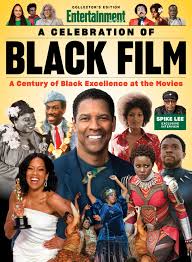
- The Muting of American Entertainment: From the birth of jazz and blues to the global phenomenon of hip-hop and R&B, Black artists have shaped the sound of American music. Black actors, directors, writers, and artists have likewise been central to film, television, and visual arts. The hypothetical deal explicitly includes the “ownership of Black intellectual property like patents and music.” This means the U.S. would lose direct rights and revenue streams from a vast, globally consumed cultural catalog. The entertainment industry would face an unprecedented talent drain, a significant reduction in diverse storytelling, and a dramatic decline in global cultural influence.





- Reshaping of Identity and Social Fabric: Beyond specific industries, the removal of Black Americans would leave a profound void in the very soul of the United States. The historical narrative, the ongoing struggle for civil rights, and the rich tapestry of shared experiences that define America would be fundamentally altered.

Catastrophic Blow to Critical Sectors: Technology, Science, Healthcare, and Education
The impact would extend deep into the intellectual and essential services of the nation.
- Talent Drain in STEM: While Black Americans are underrepresented in STEM fields relative to their population size, their contributions are significant. In 2021, Black or African American workers comprised 8% of workers in STEM occupations. The departure of Black scientists, engineers, and tech professionals, along with future generations of talent, would leave a massive void. This includes a significant portion of graduates from Historically Black Colleges and Universities (HBCUs), which produce a disproportionately high number of Black STEM graduates. The innovation pipeline would shrink, and America’s global competitiveness in technology and scientific research would decline sharply.
- Loss of Diverse Perspectives: Innovation thrives on diverse perspectives. Black scientists and technologists bring unique insights, problem-solving approaches, and lived experiences that have led to groundbreaking inventions and advancements addressing a wider range of societal needs. Losing this diversity would result in a less robust and less inclusive technological landscape.
- Healthcare Crisis: Already strained, the healthcare system would face an immediate and devastating crisis. Black healthcare professionals, though underrepresented as physicians (around 4.7% of active doctors), constitute a larger percentage of nurses and crucial support staff. The departure of tens of thousands of Black doctors, nurses, and allied health professionals would lead to severe shortages, especially in underserved communities, exacerbating health disparities and reducing culturally competent care for remaining diverse populations. The loss of Black researchers would also set back progress in addressing health inequities.
- Education Drained: The U.S. education system, from K-12 to higher education, would be severely impacted. Black educators are vital for diverse representation and culturally responsive teaching, and their departure would worsen existing teacher shortages, particularly in urban districts. Historically Black Colleges and Universities (HBCUs), pillars of Black intellectual life and producers of a disproportionate number of Black STEM and professional graduates, would face an existential crisis. The curriculum itself would need a drastic overhaul, as the profound influence of Black Americans on U.S. history, literature, and arts would be physically removed from the nation’s contemporary context.



The Power of Black American Patents: A Hidden History Unearthed
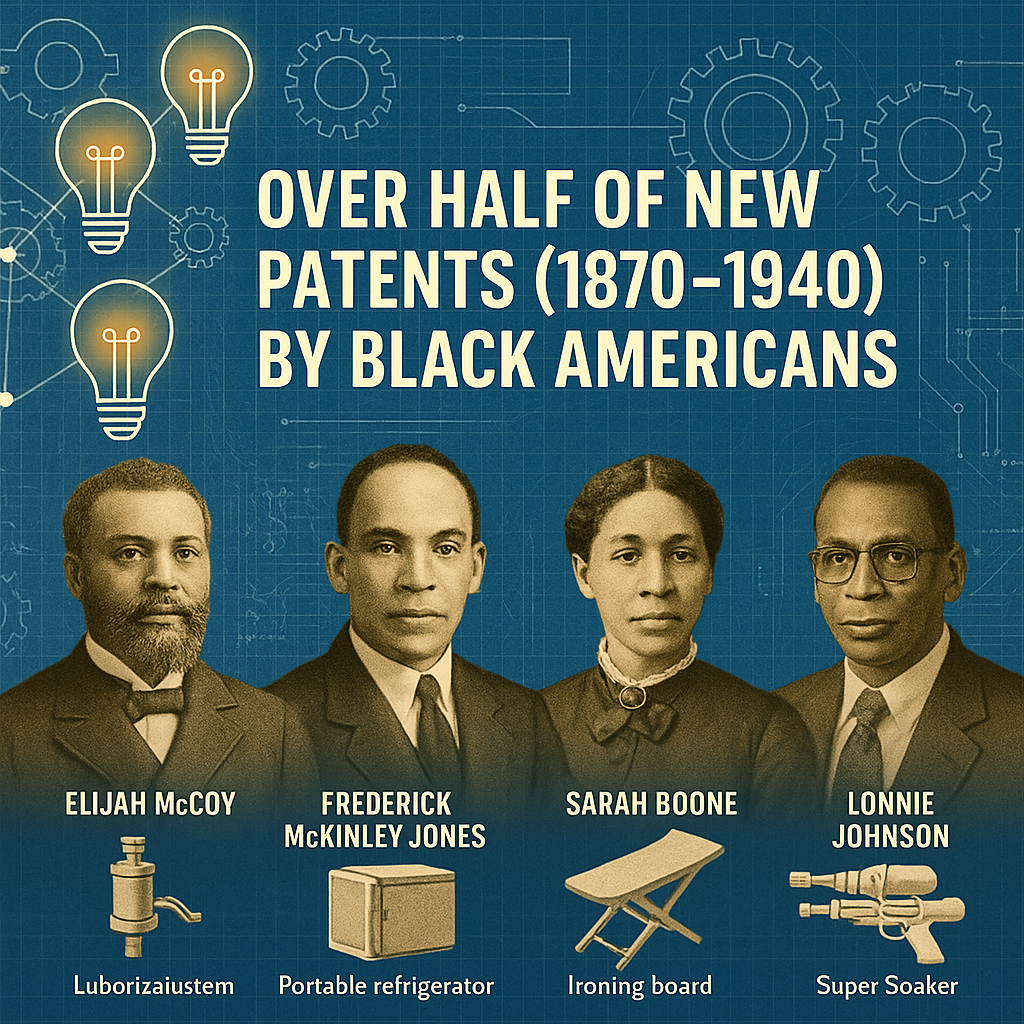
The transfer of Black intellectual property, particularly patents, underscores a largely unsung narrative of American innovation. Despite immense systemic barriers, Black inventors have made groundbreaking contributions:
- Pioneers Against Adversity: From Thomas Jennings, the first Black American to receive a U.S. patent for a dry-cleaning process in 1821, to Martha Jones, one of the earliest known Black women patentees in 1868 for an “Improvement to the Corn Husker, Sheller,” Black ingenuity persisted.
- Transformative Inventions: Figures like Lewis Howard Latimer (improved carbon filament for light bulbs), Garrett Morgan (three-position traffic signal, early gas mask), Dr. Charles Drew (blood storage techniques), Marie Van Brittan Brown (first home security system), Dr. Patricia Bath (Laserphaco Probe for cataract surgery), and Lonnie Johnson (Super Soaker) represent just a fraction of the profound impact of Black inventors. If these patents and their associated royalties were to transfer, it would represent a massive loss of historical and ongoing financial value to the U.S.
- A Legacy of Ingenuity: From the late 19th to the early 20th centuries, Black inventors in the North, particularly, showed patenting rates comparable to or even exceeding those of White Americans in some decades. Researchers estimate that African Americans invented over 50,000 patents during this period.
The Loss of Black Intellectual Property: If Black intellectual property, including patents, were to be transferred to the new African nation, there wouldn’t be any significant financial gains, but it would represent a deep historical impact, forcing a re-evaluation of the true sources of American ingenuity. This new African nation could develop a national archive as a constant reminder of the contributions it made to society. It would celebrate a lasting legacy that its future generations could draw inspiration from.
Global Transformation: A New African Power and Continental Shifts
A New African Nation: A Reparations-Fueled Renaissance
- Emergence of a New African Nation: The establishment of a new, well-resourced African nation, fueled by substantial reparations, would be unprecedented. This new entity, equipped with significant financial capital and the collective skills, knowledge, and entrepreneurial drive of millions, could achieve rapid development in infrastructure, education, healthcare, and industrialization. It would emerge as a powerful new global player, potentially altering geopolitical alignments.
- Rapidly Construct State-of-the-Art Infrastructure: From modern transportation networks and reliable energy grids to advanced telecommunications and comprehensive sanitation systems, the new nation could build infrastructure rivaling that of developed countries at an unprecedented pace.
- Establish World-Class Human Capital Development: The reparations could fund top-tier educational institutions, from primary schools to universities and vocational training centers, creating a highly skilled and educated populace. Comprehensive healthcare systems and cutting-edge research facilities would also be possible, fostering a healthy and innovative society.
- Catalyze Economic Diversification and Growth: The injection of capital would enable the creation of new industries, foster entrepreneurship, and attract global investment, rapidly diversifying the economy beyond traditional sectors. This new nation could become a hub for technology, finance, and sustainable development.
- Ensure Food Security and Sustainable Development: Modern agricultural practices and significant investment could ensure abundant food production for the growing population, while prioritizing environmentally sustainable development models.
If managed effectively, this new African American nation could swiftly emerge as an economic powerhouse within Africa, driving regional growth and setting an unprecedented model for rapid, equitable development in the Global South. It would become a significant new player on the global economic and geopolitical stage, potentially challenging existing power structures and offering a new vision of prosperity rooted in justice.
The implications for the world would be equally revolutionary.
- Mixed Impact on Existing African Economies: While the influx of skilled labor, capital, and intellectual property could catalyze development across Africa, fostering increased trade and investment, it would also present immense challenges. Existing African nations might face pressure on resources and infrastructure as they manage the integration of millions of new citizens. The success would hinge on careful planning, effective governance, and cooperation to prevent social and economic disparities.
- Global Power Rebalance: The weakening of the U.S. economy and cultural influence, combined with the rise of a new African powerhouse, would lead to significant shifts in global power dynamics, reconfiguring international trade, alliances, and cultural exchanges. The very precedent of a successful reparations-funded nation-building project could inspire similar movements worldwide.
The Unimaginable Human Cost and Logistical Hurdles
Beyond these immediate impacts, the remaining U.S. would grapple with profound questions of social cohesion and identity. The departure of Black Americans, even under the premise of reparations, would bring the topic of America’s past sins into the forefront and force a national reckoning with its history of racial injustice. This could lead to intense ideological divides and social unrest, as the remaining population grapples with the legacy of slavery and Jim Crow, and the implications of this monumental societal restructuring. The absence of Black voices in policy, media, and academia would narrow perspectives, potentially hindering the nation’s ability to address complex social issues and foster a truly inclusive society. Politically, the functioning of democratic institutions would be challenged by the demographic shift and the ongoing debate over the nation’s past and future. The government’s capacity to provide essential services would be strained by the economic repercussions, and the maintenance of existing infrastructure would become a greater challenge.
As an African American who has deep roots in the South, I am one that was never a fan of leaving America even with its maddening racist tendencies. As a lover of history and knowing of the countless contributions that Black American have made to this country, I have always found it a non-starter to even consider it. My wife however visited Ghana last year and came back raving about the experience and when Trump won his second term we had a conversation, albeit, a not too serious one, about the possibility. We even looked into the incentives that Ghana and some other countries are offering African Americans to move there. I am sure there are many Black Americans who like me would be extremely reluctant to migrate away but I’m sure that there are many who would seriously consider it. Add the incentive of the reparations and I must admit it would be incredibly enticing. Above all else though, this hypothetical scenario, while born from a place of historical pain and present-day frustration, illuminates the indelible and indispensable contributions of Black Americans to the fabric of the United States. And though White America might be reticent to admit this, our absence would not merely be a demographic shift; it would represent a fundamental unraveling of the nation’s economic engine, cultural soul, and intellectual future, creating a ripple effect that would reshape the entire world.
Edward Odom

