
Table of Contents
- I. Introduction: Real Politics, Manufactured Hate
- II. Why We’re So Divided: How the Gap Was Built
- A. The Blueprint: How Housing Laws Separated Us
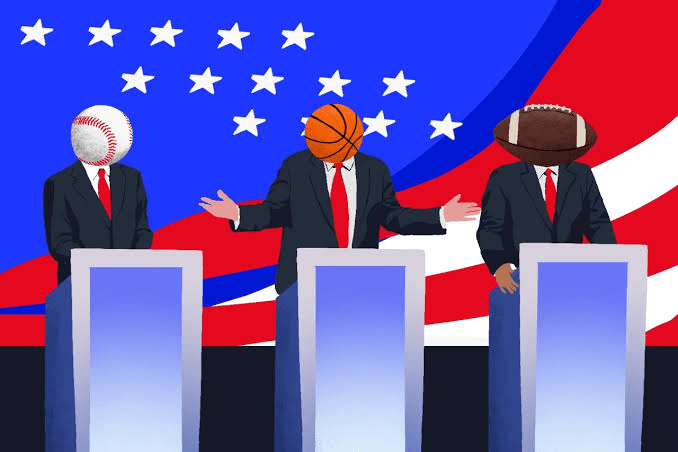
- B. Team Sports Politics: The Rise of the Political “Homer”
- C. The Mental Loophole: “You’re One of the Good Ones”
- III. What We Can Actually Do About It
- 1. Stop Being a Spectator: Challenge the Bubble, Not Just the Noise
- 2. Refuse to Be the “Exception”
- 3. Evaluate Policy by Human Impact, Not Scoreboards
- 4. Clean Up Your Attention: Turn Off the Outrage Engine
- IV. Taking Back Control
- Glossary
- Bibliography & Further Reading
I. Introduction: Real Politics, Manufactured Hate
In 1995, two colleagues met on a job site, spent two years working side by side in the high-demand world of enterprise engineering, and laid the groundwork for a friendship, a bond that would span more than three decades. They live on opposite ends of the country. They don’t call or text each other but over thirty years, through career changes, family milestones, and the quiet passage of time, they remained in each other’s corners—wishing each other well, celebrating life’s victories, and honoring a bond built on direct, daily human experience.
Yet, step onto a social media timeline today, and that same thirty-year friendship looks like a statistical impossibility.
Look at one of their profile pages, and you’ll see non-stop political fighting: culture-war debates, line-in-the-sand opinions, and aggressive party loyalty. To an outsider—or to an internet algorithm designed to spark fights—these two men should be bitter enemies. One is a Black writer who speaks openly about the history and realities of his community; the other a retired older white man who posts intense conservative takes that directly attack those exact ideas.
Why is it such a surprise that these two men are friends? Because the hostility we see online is not an illusion—it is real, visceral animosity driven by an artificial machine. When rival fans brawl in a stadium parking lot, the violence isn’t fake. It is completely irrational to bleed over the color of a jersey, but the hostility itself is dangerously real. We have allowed our political lives to be captured by that exact same dynamic: I often call my friend a homer, a sports term for a fan that will root for their team no matter what. He is the political version of that. In my opinion a victim of a multi-billion-dollar apparatus that takes genuine human fears, turns them into tribal aggression, and points them directly at our neighbors. On a screen, nuance disappears, and real people are flattened into political cartoons.
Now, some might look at my own writing and Facebook posts and say, “Aren’t you one of the people starting these arguments?” But there is a massive difference between picking fights for sport and holding the line with truth. I take painful care to answer commentators with calm, documented facts and to never respond in kind. In a culture addicted to outrage, presenting calm history will often be accused of “starting a fight.” But presenting documented reality isn’t picking a fight—it’s refusing to let a fake peace hide real problems.
The noise on our feeds isn’t proof that we secretly hate each other. It’s the result of a system built to keep us mad, market to our anger, and get us to sit on the sidelines instead of fixing things in our own backyards.
So how did our friendship survive that kind of dynamic?
Because in the real world, relationships are built on real-life experience, mutual respect, and how you actually treat people over time.
If we want to fix this, we have to look past the bleachers. We need to understand how we got so separated in the first place, stop falling for the mental tricks that keep us divided, turn off the outrage machine, and get back to the basic, everyday work of actually looking out for people, no matter where they live.
II. Why We’re So Divided: How the Gap Was Built
A. The Blueprint: How Housing Laws Separated Us
The biggest problem in our country is that our neighborhoods are so segregated. It is easy to believe a narrative when there is no information other than what we see in the media. When we leave work or school, we go home to neighborhoods where most people look like us. We have evidence in our coworkers and schoolmates to contradict the narratives, but we rationalize those examples away by labeling them “different.” They are seen as exceptions—sometimes even exceptional—which allows us to keep our original biases intact.
Our neighborhoods didn’t end up this way by accident, and it wasn’t just “people wanting to live near people like themselves.” It was built into the system by policy decisions made decades ago.
Back in the 1930s, the government literally drew red lines on city maps around Black and lower-income neighborhoods, declaring them too “risky” for bank loans. That cut those areas off from investment, while government-backed mortgages helped white families buy homes in the new suburbs and build family wealth. Later, when interstates were built in the 1950s and 60s, planners systematically plowed those highways straight through thriving Black business districts, slicing cities in half and creating physical walls between neighborhoods.
When direct housing discrimination was outlawed, local towns used zoning laws instead. By requiring big yards, single-family houses, and banning affordable apartments, towns made it too expensive for regular working families to move in.
That history created the neighborhood setup we see today. Because local property taxes fund public schools and street repairs, living apart means we experience totally different daily realities. When we don’t share the same roads, parks, or schools, it’s easy for politicians to convince us that the people living down the road are completely different from us.
- Redlining Maps: Cut off urban neighborhoods from bank loans
- Interstate Highways: Built physical walls right through town
- Strict Zoning Laws: Kept housing costs too high for working folks
- Separate Daily Lives: Made our neighbors’ problems feel distant
B. Team Sports Politics: The Rise of the Political “Homer”
As we grew physically separated, the way we look at politics changed, too. Politics stopped being about evaluating policy or fixing local problems and turned into pure homerism—a fierce, inherited personal identity where defending the franchise matters more than the actual state of the game.
If you grew up in a family of Mets or Yankees fans, you wear the jersey, cheer for the team, and stick with them even when they play terribly. You don’t jump ship just because of a bad season. In politics today, people treat their political party the exact same way. When “our team” messes up, we make excuses or blame the referees (the media or the other party). Switching sides feels like betraying your family and friends.
Worse, most political energy today is driven by Negative Partisanship—which just means hating the other team more than you even like your own. The main goal isn’t making things better; it’s making sure the other side loses. Social media and 24-hour news play right into this because angry people click more links, stay on screens longer, and generate more ad money. We stay glued to the bleachers, yelling at the opposition, because our frustration makes someone else rich.
C. The Mental Loophole: “You’re One of the Good Ones”
Much like those coworkers and classmates, when someone with strong political biases meets a real person from that group and actually likes them, they almost never change their overall view. Instead, their brain uses a mental shortcut called subtyping.
Rather than admitting their general opinion might be wrong, they make their friend a rare “exception to the rule.” They tell themselves, “Well, Mike is different. He’s one of the good ones.”
- Overall Belief: You hold a broad stereotype about a group
- The Reality Check: You meet a friend who doesn’t fit that stereotype
- The Mental Trick: You declare them “an exception to the rule”
- The Outcome: Your core belief remains completely unchanged
This mental trick lets someone keep a warm, loyal friendship in private while still holding onto hostile views about that friend’s broader community in public. The friendship stays in its own little box, and the bigger bias never has to change.
III. What We Can Actually Do About It
It’s easy to complain about how divided we are. Changing it takes real work. We can’t fix this by telling people to “be nice” or “talk it out.” Polite talk doesn’t fix broken systems or stop social media apps from making money off our anger.
Nor can we fix it by simply doing generic neighborhood charity. If our neighborhoods are segregated by design, doing local volunteer work often just means collaborating with people who already look, live, and vote like us. To actually dismantle the biases and homerism that keep us divided, our action has to be intentional: it must cut across geographic lines, challenge how we treat our friends, and disrupt the outrage economy.
- Stop Just Watching: Move past online commentary and demand tangible accountability that crosses zip codes.
- Refuse the “Exception” Frame: Stop letting friends isolate your character from your heritage and community.
- Evaluate Policy by Human Impact: Stop treating governance like a scoreboard where real human harm is accepted just to get a party win.
- Clean Up Your Attention: Starve the outrage engine of your time, capital, and emotional energy.
1. Stop Being a Spectator: Challenge the Bubble, Not Just the Noise
Most of what passes for “political engagement” today is passive consumption. Scrolling through angry news stories, dropping a biting comment on Facebook, or retweeting a scandal changes nothing on the ground. It is the civic equivalent of yelling at a television screen from the comfort of a living room.
True civic engagement requires getting off the sidelines and demanding structural accountability. But more importantly, it means bursting your own bubble. We cannot claim to be engaged if we only discuss problems with people inside our own demographic and geographical comfort zones.
The Takeaway: Stop treating social media commentary as civic participation. If your political engagement doesn’t involve listening to, working with, or addressing issues that impact people outside your immediate zip code, it isn’t civic action—it’s entertainment. Channel that energy into regional coalitions, broader civic oversight, and real-world organizing that crosses municipal borders.
2. Refuse to Be the “Exception”
The most dangerous mental shortcut preserving modern prejudice is “subtyping.” When a friend holds hostile views about a group but calls you “one of the good ones,” they aren’t paying you a compliment. They are protecting their bias from reality by putting you in a private box labeled “exception.”
Allowing ourselves or our friends to be isolated this way keeps the broader system intact. It gives people permission to maintain genuine warmth in private while voting for, posting, or endorsing rhetoric that harms that same friend’s community in public.
The Takeaway:
- If it happens to you: Refuse the frame directly. Make the connection unmistakable: “I am not an exception. The character, discipline, and values you respect in me did not happen in spite of my community—they were shaped directly by the family, heritage, and people you are dismissing.”
- If you do it to others: Confront your own inconsistency. If the actual people from other backgrounds you work alongside contradict the media’s scary caricature, stop letting cable news and algorithms convince you the rest of their community is the enemy. Trust real human evidence over digital narratives.
3. Evaluate Policy by Human Impact, Not Scoreboards
The thirty-year friendship mentioned in this piece is not a tidy success story where shared labor magically erased deep ideological divides. We remained cordial, but he remains a political homer. Even with decades of mutual respect, the pull of the political team jersey is powerful.
The point of breaking out of the bleachers is not to force everyone to share the same political philosophy. People have every right to hold their beliefs, advocate for their values, and vote for their interests. The goal is to stop treating governance like a fantasy sports league where “winning” is the only thing that counts.
Politics is not entertainment; it deals in real lives, livelihoods, and measurable consequences. When you blindly root for your team at all costs, you end up endorsing policies that inflict genuine damage on actual people—including friends you claim to respect.
The Takeaway:
- Count the Cost of “Winning”: If a policy backed by your party causes clear harm to real people on the other side, don’t blindly defend it just to put points on the board. A victory that leaves your neighbors damaged isn’t a civic win; it’s just partisan cruelty.
- Support Good Outcomes Regardless of the Jersey: If a proposal genuinely helps people—including those across town who don’t vote like you—don’t oppose it simply because an algorithm, a talking head, or your party’s playbook told you to hate the people who proposed it.
- Acknowledge the Work Still Needed: Recognize that even thirty-year relationships like mine are unfinished business. If we are honest, all of us—myself included—have work to do to ensure we value real human well-being over reflexive political loyalty.
4. Clean Up Your Attention: Turn Off the Outrage Engine
You can’t get off the political sidelines if you keep feeding the apps that make you angry. News networks and social media platforms rely on a simple business model: make you mad, get your attention, show you ads, and make money. Every time you click on a rage-inducing headline or argue with a troll, you are paying the people who profit from tearing us apart.
We need to guard our attention the same way we guard our health. Eating a daily diet of online outrage warps how we see other people, making every interaction feel like a fight.
The Takeaway: Take a hard look at your feed. Unfollow accounts that post anger-bait, insult people, or try to start fights. Stop giving your time and money to outlets that sell outrage instead of facts. Take that time back and spend it face-to-face with real people in your life.
IV. Taking Back Control
The division we feel today isn’t a permanent fact of life. It was built over time through policy, kept alive by money, and fed by an apparatus that profits when we treat our neighbors like rival fan bases. We’ve been coaxed into cheering and screaming from the digital bleachers while real communities bear the consequences of our negligence.
Understanding how the trap works gives us our power back. We are not obligated to play the role an algorithm picked out for us. We don’t have to surrender thirty-year friendships to online culture wars, nor do we have to accept being treated as rare “exceptions” to someone else’s prejudice. Most importantly, we do not have to treat politics as a game where our neighbor’s suffering is acceptable collateral damage for our team’s victory.
Real change won’t come from winning a Facebook argument, dropping a witty reply, or proving someone wrong in a comment section. It happens when we step out of the bleachers, turn our backs on the anger machine, and start measuring our politics not by who won the news cycle, but by how our decisions actually affect human beings in the real world.
Glossary
- Attention Economy: A business model where internet platforms, social media apps, and news outlets compete for your time and mental focus, often using high-conflict content to keep you engaged so they can sell advertising.
- Exclusionary Zoning: Local government laws that regulate land use by requiring large minimum lot sizes, setting high building standards, or banning multi-family apartment buildings—effectively pricing working-class and lower-income families out of specific towns or school districts.
- Expressive Partisanship / Homerism: A form of political engagement where party affiliation functions as a fierce, inherited personal identity and unconditional loyalty to a “team” rather than a practical judgment on policies or outcomes.
- Negative Partisanship: Political behavior driven primarily by hostility, fear, or dislike toward an opposing political party rather than affection or agreement with one’s own party.
- Redlining: The historic practice by federal government agencies (such as the Home Owners’ Loan Corporation) and private mortgage lenders of drawing physical red lines on city maps around Black or low-income neighborhoods to systematically deny them mortgages and capital investment.
- Subtyping: A psychological defense mechanism where a person encounters someone who contradicts their broad group stereotype and labels that person an “exception to the rule,” thereby preserving their original prejudice intact.
- Superordinate Goals: Urgent, concrete practical tasks or objectives that require cooperation among groups who might otherwise harbor hostility or distrust toward one another.
Bibliography & Further Reading
- Alexander, Michelle. The New Jim Crow: Mass Incarceration in the Age of Colorblindness. New York: The New Press, 2010.
- Bishop, Bill. The Big Sort: Why the Clustering of Like-Minded America Is Tearing Us Apart. New York: Houghton Mifflin Harcourt, 2008.
- Iyengar, Shanto, Gaurav Sood, and Yphtach Lelkes. “Affect, Not Ideology: A Social Identity Perspective on Polarization.” Public Opinion Quarterly 76, no. 3 (2012): 405–431.
- Mason, Lilliana. Uncivil Agreement: How Politics Became Our Identity. Chicago: University of Chicago Press, 2018.
- Rothstein, Richard. The Color of Law: A Forgotten History of How Our Government Segregated America. New York: Liveright Publishing Corporation, 2017.
- Sherif, Muzafer. Group Conflict and Co-operation: Their Social Psychology. London: Routledge & Kegan Paul, 1966.
- Trounstine, Jessica. Segregation by Design: Local Politics and Inequality in American Cities. Cambridge: Cambridge University Press, 2018.


