
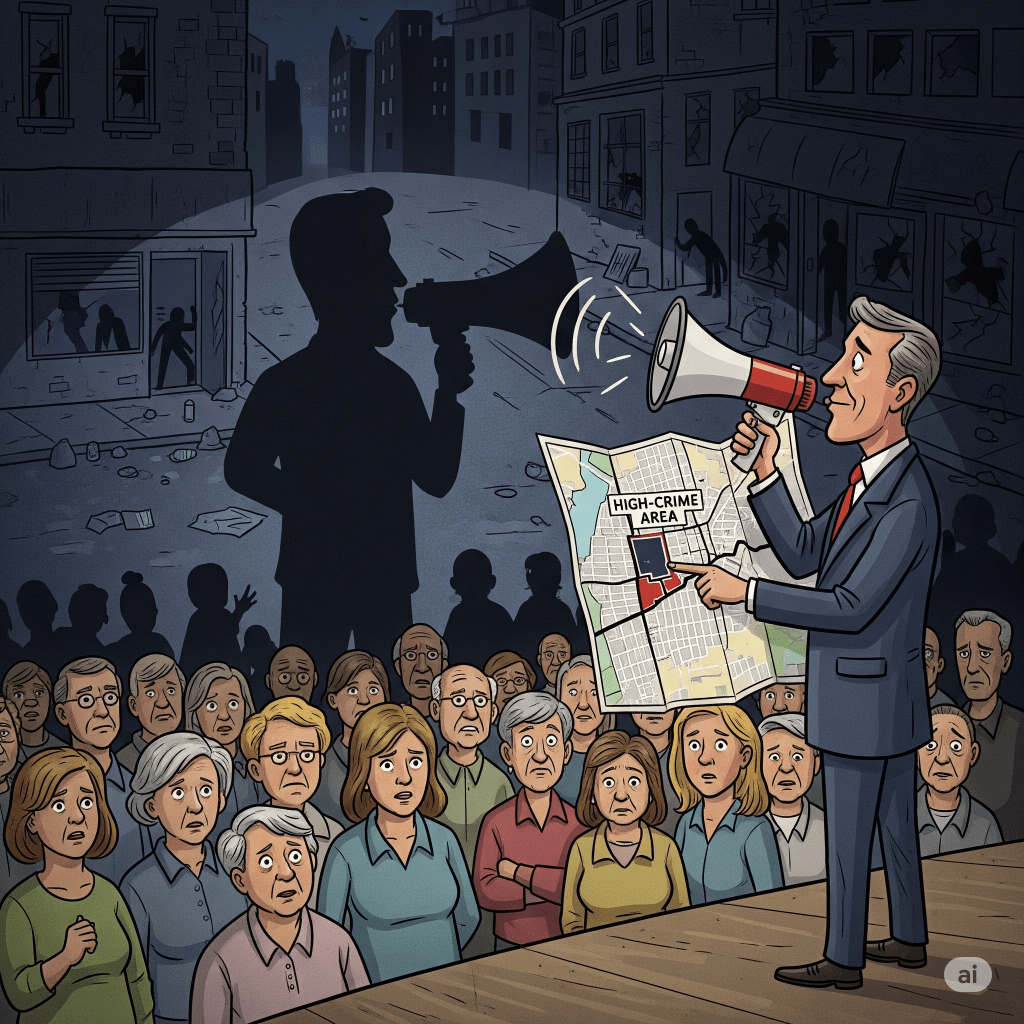
Recently I published an article that uses a thought experiment examining what would happen if all Black Americans left the country. I explored this to examine what the effects would be on America’s economic and cultural landscape. The goal was to inspire a meaningful discussion, but as is often the case with online content, it also attracted some deeply negative and illogical comments. One comment stood out as a stark example of the type of vitriol that often derails productive conversation. The person commented,
“How about consider how devastating it would be if white people disappeared from the planet like you want them to? The welfare state collapses and African countries waiting for food shipments starve. The internet fails. Black people have no one left to blame for why they shoot each other in the streets of Chicago.”
It’s often hard to tell which is more dangerous: a clever mind using misinformation as a tool of provocation, or a genuinely misinformed one, mindlessly spreading harmful rhetoric. This particular comment was a perfect case study. In just a few short lines, it managed to spin a breathtaking web of falsehoods. He implied I wanted to see white people disappear from the planet, then rattled off a list of absurd consequences that would follow: the collapse of the welfare state, starving African nations, and the failure of the internet.
But the final jab, about “why they shoot each other in the streets of Chicago,” was the one that prompted me to write this article. This age-old, racist trope was particularly significant given the recent deployment of troops in Washington D.C., with “rampant crime” used as a flimsy excuse. It’s a painful reminder of how easily these online fictions can be weaponized to justify real-world actions and perpetuate long-standing prejudice.
Throughout American history, the issue of crime has been a potent political tool, often framed as a “war” that requires a punitive, force-based response. This rhetoric, frequently dubbed “tough on crime” or “law and order,” has been particularly prominent when addressing crime in urban areas with significant Black populations. Politicians have used this narrative to justify the militarization of police, increased surveillance, and even the deployment of military troops, as seen in recent actions by the current administration. This approach, however, stands in stark contrast to the sociological perspective, which posits that crime is a symptom of deep-seated socioeconomic issues; most notably poverty. This paper explores the validity of these competing views, examining the political narrative of a racial propensity for crime against the evidence that links crime to poverty, and considering whether the focus on increased force is more about social control than genuine crime reduction.
The “War on Crime” Narrative and Racialized Rhetoric
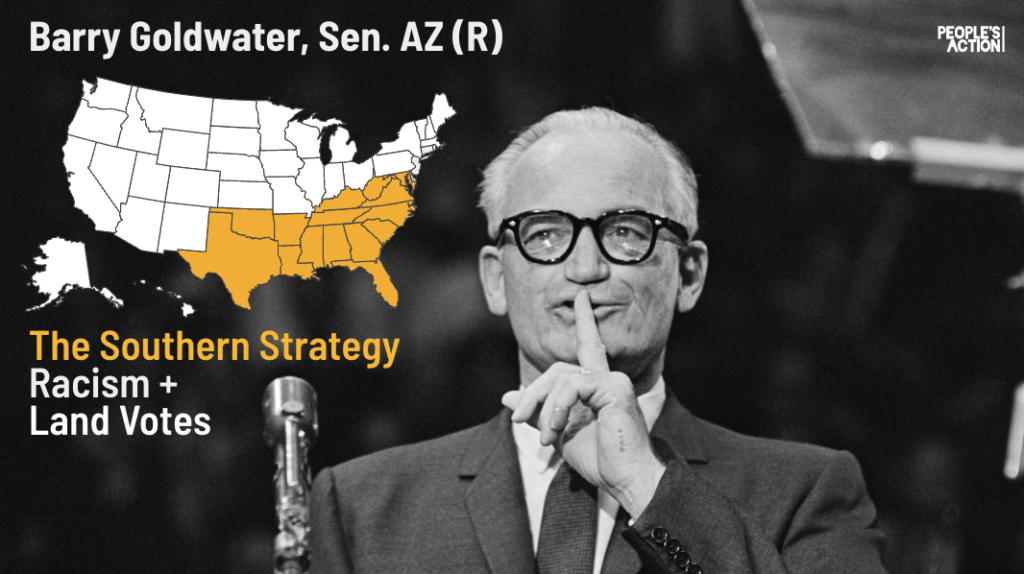
The “war on crime” is not a new concept. It gained national prominence in the mid-20th century as a response to civil unrest and rising crime rates, often implicitly and explicitly linking crime to race. This narrative has been effectively deployed by politicians who argue that certain populations, particularly Black urban communities, have a higher propensity for crime. The focus on “Black on Black crime” is a cornerstone of this argument. This statistic, often cited to highlight a moral failing within the Black community, points to a high number of homicides where both the victim and the perpetrator are Black. For example, according to FBI data, in 2021, 54.7% of homicide victims were Black, and 56.4% of known homicide offenders were Black.

This narrative is also a powerful political strategy. For conservative politicians, a “law and order” agenda allows them to ingratiate themselves with white constituents who have historically harbored fears of the Black population. This fear was not accidental; it was carefully fostered by decades of narratives that painted the Black population as inherently violent and criminal. This rhetoric was a key component in justifying the systematic discrimination necessary for institutions like slavery and Jim Crow. By promising to crack down on crime, these politicians provide a sense of security and control, effectively tapping into racial anxieties without explicitly using racist language. The “Southern Strategy,” famously employed by Richard Nixon, leveraged this dynamic by using coded language to appeal to white voters.

However, this statistic can be misleading without proper context. Crime, particularly violent crime, is overwhelmingly an intra-racial phenomenon. Statistics show that people tend to commit crimes against those they live near and interact with. For example, FBI statistics show that Approximately 89% of Black victims were killed by Black offenders while 81% of white victims were killed by white offenders. This reality suggests that so-called “Black on Black crime” is not a unique racial characteristic but rather a tragic reflection of residential segregation and the fact that most crime occurs within communities, regardless of racial composition.

Poverty as the Overarching Determinant
The opposing view, rooted in sociological and criminological research, argues that the most powerful predictor of crime is not race, but poverty. This perspective highlights the conditions created by systemic poverty, such as a lack of economic opportunity, inadequate education, and insufficient social services, as the true drivers of criminal behavior. When basic needs like food, housing, and healthcare are not met, individuals may turn to illegal means for survival. This is an issue that affects all people living in poverty, regardless of their racial background.


The data consistently supports this link. Neighborhoods with high poverty rates, whether in urban or rural areas, and regardless of their racial majority, tend to have higher crime rates. For instance, in 2023, the U.S. Census Bureau reported a poverty rate of 8.6% for non-Hispanic whites, while the rate for Black individuals was 17.1%. This racial disparity in poverty levels directly contributes to the disparity in crime rates, as Black communities are disproportionately affected by the socioeconomic conditions that foster crime. The issue is not a racial one, but an economic one, as evidenced by high crime rates in impoverished white communities as well.
Social Control vs. Crime Control: The Broader Political and Economic Agenda
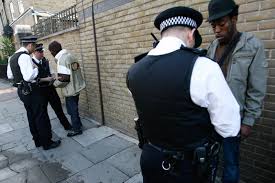
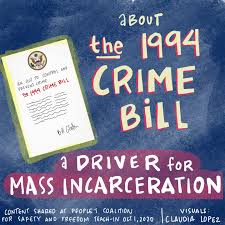
This fundamental divergence in understanding the causes of crime leads to a debate over the true purpose of increased force in minority areas. The “war on crime” approach, with its focus on aggressive policing and mass incarceration, can be viewed less as a genuine effort to reduce crime and more as a multifaceted tool for social and political control. By targeting marginalized populations with a heavy-handed, punitive response, political leaders are able to exert control over these communities while avoiding the far more difficult and expensive task of addressing the root causes of poverty. This strategy offers several benefits to a conservative agenda.
1. A Profitable and Politically Beneficial System of Mass Incarceration
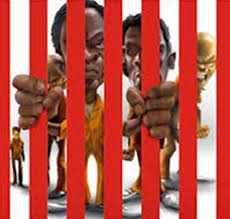
The “war on crime” has led to a dramatic rise in mass incarceration, making the United States the country with the highest imprisonment rate in the world. This system serves several purposes beyond simple crime reduction. For one, it provides a stable and expanding market for the for-profit prison industry. These private companies benefit directly from higher incarceration rates, creating a powerful lobbying interest that advocates for stricter laws and longer sentences. The greater the number of prisoners, the more profitable these institutions become.
Additionally, mass incarceration serves to weaken the Black family by disproportionately removing male figures from homes and communities. When a parent, particularly a father, is incarcerated, it leaves children with a single parent, affecting their development and removing critical resources. While there are many successful examples of single-parent households, this disruption can create a cycle of instability and trauma that can lead to further challenges, including a greater likelihood of a child’s involvement with the criminal justice system later in life. This outcome is a form of social control, as it diminishes the strength and resilience of a community often perceived as a political threat.
Furthermore, a criminal record often results in the disenfranchisement of citizens, as many states have laws that strip felons of their right to vote. This has a direct political consequence, as it removes a significant number of Black citizens from the electorate, reducing the collective political influence of a key voting bloc. The targeting of these communities for mass incarceration, therefore, serves a dual purpose: it gives the appearance of addressing crime while simultaneously reducing the political power of a population that historically votes against conservative interests.
2. The Daily Reality of Police Harassment and the Mental Toll
Beyond the political and economic benefits of mass incarceration, the focus on increased force also enables a system of daily harassment and surveillance that takes a severe mental toll on the Black population. The pervasive presence of police, coupled with a history of racial profiling and police brutality, creates an environment of constant stress and anxiety. The reality of being frequently stopped, questioned, or searched without cause adds a significant mental burden to individuals and communities. This daily stress contributes to higher rates of mental health issues and a persistent feeling of being an outsider in one’s own country.
This system of low-level harassment acts as a form of social control. By making public spaces feel unsafe for Black individuals and by constantly reminding them of their subordinate status in the eyes of the law, the system maintains a social hierarchy. This harassment does little to prevent serious crime, but it effectively keeps a population “in line” and perpetuates the narrative of a dangerous, and therefore deserving of such treatment, group.
3. Inconsistent Policy Priorities
This perspective is reinforced by policy decisions that appear to contradict the stated goal of crime reduction. This administration’s recent cuts to programs that are proven to address the root causes of crime—such as violence prevention initiatives, healthcare, and community-based support programs—undermine the claim that controlling crime is the sole objective. For example, in 2025, the Justice Department has reportedly slashed funding for over 550 organizations working on violence prevention, victim services, and mental health. These cuts will disproportionately harm low-income communities, which are most in need of such services. By defunding programs that alleviate poverty and its consequences, and instead focusing resources on law enforcement, policymakers reinforce the very conditions that lead to crime in the first place, thus ensuring a perpetual cycle that can be used for political gain. Conservatives, namely the Republican party, target the black community because the black community historically vote democratic. They see the voting power of the black community as a political threat.
Conclusion

The political narrative of the “war on crime” has consistently framed public safety as a problem to be solved through force, often leveraging racial stereotypes to justify its focus on minority communities. However, a closer look at the data reveals that crime is a complex social issue deeply intertwined with poverty and a lack of opportunity. The high rates of crime in Black urban areas are a direct result of the systemic poverty and disadvantage that are concentrated there, a reality that holds true for impoverished communities of any race. A policy approach that prioritizes increased force over addressing these root causes is not only ineffective in the long run but can also be seen as a form of social and political control. By creating a profitable system of mass incarceration, disrupting families, and maintaining a state of daily harassment, this agenda serves to marginalize and disenfranchise a specific population. A truly effective and just solution to crime would require a shift in focus from punishment to prevention, with significant investments in the social and economic programs that provide individuals with a legitimate path to prosperity.
Stepping back from the data and the history, I am reminded of the comment that first set me on this path. It wasn’t merely a hateful remark; it was a perfect example of the political narrative I’ve deconstructed. The commenter’s immediate jump to “Black on Black crime” and the supposed threat to civil order was not a coincidence. It was a clear echo of the very rhetoric that has been used for decades to justify a punitive “war on crime.” This kind of vitriol isn’t just about a single person’s prejudice. It is a symptom of a powerful political strategy—one that uses racial anxieties to divert attention from the deep-seated socioeconomic issues that are the true determinants of crime, as I argued earlier. It is a painful testament to how effectively these online fictions can be weaponized in the real world.
Edward Odom

