
The narrative of American industry is, in many ways, a story of extraction: of natural resources, of wealth and profit, of ideas and innovation, of labor, – particularly from the Black community. For centuries, Black labor, innovation, and cultural contributions have fueled economic growth, yet the benefits have rarely circulated back to the creators. From the brutal realities of chattel slavery, where uncompensated labor cultivated the very cotton that drove industrial expansion, to the exploitative sharecropping systems, discriminatory Jim Crow laws, and persistent systemic barriers in modern finance, the Black community has been systematically denied equitable economic participation. For reinforcement of this point, see the following link to my last article, Celebrating Black Inventions: A Rich Legacy. In this historical context, Actively Black, a premium athleisure brand founded by former NBA player Lanny Smith, stands as a profound testament to a new paradigm: one where economic justice and community reinvestment are woven directly into the fabric of commerce.
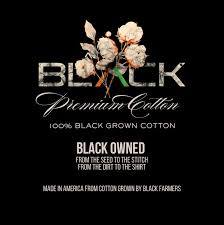
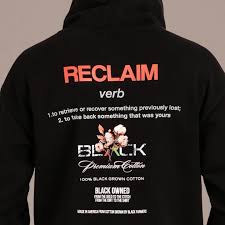
It is a brand that I have fallen in love with. They offer premium athleisure wear and sports apparel for men and women, including hoodies, t-shirts, and joggers. It is now my chosen brand for athletic wear. But, Actively Black’s mission transcends mere apparel sales; it is a movement dedicated to building Black wealth and fostering self-sufficiency. Beyond apparel, Actively Black is building a global community for the Black diaspora, connected by culture and a shared mission. They organize free events like mental health training camps and emphasize “giving back” as a core part of their purpose.

Lanny Smith’s vision, encapsulated in the powerful declaration, “We’re not asking for a seat at the table anymore. We are building our own table,” reflects a deep understanding of historical inequities and a resolute commitment to rectify them.
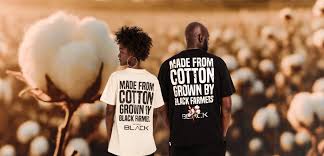
This ambition is most tangibly realized through their pioneering “100% Black Owned Supply Chain” initiative. By meticulously sourcing organic, premium cotton directly from Black-owned farms in the American South, Actively Black is deliberately redirecting economic flow. This is not just about ethical sourcing; it is about paying above-market rates to ensure fair compensation, support livable wages, and crucially, help Black farmers retain ownership of their land – a stark contrast to historical land dispossession.

The launch of Actively Black’s “HARVEST I” collection on Juneteenth perfectly encapsulates this revolutionary ethos. Juneteenth, a day commemorating emancipation, becomes a symbol of true economic liberation when the products celebrating it are literally grown, processed, and sold within the Black community. The cotton, once a symbol of immense suffering and forced labor, is now transformed into a vehicle for Black economic empowerment. This intentional alignment of product, purpose, and historical context imbues Actively Black’s offerings with a profound significance that resonates deeply with its customer base.
The significance of Actively Black’s supply chain model is amplified when viewed through the lens of American history. For over three centuries, the Black community has been systematically exploited for its labor, contributing immeasurable wealth to the nation’s economy without receiving commensurate benefits. The institution of slavery forced millions into unpaid labor, cultivating cash crops like cotton that fueled global industrialization and made enslaved people the single largest financial asset in the U.S. economy by 1860. Even after emancipation, systems like sharecropping perpetuated economic bondage, trapping Black farmers in cycles of inescapable debt through exploitative contracts and inflated prices. Discriminatory Jim Crow laws, redlining, and biased lending practices further entrenched racial wealth gaps, ensuring that Black entrepreneurs faced immense barriers to capital, land ownership, and market access.
The systemic disadvantages that are still faced by Black entrepreneurs are well-documented. A recent Brookings report highlights the stark underrepresentation of Black and Latino/Hispanic businesses in advanced manufacturing supply chains, citing pervasive challenges in accessing capital, credit, and fair sourcing opportunities. This report paints a clear picture of how racial wealth gaps, biased lending practices, and even overt discrimination from buyers continue to hinder Black business growth. In this challenging landscape, Actively Black’s proactive stance is not merely commendable but essential. By building its “own table,” the brand aims to create a blueprint for sustained economic circulation within the Black community, demonstrating that quality, mission, and profit can coexist.
Of course, pioneering such a distinct and mission-driven brand is not without its hurdles. Actively Black, like other Black-owned businesses, encounter criticisms ranging from accusations of “reverse discrimination” by those resistant to race-specific economic empowerment, to being labeled as “woke” in a polarized socio-political climate. Lanny Smith himself has recounted instances where his previous ventures faced racial bias from customers and investors. Furthermore, competing against established industry giants presents significant operational and market challenges, as evidenced by Actively Black’s candid discussions about larger competitors utilizing tactics like SEO keyword targeting.
However, these challenges only underscore the importance of Actively Black’s enduring mission. The brand is more than just an apparel company; it is a vital contributor to a broader movement for economic justice. By demonstrating the viability of a fully Black-owned supply chain and actively reinvesting its profits into community initiatives, Actively Black is not just selling clothing – it is cultivating a future where the Black community benefits directly and equitably from its labor, ingenuity, and cultural contributions. In doing so, Actively Black is not merely disrupting an industry; it is redefining the very meaning of enterprise as a tool for liberation.
Edward Odom

